Tiny Invertebrates, Global Consequences: The Booming International Ant Trade Raises Alarm
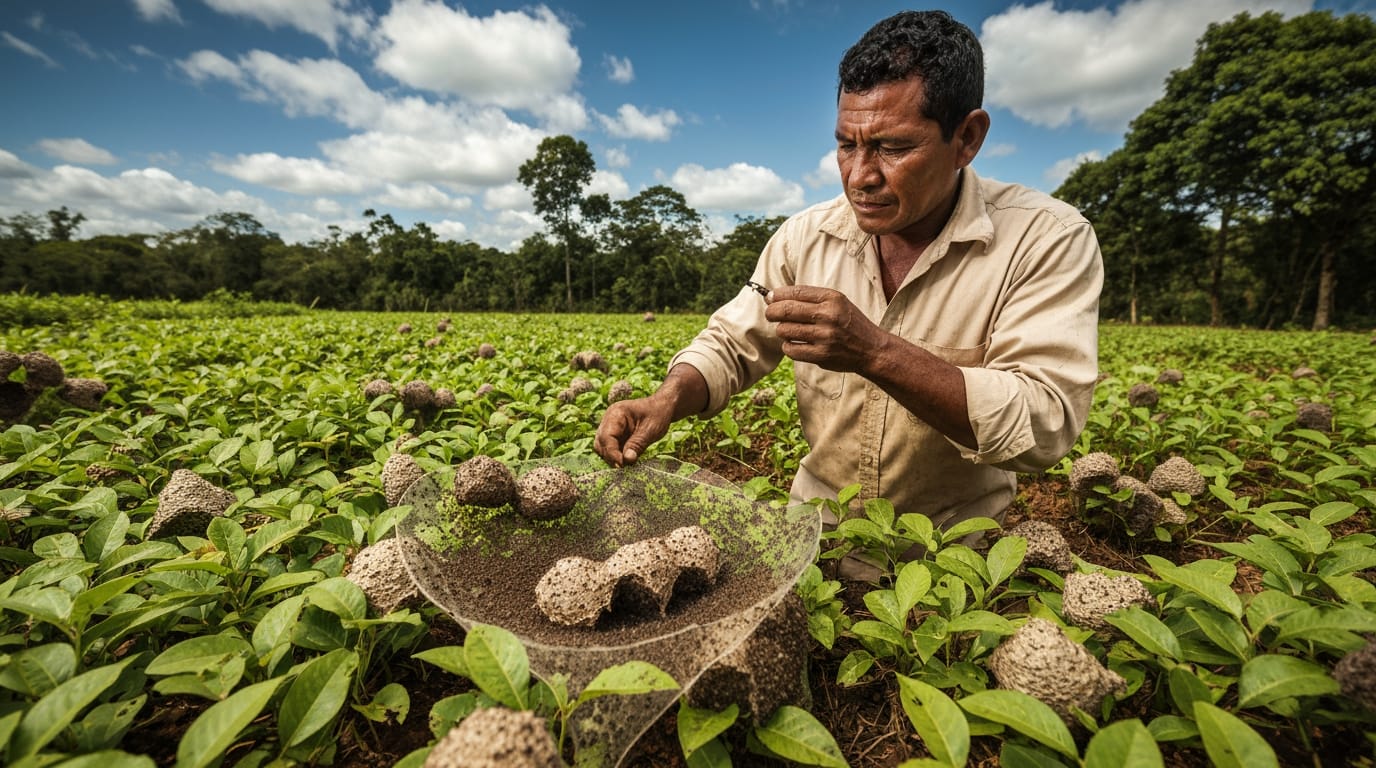
A quiet but lucrative global market for ants is flourishing, fueled by a growing fascination with these miniature engineers of the insect world. What began as a niche hobby has rapidly evolved into a multi-million dollar industry, posing significant and often overlooked threats to global biodiversity and agricultural stability. From online marketplaces to international smuggling routes, the trade in live ants, particularly queen ants, highlights a critical gap in wildlife regulation and biosecurity protocols worldwide.
The Allure of the Ant Colony
The burgeoning interest in ant-keeping, or myrmecology as a hobby, stems from a deep fascination with the complex social structures, intricate behaviors, and industrious nature of ant colonies. Enthusiasts are captivated by observing ants farm, build elaborate nests, and demonstrate remarkable teamwork within specialized habitats known as formicariums. For many, it offers a unique, low-maintenance connection to nature, even providing therapeutic benefits. This growing demand, particularly for rare or visually striking species, has transformed ants into highly sought-after pets. For instance, a single queen ant of the Giant African Harvester species (Messor cephalotes) can fetch between $220 and $315 in exotic pet markets in Europe, Asia, and North America, a price forty times higher than its local value in Kenya. Researchers estimate that just five ant species sold through a single online marketplace generate approximately $2.5 million annually, underscoring the significant profitability of this trade.
Pathways of Commerce: A Global Network
The global ant trade operates through a diverse network, primarily facilitated by online platforms and specialty vendors who ship live ants across continents. While some trade occurs through legitimate channels, a substantial portion functions with minimal oversight, enabling sellers to bypass monitoring and regulatory hurdles. The small size of these insects makes them particularly challenging to detect during inspections, often slipping past customs in small containers or test tubes, sometimes mislabeled to evade detection. This clandestine movement allows species to travel far beyond their native ranges, often with devastating consequences.
Recent high-profile incidents have brought the issue into sharper focus. In Kenya, authorities have intercepted several smuggling attempts, including cases where individuals were caught with thousands of queen ants destined for markets in Europe and Asia. These seizures illustrate a concerning trend in wildlife trafficking, shifting from iconic large mammals to "less conspicuous yet ecologically critical species".
Ecological Fallout: The Invasive Species Threat
The environmental implications of the unregulated ant trade are substantial and far-reaching. Ants play crucial roles in their native ecosystems, acting as seed dispersers, soil aerators, and vital food sources for other species. The removal of large numbers of ants from their natural habitats can disrupt these delicate ecological balances, leading to the slow loss of important natural processes that maintain ecosystem stability.
However, the most significant threat arises when non-native ant species are introduced into new environments. These invasive ants can displace native species through competition and predation, damage fragile ecosystems, and threaten local wildlife. The International Union for Conservation of Nature (IUCN) lists 19 ant species as global invasive threats, and a study revealed that 13 of these 19 worst invaders are actively sold in the ant trade.
Examples of devastation caused by invasive ants are numerous. Yellow crazy ants (Anoplolepis gracilipes) from Asia have decimated native red crab populations on Australia's Christmas Island. Little fire ants (Wasmannia auropunctata) from Central and South America cause an estimated $170 million in damages annually in Hawaii. The red imported fire ant (Solenopsis invicta), native to South America, has recently established colonies in Europe, posing a serious threat to agriculture and biodiversity. Beyond ecological harm, invasive ants can also inflict significant economic costs, damaging infrastructure, agricultural crops, and even presenting public health risks through venomous bites or stings.
Regulatory Lapses and Calls for Action
Despite the mounting evidence of environmental and economic risks, the global ant trade operates with significant regulatory gaps. In the United States, the movement of live ants across state lines and international borders is regulated by the USDA's Animal and Plant Health Inspection Service (APHIS), requiring permits for specific species and destinations. However, laws vary significantly by jurisdiction, with some states prohibiting ant imports entirely. International trade is generally heavily regulated and often prohibited without explicit permits from both exporting and importing countries.
A critical challenge is the lack of comprehensive international protection for ants. Currently, no ant species are listed under the Convention on International Trade in Endangered Species of Wild Fauna and Flora (CITES), the global wildlife trade treaty. This regulatory void means that many ant species lack any international trade protections, exposing them to overexploitation and increasing the risk of biological invasions. Conservationists are now advocating for all ant species to be listed under CITES Appendix II, which would allow commercial international trade with permits, thereby enabling better monitoring and management. However, achieving such a listing involves a lengthy bureaucratic process.
Without robust international frameworks, the trade remains largely "clandestine, unmonitored, [and] unchecked," often moving through informal online channels. Experts emphasize the urgent need for stricter regulations to prevent further environmental disasters and the expensive clean-up efforts associated with invasive species.
Conclusion
The booming global ant trade presents a compelling paradox: a captivating hobby for some, yet a grave biosecurity threat for ecosystems worldwide. While the fascination with these small creatures continues to drive demand, the ease with which ants can be trafficked across borders has amplified the risk of invasive species introductions, ecological disruption, and substantial economic losses. Addressing this complex issue requires a multi-faceted approach, including increased public awareness, stronger international cooperation, and comprehensive regulatory frameworks to manage the trade responsibly. Without concerted action, the allure of these tiny insects may continue to unleash disproportionately large and detrimental impacts on the planet's delicate natural balance.


