Trade Wars Erupt: China and Canada Retaliate Against New U.S. Tariffs
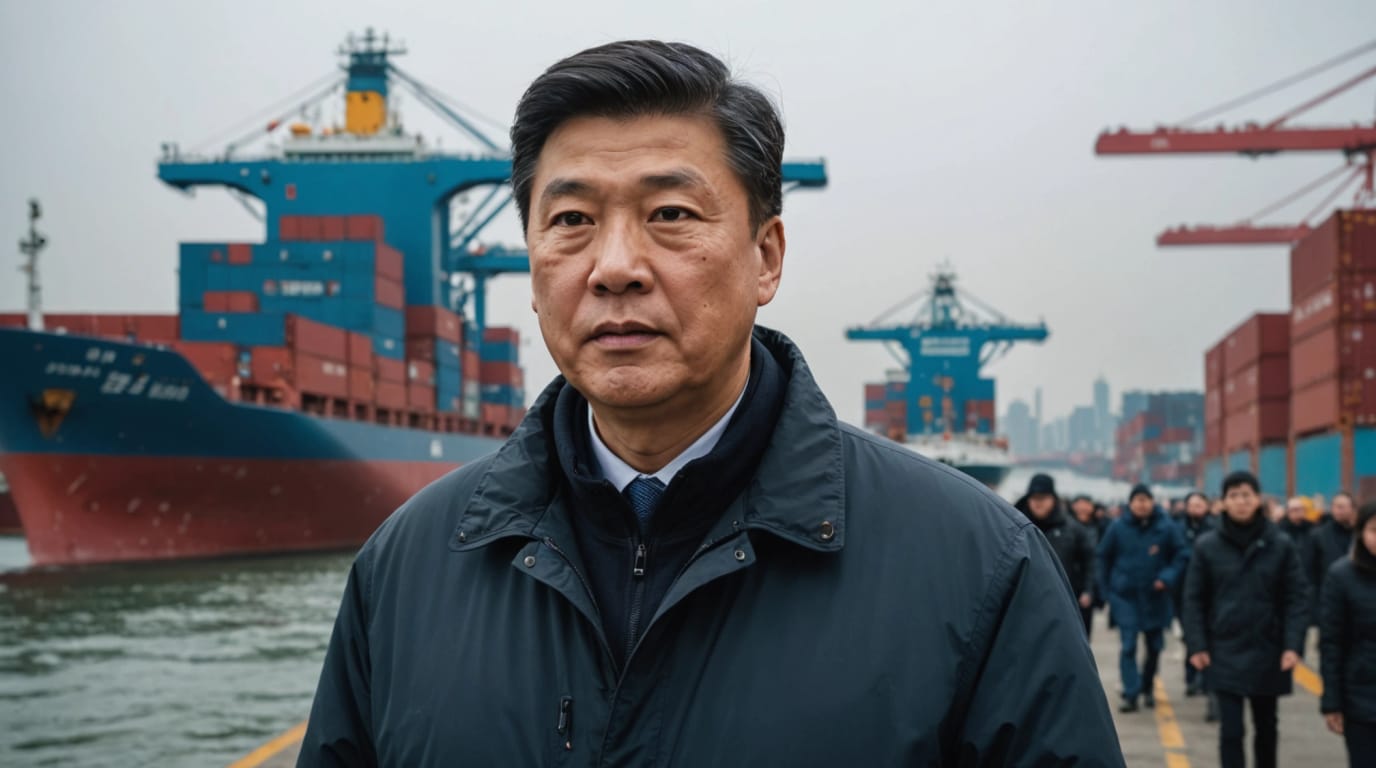
The global trade landscape shifted dramatically as new tariffs imposed by the United States on imports from Canada, Mexico, and China took effect, prompting immediate retaliatory measures from its key trading partners. The tariffs, enacted under President Donald Trump, have ignited fears of a full-scale trade war with potentially far-reaching economic consequences.
The new measures, which went into effect at 12:01 a.m. EST on March 4, 2025, include a 25% tariff on goods from Canada and Mexico, and a combined 20% tariff on Chinese exports to the U.S. This escalation follows an earlier 10% tariff imposed on Chinese goods last month. The Trump administration defends the tariffs as necessary to address the flow of illicit fentanyl and stem illegal immigration, arguing that these countries have not done enough to address these issues.
Canada's Swift Response
Canada has vowed immediate and decisive action in response to what Prime Minister Justin Trudeau has called an "unjustified decision." The Canadian government is implementing retaliatory tariffs on C$30 billion (approximately $20.75 billion USD) worth of U.S. goods, with plans to impose an additional C$125 billion (approximately $86.4 billion USD) in tariffs in the coming weeks, bringing the total to C$155 billion.
Foreign Minister Mélanie Joly described the U.S. tariffs as an "existential threat" to the Canadian economy, warning of potential job losses. The initial list of targeted U.S. goods includes a wide range of food products such as poultry, beef, fish, and yogurt, as well as textiles and furniture. Ontario Premier Doug Ford has even suggested cutting off energy exports to the U.S. in response, highlighting the severity of the situation.
China's Countermeasures
China has also reacted strongly, denouncing the U.S. move as "unilateralism and trade protectionism." The Chinese Foreign Ministry criticized the U.S. for using the fentanyl crisis as a political tool to pressure Beijing, warning that such actions could strain cooperation on drug control.
China is expected to target U.S. agricultural goods and food products with retaliatory tariffs. Reports suggest that tariffs of 10% to 15% will be imposed on select U.S. natural resources and machinery. China is also tightening trade measures by expanding export controls on critical minerals, adding two U.S. companies to its Unreliable Entity List, and launching an antitrust investigation into Google.
Economic Implications and Concerns
The imposition of these tariffs and the subsequent retaliatory measures have raised significant concerns about the potential economic fallout. Analysts warn that higher tariffs could disrupt supply chains, push up inflation, and dampen economic growth.
A report from the Anderson Economic Group (AEG) estimates that the tariffs could increase car costs in the U.S. by as much as $12,200 for some models. This could significantly impact U.S. car sales and place additional strain on consumers already struggling with inflation. The Tax Foundation estimates that the tariffs on Chinese goods would reduce long-run U.S. GDP by 0.1%, while tariffs on Canadian and Mexican goods would reduce GDP by 0.3%, before accounting for foreign retaliation.
Fentanyl at the Center of the Conflict
The U.S. government has repeatedly accused China of enabling the flow of illicit fentanyl into its borders, a charge Beijing vehemently denies. Fentanyl is a synthetic opioid that was responsible for over 72,000 deaths in the U.S. in 2023, according to the Centers for Disease Control and Prevention (CDC).
President Trump has cited the fentanyl crisis as a key justification for the tariffs, arguing that China and Mexico have not done enough to stop the flow of the drug and its precursor chemicals into the U.S. However, critics argue that using tariffs as a tool to address the fentanyl crisis is misguided and could harm legitimate trade relations.
Impact on Key Sectors
Several key sectors are expected to be heavily impacted by the trade war. The automotive industry faces higher costs and potential disruptions to supply chains. U.S. farmers could also suffer as China targets agricultural exports with retaliatory tariffs. The steel, pharmaceutical, and chemical industries are also at risk of higher U.S. tariffs.
The tariffs could also impact the energy sector, particularly in Canada, which is a major supplier of energy resources to the U.S. While energy resources from Canada will have a lower 10% tariff, the overall impact on the sector remains uncertain.
A Looming Trade War
The implementation of these tariffs marks a significant escalation in trade tensions between the U.S. and its major trading partners. The retaliatory measures from Canada and China suggest that neither country is willing to back down, raising the prospect of a prolonged and damaging trade war.
The U.S. relies on Canada, Mexico, and China for a significant portion of its imports and exports. In 2023, these three countries accounted for 43% of U.S. goods imports and 41% of U.S. exports. Disruptions to these trade relationships could have significant consequences for the U.S. economy.
Uncertain Future
The long-term consequences of this trade war are uncertain. While some manufacturers may be encouraged to set up factories in the U.S., the tariffs are also likely to strain diplomatic relationships and add costs for American consumers and manufacturers.
The situation remains fluid, and it is unclear whether negotiations between the U.S., Canada, and China can resolve the trade dispute. As the tariffs take effect and retaliatory measures are implemented, businesses and consumers on all sides will likely feel the impact. The coming weeks and months will be critical in determining the future of global trade relations.


