Tragedy Strikes South Carolina State University as Campus Shooting Leaves Two Dead
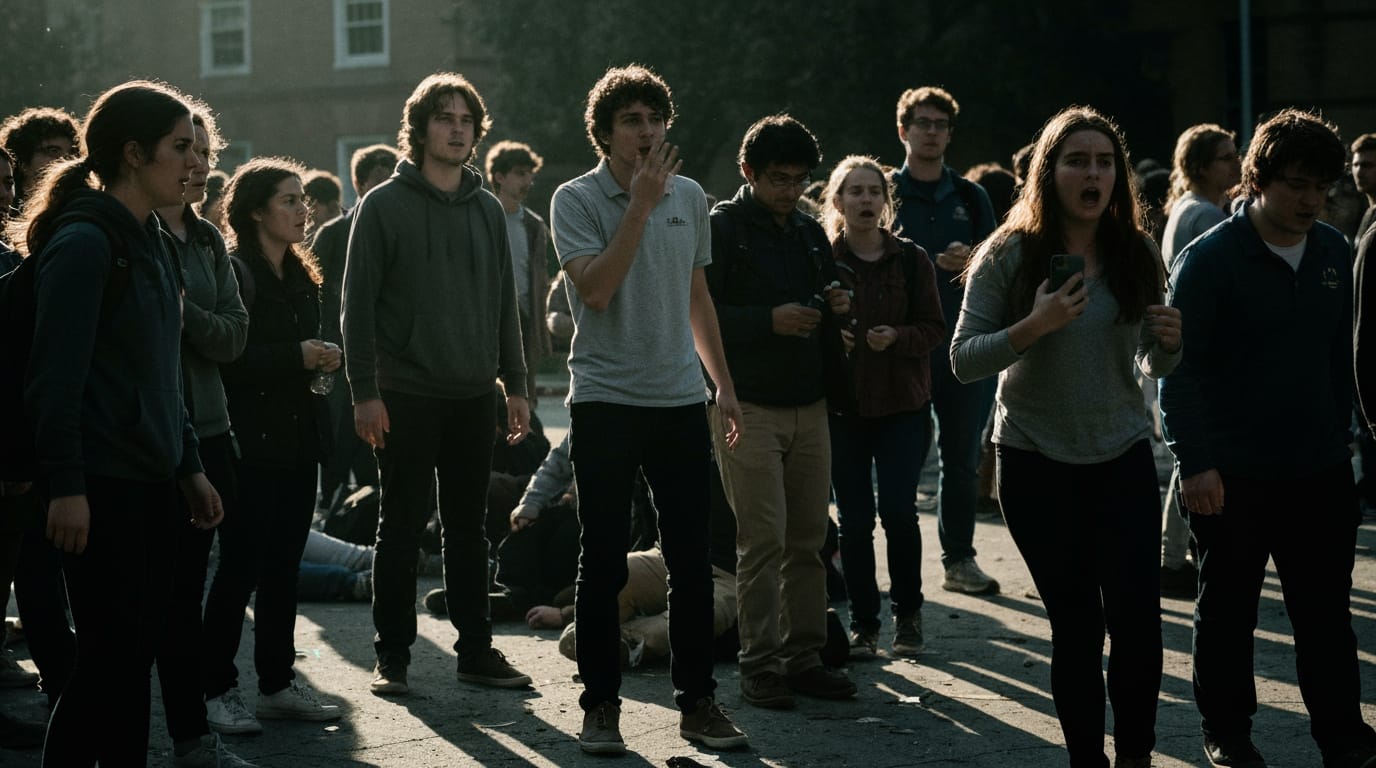
ORANGEBURG, S.C. – A devastating shooting at South Carolina State University (SCSU) on Thursday night left two individuals dead and another wounded, shattering the tranquility of the historically Black college and university (HBCU) campus. The incident, which prompted a campus-wide lockdown and a swift law enforcement response, sent shockwaves through the academic community and beyond.
The violent event unfolded at approximately 9:15 p.m. local time within the Hugine Suites student residential complex, a dormitory on the Orangeburg campus. University officials, in the immediate aftermath, confirmed the fatalities and injury but did not release the identities of the victims or the condition of the wounded person. As of early Friday, the search for any potential suspect or suspects remained ongoing, with no public information regarding their whereabouts.
Campus Gripped by Immediate Crisis
The first reports of gunfire triggered an immediate and comprehensive response from university authorities and local law enforcement. SCSU promptly initiated a campus lockdown, a critical safety measure that remained in effect for several hours as police secured the area and began their investigation. Investigators were quickly on the scene, working to piece together the events that led to the tragic loss of life, while law enforcement officers patrolled the campus and surrounding areas. The gravity of the situation was underscored by the university's decision to cancel all Friday classes, providing a necessary pause for the shaken community and allowing resources to be focused on the unfolding investigation and student support.
Investigation Underway
South Carolina State University officials have formally requested assistance from the South Carolina Law Enforcement Division (SLED) to aid in the investigation. This collaboration indicates the severity and complexity of the case, requiring specialized resources and expertise to identify those responsible and understand the motive behind the shooting. While specific details of the investigation remain under wraps as authorities diligently work, the focus is undoubtedly on collecting evidence, interviewing witnesses, and following leads that could bring clarity and justice to the victims and the university community. The lack of confirmed identities for the victims adds another layer of sorrow and urgency to the ongoing efforts, leaving families and friends to anxiously await official notifications.
A Community in Mourning and Seeking Answers
The incident has deeply impacted the SCSU family, a close-knit community characteristic of many HBCUs. Beyond the immediate shock and fear caused by the lockdown, the shooting leaves behind a profound sense of loss and uncertainty. The university has moved to provide crucial support services, making counselors available to students struggling to process the trauma and grief. This provision of mental health resources is vital in helping students, faculty, and staff cope with the emotional fallout of such a violent event. The shooting also raises broader questions about campus safety and security protocols, especially within residential complexes, and how universities can best protect their students from such unforeseen acts of violence. The Orangeburg community, intrinsically linked to SCSU, also grapples with the implications of the tragedy, reflecting on the safety of its young people and the broader societal issues that contribute to such violence.
Broader Implications for Campus Safety
This tragic event at SCSU serves as a stark reminder of the persistent challenges faced by educational institutions in ensuring the safety and well-being of their communities. While universities across the nation employ various security measures, including campus police forces, surveillance systems, and access controls, incidents like this underscore the vulnerabilities that can still exist. The balance between maintaining an open, accessible academic environment and implementing stringent security to prevent violence is a constant and complex dilemma for administrators. As the investigation progresses and more details emerge, the SCSU community, and indeed other universities, will undoubtedly review and potentially revise their security strategies in an effort to prevent future tragedies. The path forward for SCSU involves not only solving the crime but also healing collectively and reinforcing the bonds that define its historic legacy.


