Tragic Ferry Fire Off Madura Island Claims Five Lives, 41 Remain Missing
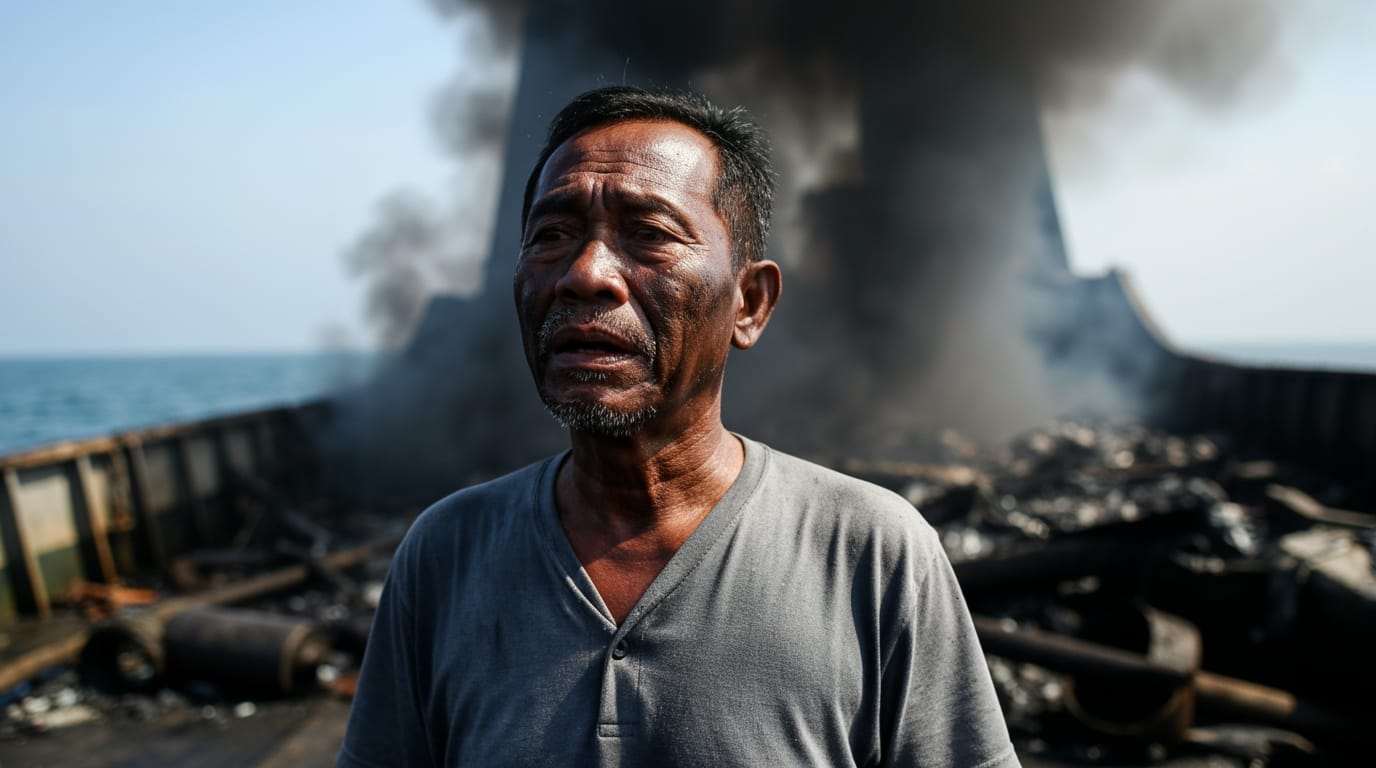
SURABAYA, Indonesia – A catastrophic fire engulfed an Indonesian passenger ferry off the coast of Madura Island on Sunday, August 2, 2026, leaving at least five people dead and 41 others unaccounted for. The KMP Mutiara Sentosa 2, carrying an estimated 271 passengers and crew, was en route from Surabaya to Makassar when the blaze erupted, triggering a desperate struggle for survival and prompting an extensive search and rescue operation in the Java Sea. The incident underscores the persistent challenges faced by Indonesia's vital but often perilous maritime transport system.
The ferry's captain reported the fire several hours into the voyage, off the northeastern coast of Java, near Madura Island. Communication with the vessel was lost shortly after the initial distress call, according to authorities. Footage released by local news outlets depicted harrowing scenes of flames and thick plumes of smoke billowing from the top of the vessel, with passengers, many clad in life jackets, awaiting evacuation.
The Inferno at Sea and Valiant Rescue Efforts
The KMP Mutiara Sentosa 2, which departed from Tanjung Perak Port in Surabaya, East Java, was reportedly almost entirely engulfed in flames. The precise cause of the fire remains unclear, and investigations are expected to commence once the immediate emergency has been managed.
In the immediate aftermath of the fire, nearby vessels swiftly diverted to assist in the rescue operation. Among those providing critical aid were the TB Hasnur 26 and the British Mentor, which helped evacuate passengers who had jumped from the burning ferry. Four vessels were reported to be alongside the ferry, actively participating in the rescue efforts. The regional Surabaya Search and Rescue Agency dispatched the rescue vessel SAR 249 Permadi to the scene, though it faced an estimated travel time of about six hours to reach the incident site.
Of the 271 individuals believed to be on board, 225 have been successfully rescued. However, the confirmed death toll of five and the significant number of missing persons highlight the severe impact of the disaster. Search and rescue operations are ongoing, with officials working tirelessly to locate the 41 individuals still unaccounted for. The National Search and Rescue Agency (Basarnas) confirmed the fatalities and missing figures as the efforts continued.
Indonesia's Enduring Maritime Safety Crisis
This latest tragedy casts a renewed spotlight on Indonesia's long-standing issues with maritime safety. As an archipelago nation comprising more than 17,000 islands, ferries are an indispensable mode of transport for millions of people and goods. However, the reliance on sea travel is often accompanied by a high incidence of accidents, frequently attributed to lax safety standards, overcrowding, and unpredictable weather conditions.
The country has witnessed a consistent pattern of maritime disasters, with experts and authorities regularly pointing to weak enforcement of safety regulations and insufficient oversight as primary contributing factors. While regulations exist, compliance is often uneven, particularly in remote regions, and aging ships with inadequate maintenance schedules further exacerbate the risks.
Historical data indicates that marine accidents are a regular occurrence. In July 2025, just over a year prior to this incident, a ferry fire off the coast of Sulawesi, involving the KM Barcelona 5, initially reported five deaths before being revised to three, with over 560 people rescued. Earlier the same month, a ferry sank near Bali, resulting in six deaths and 29 missing. These incidents are part of a broader trend; between 2018 and 2021, Indonesia recorded 1,634 maritime accidents, with capsizing and sinking accounting for nearly half of these events. Concerns about the adequacy of safety systems have been reinforced by more than 200 maritime incidents involving passenger vessels reported in 2023 alone.
Critics, including Siswanto Rusdi, director of the National Maritime Institute, have highlighted that many tourist boats and general passenger ferries often fail to meet safety standards, with crew members frequently uncertified. Rusdi emphasized that accountability is often lacking when accidents occur, perpetuating the cycle of incidents. Lawmakers, such as Lasarus, chair of the House of Representatives Commission V, have stressed the non-negotiable need for strict supervision of vessel seaworthiness and for operators to closely monitor weather forecasts.
The Human Cost and Lingering Questions
The current incident on the KMP Mutiara Sentosa 2 adds to the grim statistics, with families now facing an agonizing wait for news of their loved ones. The discrepancy between official manifests and the actual number of people on board ferries is also a recurring issue in Indonesia, complicating search and rescue efforts and potentially understating the true scale of disasters. While the KMP Mutiara Sentosa 2 was reported to have around 250-271 people on board, earlier reports on other incidents noted capacities often differ significantly from registered passenger numbers.
As rescue teams continue their desperate search, the maritime community and the Indonesian public are left grappling with profound questions regarding the systemic failures that allow such tragedies to recur. The fire serves as a poignant reminder that despite the critical role ferries play in daily life, the safety of passengers remains a pressing concern that demands immediate and sustained attention from authorities and operators alike.
Conclusion
The fire aboard the KMP Mutiara Sentosa 2 represents a significant maritime disaster for Indonesia, once again exposing the vulnerabilities within its essential ferry system. With five lives confirmed lost and dozens still missing, the incident is a stark reminder of the human cost when safety protocols are compromised or inadequately enforced. As search and rescue operations persist, the focus will inevitably shift toward a thorough investigation into the fire's origin and calls for more stringent measures to prevent future tragedies. The nation faces the ongoing challenge of balancing the critical need for inter-island transport with the paramount responsibility of ensuring the safety and security of all who travel its vast waterways.


