Transatlantic Tensions Mount: A Year of Trump Challenges German-US Alliance
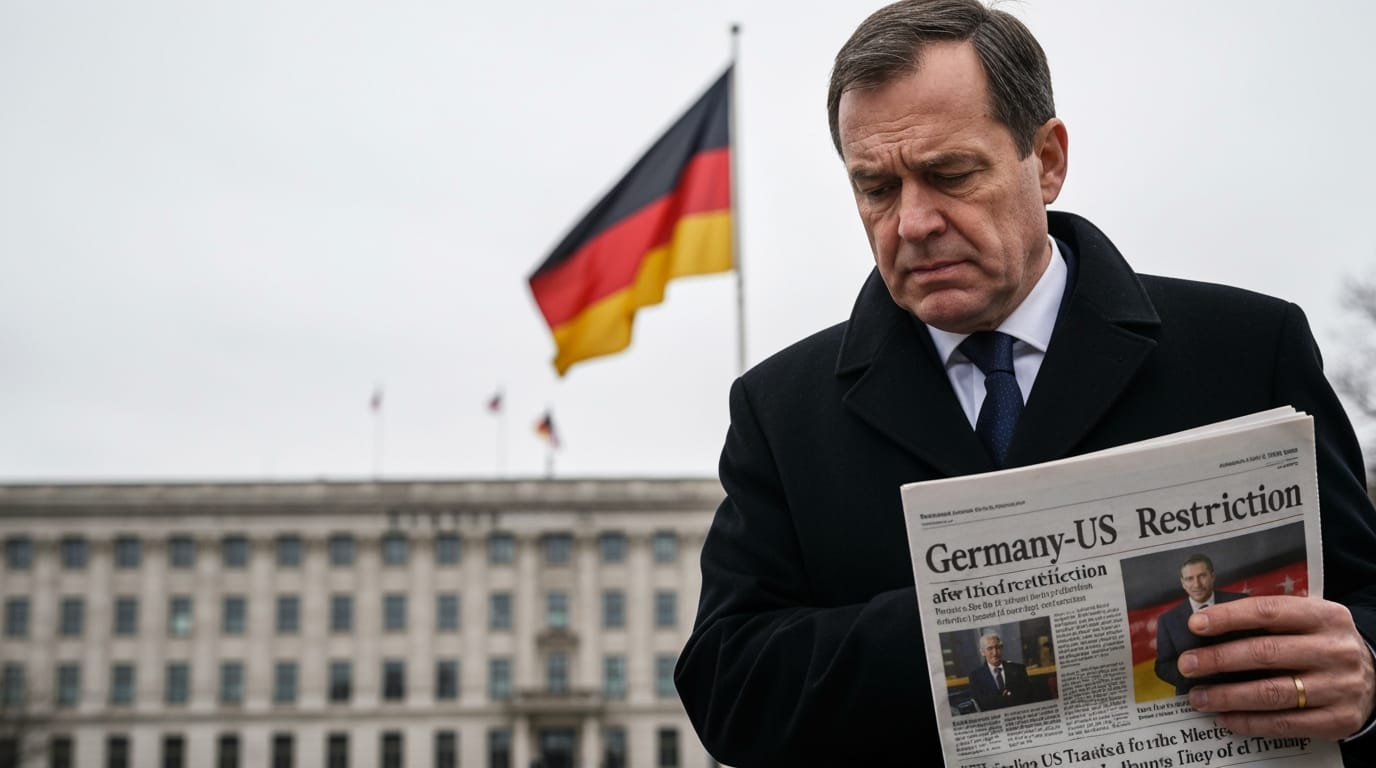
Washington and Berlin — A fundamental shift began to unfold in the bedrock transatlantic relationship between Germany and the United States during the first year of the Trump administration, introducing a new era of diplomatic strain and policy divergence. The "America First" foreign policy doctrine championed by the new U.S. leadership quickly challenged decades of established cooperation, particularly impacting the traditionally robust ties with Germany. This strategic reorientation, marked by escalating rhetoric and distinct policy choices across crucial areas like trade, defense, and climate change, compelled Germany to recalibrate its own global posture and deepen its commitment to European solidarity.
Reshaping Diplomatic Norms and Multilateralism
The election of Donald Trump marked a significant turning point in Germany-US relations, moving away from the close partnership that characterized previous administrations. The new U.S. approach, often described as a partial retreat from international agreements and a skepticism towards post-World War II institutions such as NATO and the European Union, clashed directly with Germany's foreign policy model, which is grounded in multilateralism and diplomatic conflict resolution. German policymakers initially debated the extent to which the U.S. administration's assertive stance would genuinely affect day-to-day alliance operations. However, the initial months saw perceived assaults on the three pillars of the bilateral relationship: trade, security, and shared values. This period fostered a growing German sentiment that Europe would need to protect its interests against what were seen as potentially harmful U.S. policies, requiring Germany to exhibit leadership within the European Union without the accustomed U.S. support.
Economic Friction: Trade Imbalances and Tariff Threats
Economic policy emerged as a significant point of contention, primarily centered on trade imbalances. The U.S. maintained a substantial trade deficit in goods with Germany, which reached $64.1 billion in 2017, constituting nearly two-thirds of the total U.S. deficit with the European Union. The U.S. administration frequently criticized Germany for this surplus and for what it perceived as an undervalued euro, claiming it provided an unfair trade advantage.
The U.S. administration threatened to impose tariffs on imported steel, aluminum, and automobiles, actions that particularly concerned Germany, whose economy is heavily reliant on exports, with those to the U.S. accounting for approximately 4% of its Gross Domestic Product. While the full implementation of widespread tariffs on steel and aluminum from the EU, Canada, and Mexico occurred in June 2018, these measures were actively debated and threatened throughout Trump's first year, creating significant uncertainty and prompting retaliatory considerations from the EU. The prospect of tariffs on European cars, in particular, represented a major threat to Germany's crucial automotive industry.
Defense Spending and NATO: Calls for Greater Burden Sharing
Another major area of discord involved defense spending within NATO. The U.S. administration consistently pressured Germany and other NATO allies to meet the alliance's target of spending 2% of GDP on defense. In 2017, Germany's defense spending stood at approximately 1.2% of its GDP, a figure that drew sharp criticism from Washington. U.S. leaders frequently labeled Germany as "delinquent" in its contributions and questioned the rationale behind U.S. protection of Germany when the European nation was simultaneously engaging in significant energy deals with Russia.
A notable flashpoint was the Nord Stream 2 pipeline project, designed to transport natural gas from Russia directly to Germany. The U.S. viewed this project as increasing Germany's energy dependence on Russia, with the U.S. president suggesting Germany was "totally controlled" and "captive to Russia" because of it. German officials, including Chancellor Angela Merkel, defended their contributions to NATO and highlighted Germany's role as the second-largest provider of troops for the alliance and its engagement in Afghanistan. However, the U.S. continued to emphasize its desire for greater burden-sharing, leading to increased pressure on Germany to boost its military expenditures.
Climate Policy: Divergent Paths on Global Action
The Trump administration's stance on climate change represented a stark departure from Germany's established environmental policies and international commitments. In June 2017, the U.S. announced its intention to withdraw from the 2015 Paris Agreement on climate change, a move widely regretted by Germany and the international community. German ministers voiced their disappointment, noting that while the withdrawal was not surprising given previous statements, it was regrettable.
This unilateral decision by the U.S., the world's second-largest emitter of CO2 at the time, cast a shadow over global climate efforts. Germany, in its role as host of the G20 summit in Hamburg in 2017, reportedly diluted a draft climate action plan to accommodate U.S. demands, weakening language on ambitious climate goals and even defining natural gas and certain fossil fuels as "clean technologies" in an attempt to appease the Trump administration. This effort underscored the depth of the policy chasm between the two nations on environmental issues. The U.S. withdrawal also had implications for international climate finance, with anticipated shortfalls in funding for initiatives like the Green Climate Fund.
Implications for the Transatlantic Alliance
The cumulative effect of these tensions during the first year of the Trump presidency significantly impacted the perception of the transatlantic alliance. German policymakers were left grappling with a partner whose actions and rhetoric frequently contradicted long-held diplomatic norms and shared values. The experience underscored for Europeans the necessity of developing their own military capabilities and strengthening the Common Security and Defence Policy. While Germany has historically been wary of pursuing complete autonomy in defense, the strain highlighted the need for a more self-reliant European security posture.
The challenges posed by the U.S. administration’s "America First" policy prompted Germany to more actively champion European unity and multilateral solutions on the global stage. The period saw Germany pivot towards reinforcing European structures and seeking common ground within the EU to collectively address the shifts in U.S. foreign policy, potentially laying the groundwork for a more independent European foreign and security policy in the years to come. The foundational pillars of the U.S.-German relationship—trade, security, and shared values—experienced a brutal, multipronged assault, signaling a profound reevaluation of the alliance's future.


