Trial of Ukrainian Suspect in Nord Stream Sabotage Opens in Germany
The criminal proceeding marks the first trial over the 2022 explosions that severed undersea Russian natural gas routes to Germany during the war in Ukraine.
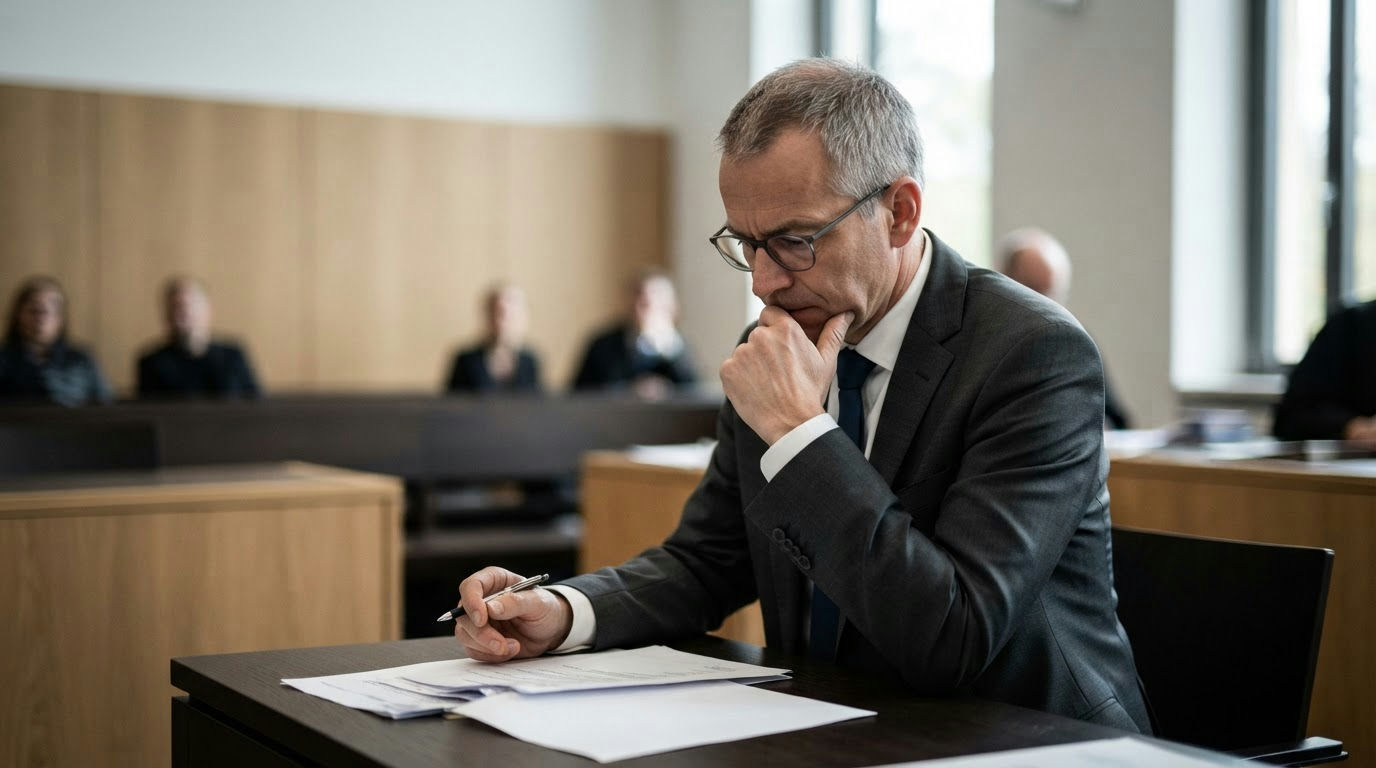
The criminal trial of Serhii Kuznietsov opened Wednesday, Oct. 14, 2026, at the Hanseatic Higher Regional Court in Hamburg, Germany. Kuznietsov is the first suspect to stand trial over the September 2022 undersea sabotage of the Nord Stream gas pipelines.
The 50-year-old former Ukrainian military officer listened to proceedings through Ukrainian translation and declined to address the court. Defense lawyers Nicola Canestrini and Jes Meyer-Lohkamp moved to dismiss all charges during the opening hearing, which lasted about two hours.
Federal prosecutors charged Kuznietsov with causing an explosion, damaging property, disrupting public services and acting as an accomplice to a war crime. Court filings in Germany identify him as Serhii K. in accordance with privacy regulations.
Prosecutors allege Kuznietsov commanded the chartered 50-foot yacht Andromeda and led a seven-person cell including divers, an explosives specialist and a skipper. Investigators said the yacht departed from the port of Rostock with forged documents to plant four timed bombs near Denmark's Bornholm Island.
The explosives weighed between 14 and 27 kilograms, or roughly 31 to 62 pounds, and were placed at depths of 70 to 80 meters. Prosecutors stated the suspects acted for Ukrainian state agencies to cut Russian pipeline gas to Germany and eliminate export revenue funding Russia's military.
Ukrainian President Volodymyr Zelenskyy and his government previously denied state involvement in the attacks, and Kuznietsov maintained his innocence through counsel. His legal team argued that war crime prosecutions should instead focus on documented Russian atrocities, including civilian killings in Bucha and child deportations.
Meyer-Lohkamp argued for dismissal because Ukrainian military secrecy rules prevent Kuznietsov from testifying without superior approval. The lawyer said German law bars convicting a defendant who cannot testify.
Canestrini argued the war crime charge is invalid because the pipeline served as an economic weapon and a military objective rather than civilian infrastructure. The defense added that investigators found no fingerprints from Kuznietsov on the yacht and produced no eyewitnesses placing him aboard.
Italian authorities arrested Kuznietsov in August 2025 near Rimini on a European warrant, and Italy extradited him to Germany in November 2025. Denmark and Sweden closed independent investigations in early 2024 without charges, leaving German federal prosecutors to lead the probe.
The Hamburg court must rule on the dismissal motion and determine whether the pipelines constituted protected civilian property under international humanitarian law. Hearings are scheduled to conclude around February 2027, while the transfer of another Ukrainian suspect, Volodymyr Zhuravlyov, remains pending execution in Croatia.