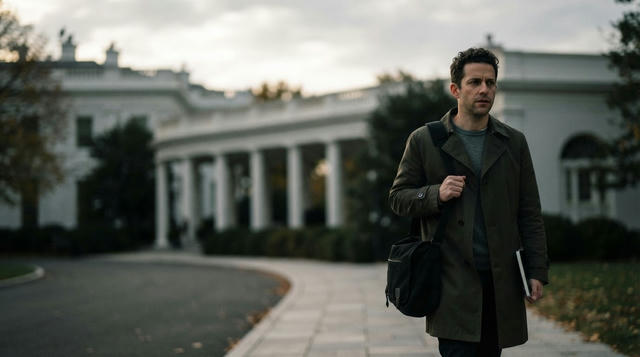
Trump Creates Super Intelligence Force Led by Intelligence Chief Jay Clayton
The panel will evaluate emerging technology risks and shape federal policy to maintain American dominance against foreign competitors.

President Donald Trump announced the creation of a federal artificial intelligence task force called the Super Intelligence Force on Sunday, Oct. 4, 2026. Trump named Director of National Intelligence Jay Clayton to lead the panel while retaining his intelligence post, making him the administration's primary artificial intelligence official.
The task force will evaluate the risks and opportunities of advanced artificial intelligence and define the federal government's oversight role. The panel reports directly to Trump and White House Chief of Staff Susie Wiles.
Leadership includes three vice chairs: Federal Trade Commission Chairman Andrew Ferguson, Pentagon Chief Technology Officer Emil Michael, and Office of Personnel Management Director Scott Kupor. Vice President JD Vance, Defense Secretary Pete Hegseth, and Treasury Secretary Scott Bessent will also participate.
Outside advisers include venture capitalist David Sacks and former Secretary of State Condoleezza Rice. The panel must coordinate with industry developers, consumer advocates, religious groups, and infrastructure operators. It will also review how federal agencies receive alerts about system breaches, hacks, and jailbreaks without creating rules that hinder domestic innovation.
Trump said on Truth Social that the initiative will ensure the United States leads in artificial intelligence development. Clayton told The Wall Street Journal that falling behind foreign adversaries poses high risks. He said the risk framework used by financial regulators could serve as a model for federal oversight.
Michael told GovCIO Media that he aims to ensure the technology directly serves the public.
The announcement follows executive actions on artificial intelligence taken earlier in 2026. On Sept. 29, 2026, Trump signed an executive order directing federal agencies to use the term super intelligence in official records. That day, top technology executives agreed to voluntary safety measures, including self-policing and third-party audits.
Trump called that industry agreement morally binding but not legally enforceable. Sacks previously served as the administration's artificial intelligence leader until stepping down in March 2026 after reaching statutory time limits. In June 2026, Trump created a voluntary pre-release review framework for new models.
The Super Intelligence Force has 120 days to complete its research and present a comprehensive report on risks, opportunities, and policy options. Administration officials may extend the operational term after four months or permanently transfer its duties to an existing federal agency.