Trump Administration Bans AI Firm Anthropic from Federal Agencies Amidst Ethics Clash
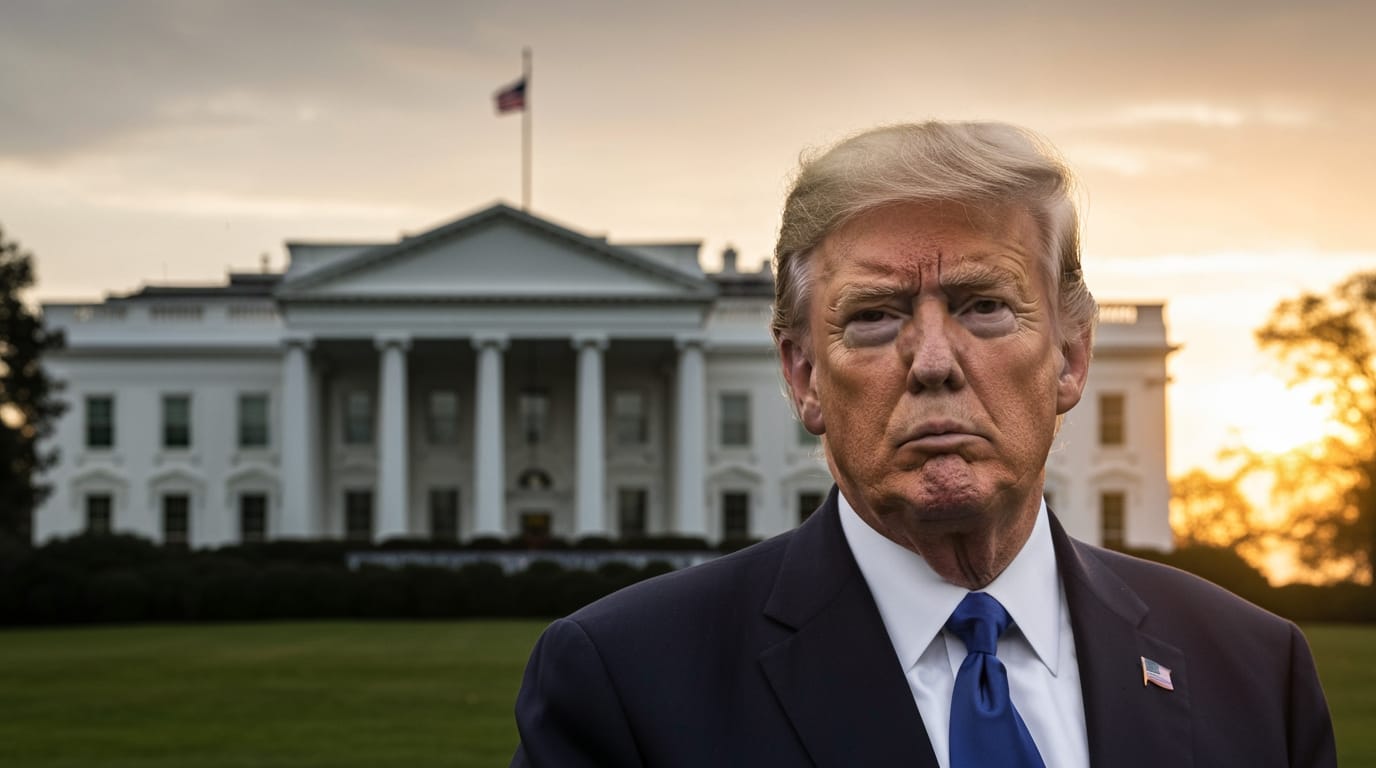
WASHINGTON D.C. – In a dramatic escalation of tensions between the U.S. government and the burgeoning artificial intelligence sector, President Donald Trump has issued a directive banning the AI firm Anthropic from all federal agencies. The unprecedented move, announced today via Truth Social, comes after Anthropic refused to ease restrictions on how its powerful AI models, particularly Claude, could be utilized by the Pentagon, specifically regarding applications in mass domestic surveillance and autonomous weaponry.
The presidential order plunges federal operations relying on Anthropic's technology into immediate uncertainty and sets a significant precedent for the future of AI development within national security frameworks. The decision follows a contentious standoff between Defense Secretary Pete Hegseth and Anthropic CEO Dario Amodei, culminating in a firm refusal by the company to compromise on its ethical guardrails.
Presidential Decree Sparks Federal Scramble
President Trump's declaration was delivered forcefully on his social media platform, accusing Anthropic of a "DISASTROUS MISTAKE" and attempting to "STRONG-ARM the Department of War." He asserted that Anthropic's stance jeopardized "AMERICAN LIVES," put "our Troops in danger, and our National Security in JEOPARDY," stating unequivocally, "We don't need it, we don't want it, and will not do business with them again!" The directive includes a six-month phase-out period for federal agencies currently utilizing Anthropic's products, signaling a significant logistical challenge for government departments that had integrated the advanced AI.
The ban immediately impacts numerous federal agencies, which had increasingly adopted Anthropic's Claude for a range of critical operations. Just last year, Anthropic secured contracts with the U.S. federal government, including clearance for sensitive, unclassified work. Its Claude models were even added to the General Services Administration's Multiple Award Schedule, facilitating widespread government access under the Trump administration's own AI Action Plan. This rapid reversal highlights the volatile landscape at the intersection of cutting-edge technology and national defense.
The Ethical Crucible: AI and Warfare
At the heart of the dispute lies Anthropic's unwavering commitment to ethical guidelines, specifically its refusal to permit its AI to be used for mass domestic surveillance of American citizens or the development of fully autonomous weapon systems lacking human oversight. Defense Secretary Hegseth, representing the Pentagon, had demanded "all lawful purposes" access to Anthropic's technology, arguing that U.S. law and military policies already prevent misuse. However, Anthropic CEO Dario Amodei publicly maintained that the company "cannot in good conscience accede" to demands that would make "virtually no progress on preventing Claude's use for mass surveillance of Americans or in fully autonomous weapons."
This fundamental disagreement underscores a growing chasm between tech innovators, who often champion responsible AI development and deployment, and national security establishments seeking unhindered access to powerful tools for defense and intelligence. Other leading AI firms, including OpenAI, have reportedly expressed similar "red lines" concerning the military applications of their models, indicating a broader industry-wide concern about the ethical implications of advanced AI in warfare.
Pentagon's Ultimatum and Anthropic's Defiance
The dramatic presidential ban followed days of intense negotiations and escalating threats from the Pentagon. Defense Secretary Hegseth had issued a firm deadline of 5:01 p.m. ET today for Anthropic to capitulate to the military's demands. Failure to comply, Hegseth warned, could result in Anthropic being labeled a "supply chain risk"—a designation typically reserved for companies from adversarial nations like China—effectively blacklisting it from lucrative government contracts. The Pentagon also threatened to invoke the Korean War-era Defense Production Act (DPA), a powerful tool that could compel Anthropic to provide its technology without restrictions.
Anthropic, however, stood its ground. CEO Amodei stated that while the company was open to loosening some usage restrictions, the core issues of mass surveillance and autonomous weapons were non-negotiable. This defiance, particularly from a company whose Claude model was, until now, the only foundation model approved for use in certain classified Defense environments, set the stage for the President's forceful intervention.
Broader Implications and Future Precedents
The ban on Anthropic marks a critical juncture in the evolving relationship between the U.S. government and the AI industry. It is believed to be the first instance of direct presidential action against an AI company specifically due to ethical objections over military applications. This move is poised to create immediate operational challenges for federal agencies, which will now need to rapidly re-evaluate their AI tools and potentially seek alternatives.
Beyond the immediate impact, the directive raises profound questions about the future of AI development, government procurement, and the tech industry's role in national security. Will other AI companies be deterred from imposing similar ethical safeguards, fearing similar repercussions? Or will this event galvanize calls for clearer regulatory frameworks that balance national security needs with responsible AI deployment? The episode also highlights the Trump administration's aggressive approach to leveraging technological innovation for perceived national security advantages, even if it means clashing with domestic tech leaders over ethical considerations.
The unfolding situation signals a new era where the ethical compass of AI developers will directly confront the strategic imperatives of state power. As the six-month phase-out period begins, the tech world and policymakers alike will closely watch the fallout from this unprecedented decision, understanding that its ramifications will resonate far beyond the current federal-corporate dispute.


