Trump Administration Cuts Deep Into Voice of America, Radio Free Europe
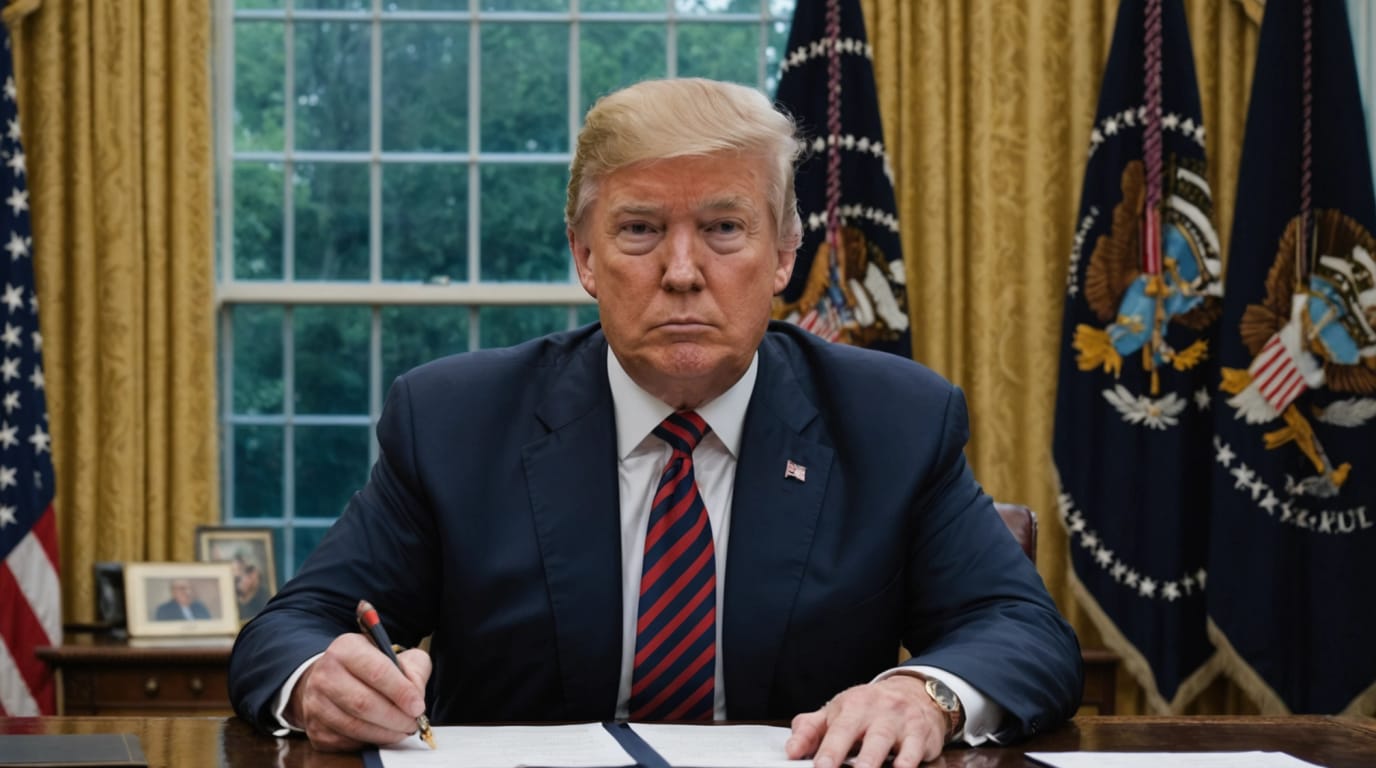
In a move signaling a further reshaping of the federal government, the Trump administration initiated significant cuts to the Voice of America (VOA), Radio Free Europe/Radio Liberty (RFE/RL), and other U.S.-funded media organizations. The actions, which began Saturday, come in the wake of an executive order signed late Friday directing agencies to reduce their functions to the bare minimum required by law. The order is the latest in a series of steps taken by the administration to reduce the size and scope of the federal government, a key promise of President Trump.
Executive Order Triggers Immediate Action
The executive order signed by President Trump targets seven federal agencies, including the U.S. Agency for Global Media (USAGM), the parent organization of VOA, RFE/RL, and other international broadcasting networks. The order instructs the heads of these agencies to submit reports within seven days outlining which components or functions are legally required and to what extent those functions can be minimized.
Shortly after the order was signed, notices were sent to VOA staff placing them on paid administrative leave. Kari Lake, a former news anchor and political candidate recently appointed as a senior advisor to USAGM, posted on X, formerly Twitter, advising employees to check their email. Grants to Radio Free Asia and other programs run by USAGM were also terminated.
Impact on Global Media Outreach
The cuts are expected to have a significant impact on the reach and operations of these media organizations, which broadcast news and information to millions of people in multiple languages around the world. VOA transmits United States domestic news into other countries, often translated into local languages. RFE/RL and Radio Free Asia beam news into countries with authoritarian regimes, such as China, North Korea, and Russia. Combined, the networks reach an estimated 427 million people weekly.
USAGM, with a budget of approximately $270 million, provides funding to media outlets that broadcast in 49 languages. Supporters of these networks say they are vital tools for combating disinformation and promoting democracy in countries where access to free and independent media is restricted. Critics, however, have accused the networks of bias and mismanagement.
Controversy and Pushback
The Trump administration has long been critical of VOA and other USAGM-funded media outlets, with the president calling their reporting "disgraceful" during his first term. The appointment of Kari Lake, a staunch Trump loyalist, as a senior advisor to USAGM has further fueled concerns about political interference in the agency's operations.
The move has drawn condemnation from press freedom advocates, who argue that the cuts undermine the U.S.'s historic role as a defender of free information. The Committee to Protect Journalists urged congressional leaders to protect USAGM from Trump's order, calling it "outrageous that the White House is seeking to gut the Congress-funded agency supporting independent journalism that challenges narratives of authoritarian regimes around the world."
Some observers suggest the executive order may face legal challenges, as USAGM was established by a congressional charter, potentially limiting the president's authority to dismantle it through executive action.
Broader Implications for Federal Agencies
The cuts at USAGM are part of a broader effort by the Trump administration to reduce the size and scope of the federal government. The executive order also targets agencies dealing with issues such as homelessness, labor disputes, community development, libraries and museums.
Other agencies affected by the order include the Federal Mediation and Conciliation Service, the Institute of Museum and Library Services, the United States Interagency Council on Homelessness, the Community Development Financial Institutions Fund, the Minority Business Development Agency, and the Woodrow Wilson International Center for Scholars.
The order instructs the agencies to eliminate functions that are not legally required and to reduce operations to the minimum level needed to comply with the law. This has led to concerns that important services and programs could be undermined, particularly those related to international media, community support, and cultural preservation.
Uncertainty and Future Outlook
The full extent of the cuts and their long-term impact on VOA, RFE/RL, and other affected agencies remains uncertain. The agencies have been given seven days to submit reports outlining their compliance with the executive order, after which the Office of Management and Budget will review the findings and determine the next steps.
The administration's actions have sparked a debate about the role of government-funded media in promoting U.S. interests and values abroad, as well as the appropriate level of government spending on these activities. The outcome of this debate will likely shape the future of VOA, RFE/RL, and other international broadcasting networks for years to come.
The situation remains fluid, with potential legal challenges and congressional action that could alter the course of the administration's plans. The coming weeks will be critical in determining the fate of these agencies and their ability to continue their mission of providing news and information to audiences around the world.


