Trump Administration Freezes $2.2 Billion in Funding to Harvard Amidst Anti-Semitism Dispute
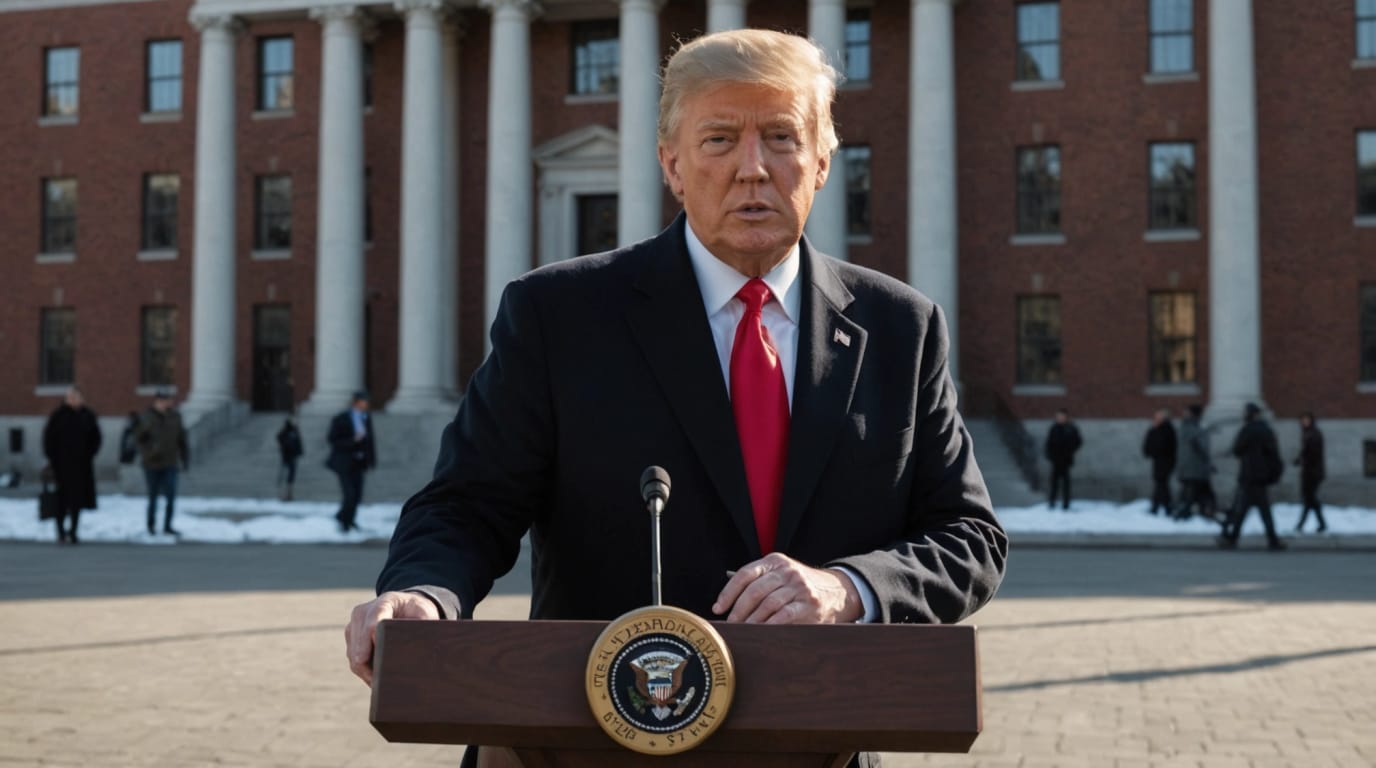
The Trump administration has frozen $2.2 billion in grants and $60 million in contracts to Harvard University after the Ivy League institution refused to comply with a series of demands related to combating alleged anti-Semitism on campus. The move comes amidst heightened tensions between the White House and several universities over the handling of pro-Palestinian protests and accusations of fostering anti-Semitic environments.
Harvard University announced Monday that it would not accept the conditions proposed by the Trump administration for continued federal funding, asserting that the university would not compromise its independence or constitutional rights. The administration swiftly responded with the funding freeze, escalating the conflict and raising concerns about the future of research and academic programs at Harvard.
Demands and Defiance
The Trump administration's demands, outlined in a letter to Harvard on April 11, included sweeping reforms to the university's governance, admissions, and hiring processes. The administration called for an immediate halt to diversity, equity, and inclusion (DEI) policies, an audit of "viewpoint diversity" among students and faculty, and "meaningful discipline" for students who violated school policies during pro-Palestinian protests. The demands also included a ban on face masks, seemingly targeting protesters, and a requirement that Harvard institute what it calls “merit-based” admissions and hiring policies.
Harvard's legal team responded that the university would not surrender its independence or relinquish its constitutional rights by agreeing to the administration's terms. University President Alan Garber affirmed Harvard's commitment to combating anti-Semitism but emphasized the importance of maintaining academic freedom and institutional autonomy.
Anti-Semitism Concerns
The Trump administration's actions are rooted in concerns about alleged anti-Semitism on college campuses, particularly in the wake of protests related to the Israeli-Palestinian conflict. The Education Department is currently investigating several universities, including Harvard, for their handling of anti-Semitic incidents.
The White House has accused Ivy League institutions of allowing anti-Semitism to fester on campus grounds. The administration's task force on combating anti-Semitism stated that Harvard's refusal to comply with the demands reinforced a "troubling entitlement mindset" among elite universities, suggesting that they believe federal funding does not come with the responsibility to uphold civil rights laws.
Impact on Harvard
The freeze on federal funding poses a significant financial challenge for Harvard University. In 2024, the university received $686 million from the federal government, making it the largest source of support for research. The loss of $2.2 billion in multi-year grants and $60 million in contracts could impact a wide range of academic and research programs.
Harvard had already announced a hiring freeze in March, citing "substantial financial uncertainties driven by rapidly shifting federal policies." The funding freeze is likely to exacerbate these uncertainties and could lead to further cost-cutting measures.
Broader Implications
The Trump administration's actions against Harvard are part of a broader effort to exert greater control over universities and address concerns about political bias and anti-Semitism on campus. The administration has also targeted other institutions, including Columbia University, which initially had $400 million in federal funds withheld before the school announced new policies including banning masks concealing someone's identity and hiring 36 campus officers "who will have the ability to remove individuals from campus and/or arrest them when appropriate."
Critics of the administration's actions argue that they represent an overreach of federal power and an infringement on academic freedom. They contend that the demands placed on Harvard are overly broad and could stifle intellectual discourse and diversity of thought.
Future Uncertain
The future of the dispute between the Trump administration and Harvard University remains uncertain. It is unclear whether the administration will be willing to negotiate with the university or whether Harvard will reconsider its position. The outcome of the conflict could have significant implications for the relationship between the federal government and universities, as well as for the future of academic freedom and research funding.
The situation underscores the growing tensions surrounding issues of free speech, academic freedom, and political activism on college campuses. As universities grapple with these challenges, they face increasing scrutiny from both the government and the public. The Harvard case serves as a stark reminder of the potential consequences of these conflicts and the importance of finding common ground to ensure a vibrant and inclusive academic environment.


