Trump Administration Pauses Intelligence Sharing with Ukraine, Citing Need for "Peace Talks"
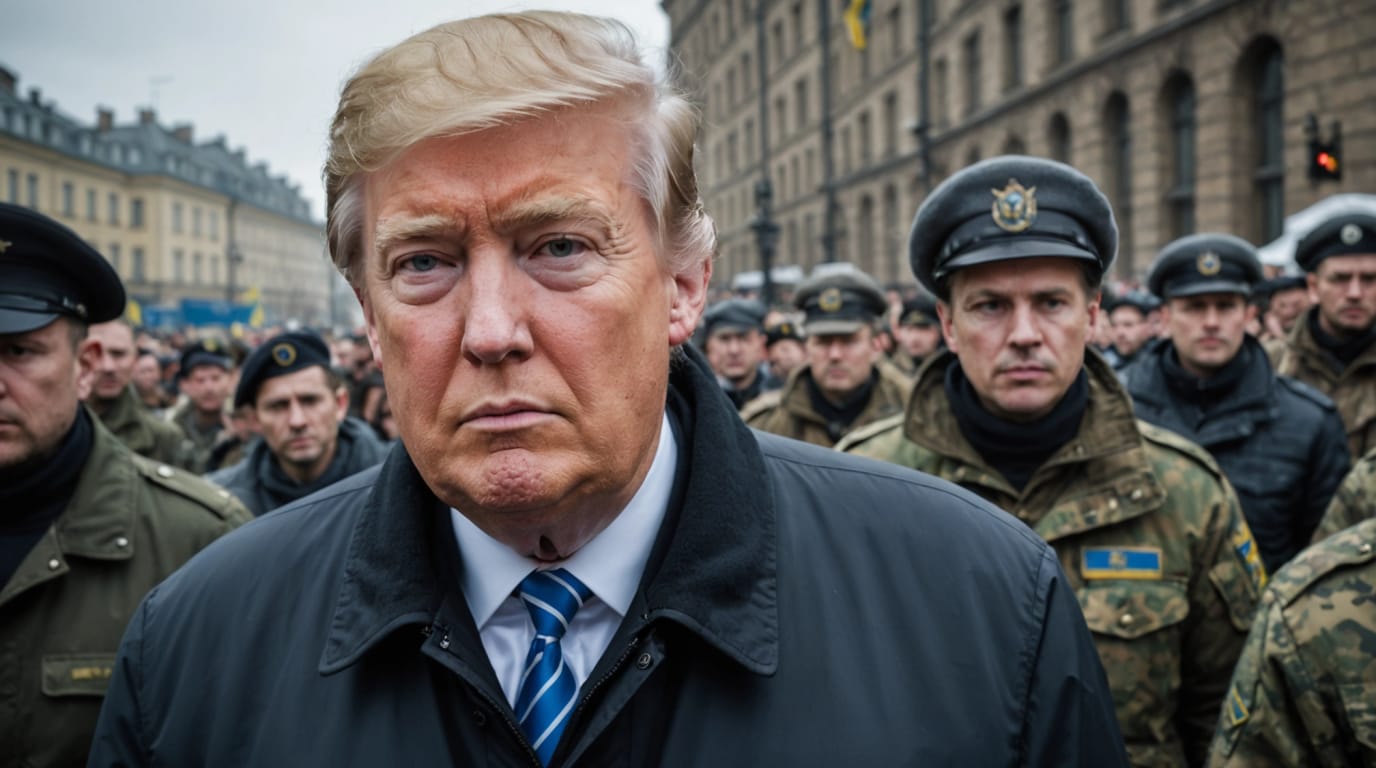
The Trump administration has halted the sharing of U.S. intelligence with Ukraine, a move that has sparked dismay among European leaders and criticism from Democrats in Washington. The decision, confirmed Wednesday by administration officials, cuts off a vital flow of information that has been instrumental in Ukraine's defense against Russian aggression since the full-scale invasion in 2022. The White House maintains the pause is temporary, intended to encourage Kyiv to engage in peace negotiations with Moscow.
A Critical Lifeline Severed
For the past three years, U.S. intelligence has provided Ukraine with tactical and strategic warnings about impending Russian attacks. This intelligence has enabled Ukraine to take life-saving defensive measures, including activating air defenses, relocating critical assets, sounding air raid sirens, and sending mobile alerts to civilians. The information has been crucial in operating U.S.-supplied High Mobility Artillery Rocket Systems (HIMARS) and the U.S. Army Tactical Missile System (ATACMS), allowing for precision strikes against Russian command centers. In the early days of the war, U.S. intelligence also helped Ukraine thwart Russian President Vladimir Putin's hopes for a swift victory.
The suspension of intelligence sharing has already had tangible consequences on the battlefield. According to Western and Ukrainian officials, the lack of U.S. intelligence has aided the Russian advance along critical parts of the front, weakening Ukraine's negotiating position and leading to increased casualties among Ukrainian soldiers. One Ukrainian officer told TIME that the pause has resulted in "hundreds of dead Ukrainians" and is negatively impacting troop morale. The loss of U.S. intelligence has also reportedly hurt Ukraine's ability to launch long- and intermediate-range strikes against Russian targets.
Pressure for Negotiations
The Trump administration's decision appears to be part of a broader effort to pressure Ukrainian President Volodymyr Zelenskyy to negotiate a peace deal with Russia. During a meeting in the Oval Office on Feb. 28, tensions flared between Trump and Zelenskyy when the Ukrainian leader questioned whether the Russians could be trusted to abide by any ceasefire. Trump and Vice President J.D. Vance reportedly berated Zelenskyy, with Trump stating, "You don't have the cards. You're gambling with World War III."
Following the meeting, the U.S. suspended military aid to Ukraine, including intelligence sharing. General Keith Kellogg, Trump's special envoy to Ukraine, suggested that the Ukrainians had "brought it on themselves," likening the U.S. response to "hitting a mule with a two-by-four across the nose."
While the U.S. continues to share some intelligence with Ukraine to assist with defense operations, it is reportedly withholding information that could be used for attacks on Russian troops, according to CNN. The administration aims to avoid being seen as directly supporting strikes on Russian soil.
International Concerns
The move has dismayed leaders in Europe and drawn sharp criticism from Democrats in Washington. Representative Jim Himes of Connecticut, the top-ranking Democrat on the House Intelligence Committee, called the decision "unforgivable," stating that withholding life-saving intelligence from Ukrainians who are fighting and dying is unacceptable.
French President Emmanuel Macron announced a meeting of European army chiefs in Paris next week, emphasizing that France must be prepared to move forward without U.S. help if necessary. "I want to believe the US will stay at our side, but we must be ready if that is not the case," Macron said.
It remains unclear whether the American suspension affects intelligence sharing ties between Ukraine and other Western powers, including members of the Five Eyes intelligence alliance (U.S., Canada, U.K., Australia, and New Zealand). A spokesman for British Prime Minister Keir Starmer declined to confirm whether the U.K. is still supplying Ukraine with intelligence from the United States.
Potential Repercussions
The pause in intelligence sharing could have several negative repercussions for both Ukraine and the United States.
- Weakened Ukrainian Defense: Without access to timely and accurate intelligence, Ukraine's ability to defend itself against Russian attacks is significantly diminished. This could lead to further territorial losses and increased casualties.
- Reduced Pressure on Russia: By reducing Ukraine's defensive capabilities, the U.S. is effectively reducing pressure on Russia and potentially increasing escalation risks.
- Damaged U.S. Credibility: The decision could damage the credibility of the United States as a reliable ally and undermine its relationships with other countries that rely on U.S. intelligence.
- Reduced Intelligence Flow to the U.S.: Intelligence sharing is a two-way street. By reducing the flow of intelligence to Ukraine, the U.S. may also receive less intelligence from Ukraine, potentially impacting its own national security.
Uncertain Future
The future of U.S. intelligence sharing with Ukraine remains uncertain. CIA Director John Ratcliffe suggested that the pause could be lifted once relations are repaired and an agreement is reached. However, the conditions for resuming intelligence sharing are unclear, and it is possible that the Trump administration will use this as leverage to force Ukraine into accepting a peace deal with Russia on terms unfavorable to Kyiv.
The suspension of intelligence sharing marks a significant shift in U.S. policy toward Ukraine and raises serious questions about the long-term implications for the conflict and the broader geopolitical landscape. Whether this is a temporary measure or a permanent change remains to be seen, but the immediate consequences for Ukraine are undeniable.


