Trump Administration Pauses Ukraine Aid, Sparking International Concern
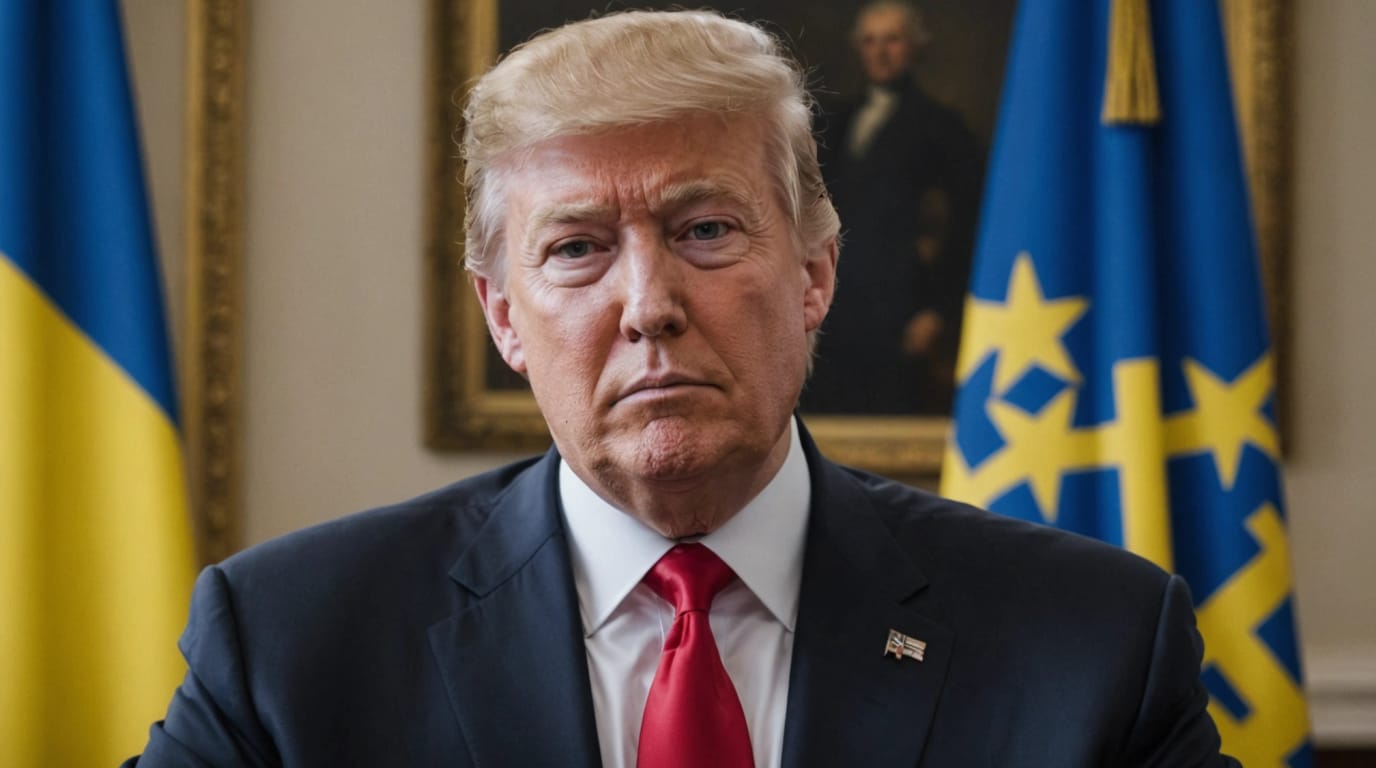
The Trump administration has placed a temporary hold on military aid to Ukraine, triggering a wave of unease among U.S. allies and raising questions about the future of American support for the Eastern European nation as it continues to fend off Russian aggression. The move comes after a contentious meeting between President Donald Trump, Vice President JD Vance, and Ukrainian President Volodymyr Zelenskyy at the White House, signaling a potential shift in U.S. foreign policy.
A Contentious Meeting and a Sudden Halt
The decision to pause aid followed a meeting at the White House that officials described as "disastrous." The meeting, intended to precede the signing of an economic and minerals agreement between the U.S. and Ukraine, reportedly devolved into a confrontation. Trump allegedly told Zelenskyy to reach a ceasefire agreement with Russia or face the withdrawal of U.S. support, while Vance accused the Ukrainian president of being "disrespectful." The meeting concluded abruptly without the signing of the minerals deal, leaving the future of military aid in doubt.
"The president has been clear that he is focused on peace," a White House official told CBS News. "We are pausing and reviewing our aid to ensure that it is contributing to a solution."
The Scope of the Suspension
While the exact scope of the aid suspension remains unclear, it reportedly includes military assistance and weapons that had already been approved and were en route to Ukraine. A defense official, speaking on condition of anonymity, said the specifics of the suspended aid package are still being determined.
Since Trump took office in January, $3.85 billion has been available in drawdown authority for weaponry that can be pulled from existing U.S. stockpiles and sent to Ukraine. However, the Trump administration has not packaged any of that aid for a single shipment since Jan. 21, according to a diplomatic source. Shipments of weapons promised by the Biden administration in earlier drawdowns have continued since January 20, according to defense officials.
International Reactions and Domestic Divisions
The Trump administration's decision has sparked concern among U.S. allies, particularly in Europe, who fear they can no longer rely solely on the United States for military support. Some European nations are reportedly considering bolstering their own defenses in response.
The move has also exposed divisions within the Republican party. While some GOP lawmakers have expressed support for Trump's approach, others have voiced unease. Republican Sen. Susan Collins, of Maine, stated, "I do not think we should be pausing our efforts. It's the Ukrainians who are shedding blood. It is Putin who launched an unprovoked and unjustified attack on a free, democratic and sovereign country. And I am not backing off my support for Ukraine."
Public opinion is also divided. A recent Reuters/Ipsos poll indicated that only 36% of Americans approve of Trump's stance on the Russia-Ukraine war, while 47% disapprove. Furthermore, 56% of Americans, including 27% of Republicans and 89% of Democrats, believe that Trump is "too closely aligned" with Russia.
The Impact on Ukraine
The United States has been Ukraine's biggest military backer since Russia's full-scale invasion began in February 2022, providing more than $180 billion in assistance, including over $66.5 billion in military aid. Washington supplies approximately 20% of Ukraine's military supplies, including critical equipment such as longer-range missiles and Patriot air defense systems.
The suspension of U.S. aid could have a significant impact on the battlefield, weakening Ukraine's air defenses and its ability to strike Russian targets far behind the front lines. Ukrainian troops also rely on U.S. intelligence and satellite communications systems, which could be affected by the aid suspension.
A Shift in U.S. Foreign Policy?
Trump's hardened stance on Ukraine marks a significant shift in U.S. foreign policy. He has repeatedly stated his desire for a swift end to the conflict and has blamed Ukraine for the war.
"I have determined that President Zelenskyy is not ready for Peace if America is involved, because he feels our involvement gives him a big advantage in negotiations. I don't want advantage, I want PEACE," Trump wrote on Truth Social following the meeting with Zelenskyy.
This approach contrasts with the previous U.S. policy of providing unwavering support to Ukraine in its fight against Russian aggression. It also raises questions about the future of U.S. alliances and its role in global security.
Seeking a Path to Peace
The Trump administration maintains that its goal is to achieve a peaceful resolution to the conflict in Ukraine. The White House has stated that the aid pause is intended to encourage Ukraine to engage in peace negotiations with Russia.
"We need our partners to be committed to that goal as well," a White House official said. "We are pausing and reviewing our aid to ensure that it is contributing to a solution."
However, critics argue that cutting off aid to Ukraine will only embolden Russia and undermine Ukraine's ability to defend itself. They also question whether Russia is genuinely interested in a peaceful resolution to the conflict.
The future of U.S. involvement in Ukraine remains uncertain. While the Trump administration has expressed a desire for peace, its actions have raised concerns about its commitment to Ukraine's security and its willingness to confront Russian aggression. The coming months will be crucial in determining the long-term impact of this policy shift on the conflict in Ukraine and the broader geopolitical landscape.


