Trump Administration Reinstates and Expands Tariffs on Steel and Aluminum Imports
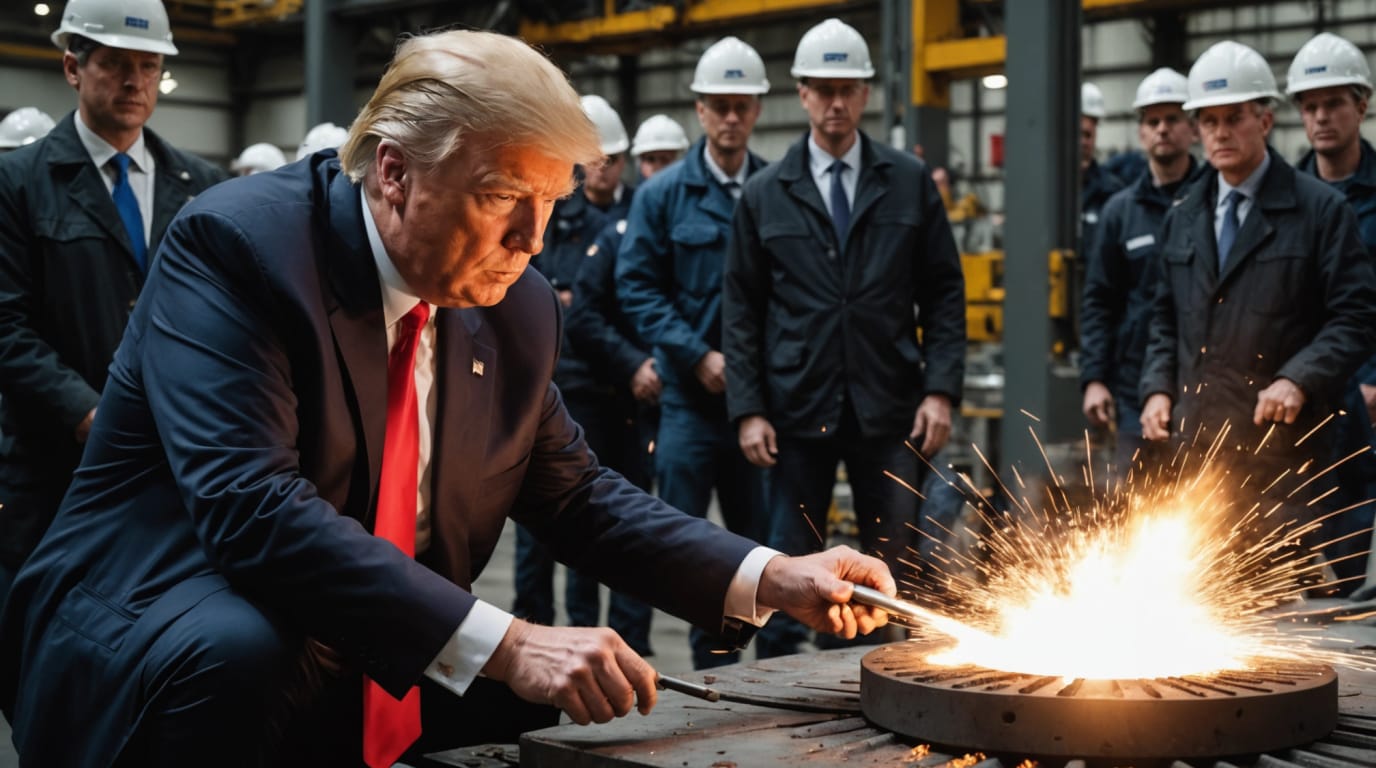
President Donald Trump has once again implemented tariffs on steel and aluminum imports, a move that is stirring debate among economists, manufacturers, and international trade partners. The tariffs, which went into effect Wednesday, are expected to have far-reaching consequences for American industries, global trade relations, and consumer prices.
Background on Section 232 Tariffs
The tariffs are being enacted under Section 232 of the Trade Expansion Act of 1962, which allows the president to impose trade restrictions on imports that are deemed a threat to national security. In March 2018, Trump initially invoked this act to impose a 25% tariff on steel imports and a 10% tariff on aluminum imports. These tariffs were intended to protect American steel and aluminum producers from foreign competition, which the administration argued was undermining domestic production and national security.
While initially, several countries were exempted from these tariffs, including Canada, Mexico, and the European Union, these exemptions were later removed. Recently, loopholes and exemptions have allowed evasion of the tariffs, weakening their intended effect. On Tuesday, Trump signed proclamations to close these loopholes, restoring a 25% tariff on steel and elevating the tariff to 25% on aluminum.
Impact on American Industries
The impact of the tariffs on American industries is a subject of considerable debate. Proponents argue that they will protect American jobs and encourage domestic production of steel and aluminum. The White House claims that the initial tariffs led to thousands of jobs gained and higher wages in the metals industry. They also cite the tariffs as a boon for Minnesota's iron ore industry, with state officials crediting them for bolstering the local economy.
However, critics argue that the tariffs will raise costs for American manufacturers that use steel and aluminum, such as automakers, construction firms, and beverage makers. These increased costs could make American products less competitive in the global market and potentially lead to job losses in these industries. The Center for Strategic and International Studies has warned that "unilateral tariffs will raise prices, cost American jobs, and strain alliances." The threats to the economy have already rattled stock markets.
Trade Tensions with Canada
The tariffs have also heightened trade tensions with Canada, one of the United States' largest trading partners and a major supplier of steel and aluminum. On Tuesday, Trump threatened to double the tariffs on Canadian steel and aluminum to 50% in response to Ontario's decision to impose a 25% tariff on electricity exports to the U.S. However, the White House later retracted this threat after Ontario suspended the electricity surcharge.
Despite the reversal, the incident underscores the fragile state of trade relations between the two countries. The Canadian Chamber of Commerce has warned that U.S. tariffs on steel and aluminum could lead to job losses in Canada, while retaliatory measures by the Canadian government could raise prices for consumers.
Global Implications
The tariffs are also likely to have broader implications for the global trading system. Other countries may retaliate with their own tariffs on American goods, leading to a trade war that could disrupt global supply chains and slow economic growth. Concerns exist that a prolonged trade war with Canada could raise prices for Americans and hurt the U.S. economy.
The move has been met with criticism from international organizations and trading partners, who argue that it violates international trade rules and undermines the multilateral trading system. Some view the tariffs as a protectionist measure that will ultimately harm the global economy.
Looking Ahead
The reinstatement and expansion of tariffs on steel and aluminum imports mark a significant development in the Trump administration's trade policy. The tariffs are likely to have a complex and far-reaching impact on American industries, trade relations, and the global economy.
It remains to be seen how the situation will unfold and whether the tariffs will achieve their intended goals. The administration has defended its tariff policy as necessary to close a trade deficit. Ongoing monitoring of the economic effects, diplomatic negotiations, and potential retaliatory measures will be crucial in assessing the long-term consequences of this policy.


