Trump Administration Unleashes Sweeping Plans to Expand Energy Extraction Across U.S. Wilderness
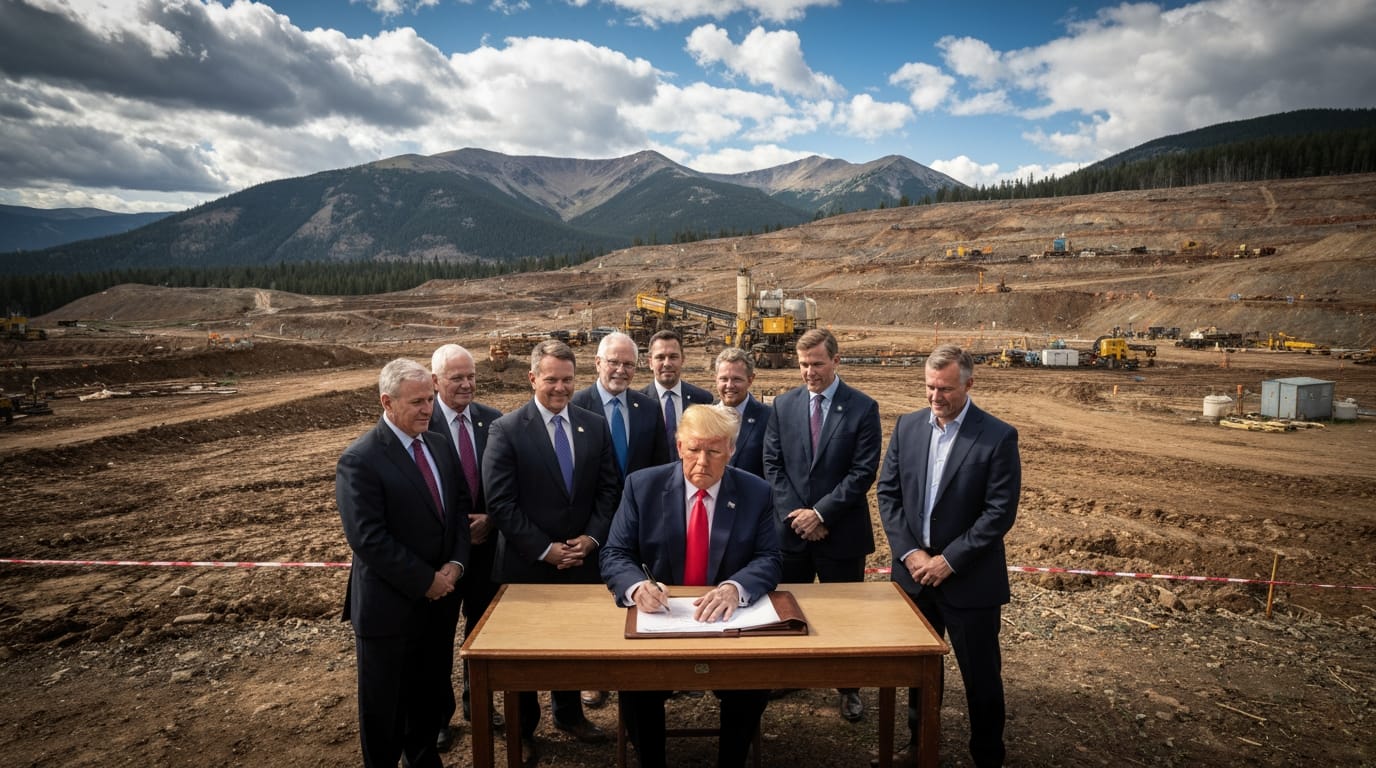
Washington, D.C. — The Trump administration has initiated a broad campaign to open vast swaths of American wilderness and public lands to oil, gas, and mineral extraction, marking a significant pivot towards an "energy dominance" agenda. Echoing the familiar rallying cry of "drill, baby, drill," the administration has enacted a series of executive orders and policy reversals aimed at maximizing domestic fossil fuel production and minimizing regulatory hurdles. This aggressive push, largely centered on Alaska's ecologically sensitive Arctic regions but extending to other protected areas, has ignited a fierce debate, pitting economic development and energy independence against urgent environmental conservation concerns and the rights of indigenous communities.
The Resurgence of "Energy Dominance"
Since the start of President Donald Trump's second term, a central tenet of his administration has been the unwavering commitment to "energy dominance" and boosting domestic fossil fuel output. This policy stance, articulated through presidential directives and Interior Department actions, seeks to expand oil, gas, and mineral production on federal lands and waters, often by rolling back environmental regulations and streamlining permitting processes. On his first day in office, President Trump signed an executive order signaling a national energy emergency and directing agencies to expand oil, gas, and mineral production, particularly in Alaska. This was followed by secretarial orders that positioned drilling and mining interests as favored users of America's public lands, threatening to scrap existing land protections. The administration has emphasized that these moves are critical for strengthening energy independence, creating jobs, and supporting economic growth, aiming to unlock Alaska's energy and resource potential while honoring commitments to the state and local communities.
Alaska's Arctic: At the Forefront of Development
The most prominent battleground in this energy expansion has been Alaska, particularly the Arctic National Wildlife Refuge (ANWR) and the National Petroleum Reserve-Alaska (NPR-A). The administration has moved to open the entire 1.56 million-acre coastal plain of ANWR to oil and gas leasing, reversing a Biden administration decision that had placed the pristine area off-limits. This coastal plain is known for its ecological significance, serving as critical habitat for polar bears, caribou, migratory birds, and marine mammals.
Similarly, the National Petroleum Reserve-Alaska (NPR-A), the largest single piece of public land in the U.S., has seen significant policy shifts. The Trump administration has repealed rules implemented by the Biden administration in 2024 that had restricted oil and gas development across 10.6 million acres within the reserve and imposed further constraints on millions more. These reversals aim to reopen approximately 82% of NPR-A's 23 million acres to oil and gas leasing. Proponents argue that the NPR-A, originally set aside as an emergency oil supply, is inherently a place for drilling, and expanded operations would provide revenue for local residents and the state. Estimates suggest the NPR-A could hold 8.7 billion barrels of recoverable oil.
Further underscoring the push for infrastructure to support extraction, the Interior Department has reissued permits for the controversial Ambler Road Project. This proposed 211-mile gravel road would cut through wilderness, including parts of the Gates of the Arctic National Park and Preserve and the Izembek National Wildlife Refuge, to access a potential $7 billion copper deposit and other mineral resources. Environmental groups warn this project could endanger over 200,000 migratory birds and threaten multiple Indigenous tribes reliant on the area for hunting and fishing.
Expanding Reach Beyond the Arctic
The administration's energy expansion efforts extend beyond Alaska. In the Greater Chaco Region of New Mexico, the administration has proposed eliminating protections that safeguarded the area from new oil and gas leasing. This rollback would reopen lands within 10 miles of the Chaco Culture National Historical Park, a UNESCO World Heritage Site with over a thousand years of history sacred to Indigenous communities, to new drilling. Critics contend that this move risks damaging cultural sites, worsening air pollution, and impacting traditional ways of life in an area where over 90% of nearby federal public land is already leased for energy development.
In California, plans led by the Bureau of Land Management's field offices aim to open over a million acres of federal mineral estate to fossil fuel drilling leases, including hundreds of thousands of acres in and around the Bay Area. These projects, consistent with the "Unleashing American Energy" executive order, could impact areas near Yosemite and Sequoia National Parks.
A particularly contentious decision involves the Gulf of Mexico, where a U.S. government panel, dubbed the "God squad" by critics, exempted oil and gas drilling from the Endangered Species Act (ESA). Citing national security concerns amid global oil shocks and the Iran war, the Defense Secretary requested this exemption, which was unanimously approved by the committee. Environmentalists warn this move could lead to the extinction of the rare Rice's whale, with only about 50 individuals remaining, and harm other marine life that are still recovering from past environmental disasters like the Deepwater Horizon spill.
Economic Promises vs. Environmental Perils
The Trump administration justifies its comprehensive approach by asserting that increased domestic production ensures energy security, reduces reliance on foreign oil, and creates economic opportunities. Interior Secretary Doug Burgum has stated that these actions unlock energy potential, create jobs for communities, and strengthen energy independence. The Department of the Interior highlighted record U.S. energy production in 2025, with offshore oil production reaching over 714 million barrels, the highest annual output on record, attributing this to policy changes aimed at improving regulatory efficiency.
However, these policies face significant and widespread opposition. Environmental conservation organizations, including the Alaska Wilderness League and the Natural Resources Defense Council, have vehemently condemned the administration's actions. They argue that opening ecologically vital areas to drilling would destroy sensitive landscapes, accelerate the climate crisis, exacerbate permafrost melt, and harm diverse wildlife populations, from polar bears and caribou to migratory birds and whales.
Indigenous communities, particularly the Gwich'in Nation, have voiced strong opposition to drilling in ANWR's coastal plain, which they consider sacred lands vital for the caribou herds they rely on for subsistence and cultural heritage. Similarly, in the Greater Chaco Region, tribal leaders and conservation groups decry the potential destruction of historical sites and traditional ways of life.
Adding another layer of complexity, market interest in some of these newly opened areas has been lukewarm. Despite the administration's push, lease sales in the Arctic National Wildlife Refuge have seen low interest, with some receiving no bids, suggesting that industry giants may be wary of the high costs, logistical challenges, and significant public opposition associated with Arctic drilling. Legal challenges are also mounting, with environmental groups preparing for prolonged court battles to halt or reverse many of these policy changes, arguing that environmental laws and regulatory processes must be rigorously followed.
A Deeply Divided Future for America's Wild Places
The Trump administration's aggressive pursuit of expanded energy extraction on federal lands and waters represents a profound departure from conservation-focused policies of previous administrations. While proponents champion the drive for energy independence and economic growth, critics warn of irreversible environmental damage, the disruption of indigenous cultures, and a worsening climate crisis. The ongoing legal battles and the lukewarm market response in some regions highlight the deep divisions and uncertainties surrounding the future of America's wild places, where the push for fossil fuels continues to clash with the imperative of environmental stewardship.