Trump Alleges Massive Chinese Election Meddling, Declassifies Intelligence Amid Broad Disagreement
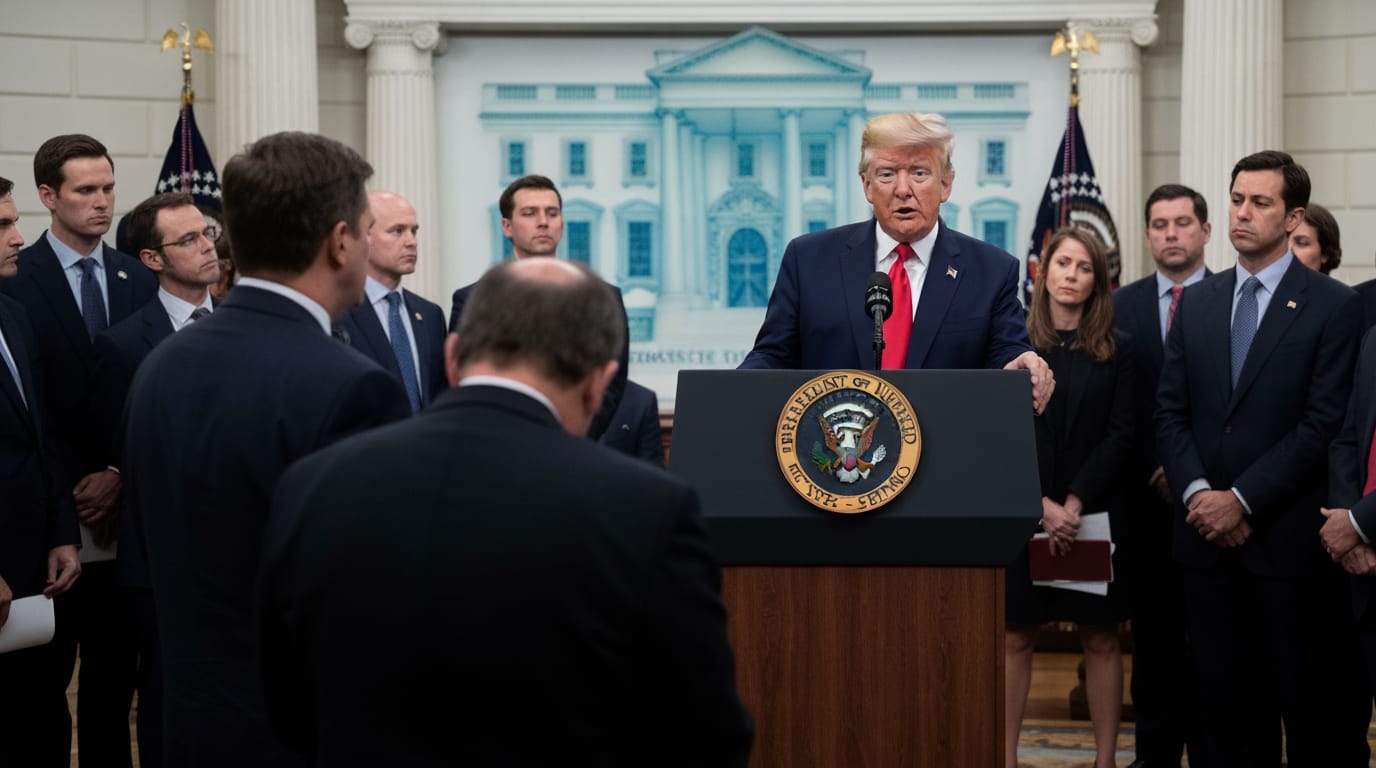
Washington D.C. – Former President Donald Trump on Thursday night delivered a primetime address, asserting that China engaged in an unprecedented effort to compromise U.S. election data, a claim that immediately reignited debates over election security and drew sharp distinctions with earlier assessments from the U.S. intelligence community. Speaking from the East Room of the White House, Trump unveiled what he described as newly declassified intelligence documents, alleging that Beijing accessed a staggering 220 million American voter files, with the covert operation reportedly commencing during the 2020 election cycle. The explosive allegations, made just months before critical midterm elections, were accompanied by renewed calls for sweeping changes to national voting laws and directives for new federal investigations.
Explosive Claims of Data Compromise and Cover-Up
In a highly anticipated address, Trump claimed that intelligence gathered by a White House task force and a presidential intelligence advisory board demonstrated China's extensive involvement in U.S. elections. He characterized Beijing’s alleged actions as "the largest compromise of election data in history," accusing the Chinese government of obtaining access to sensitive information from 220 million U.S. voter files. According to Trump, this alleged data breach underscored the vulnerability of the nation's electoral system to "manipulation and corruption."
Further intensifying his claims, Trump accused what he termed the "deep state" of covering up China's involvement, suggesting a concerted effort to conceal the extent of the meddling. He specifically alleged that the Central Intelligence Agency (CIA) possessed knowledge of these activities but deliberately withheld the information from him during his first term in office. The White House confirmed it had published documents related to these claims on its official website, though the specifics of the declassified intelligence and the evidence supporting the allegations remained subjects of intense scrutiny. Federal authorities are reportedly in the process of notifying states whose election data may have been compromised.
Intelligence Community Presents Contradictory Findings
Trump’s assertions, however, stand in stark contrast to the consensus findings of the U.S. intelligence community regarding foreign interference in the 2020 election. A comprehensive March 2021 assessment by the National Intelligence Council (NIC) concluded with "high confidence" that China did not attempt to influence the outcome of the 2020 presidential election. The NIC report indicated that Beijing likely determined that neither a Biden nor a Trump victory was "advantageous enough for China to risk getting caught meddling." Furthermore, the intelligence community found no evidence that China "interfered with election infrastructure," including vote-counting mechanisms or any other "technical aspect" of the 2020 election process. The NIC report stressed the inherent difficulty for any foreign actor to manipulate election processes on a large scale without detection, citing robust intelligence collection, cybersecurity monitoring, and post-election audits.
Despite this broad consensus, the intelligence community’s assessment did acknowledge a "minority view" from the National Intelligence Officer for Cyber. This individual held "moderate confidence" that China did attempt to undermine Trump’s re-election campaign through broader influence operations, primarily involving social media activity and official statements. Crucially, even this minority view concurred that China did not interfere with election processes themselves. Additionally, a declassified 2022 report noted that Chinese intelligence had analyzed U.S. voter registration data in April 2020, likely for "public opinion analysis" purposes, rather than direct manipulation of election systems. Sources familiar with the intelligence emphasized that there was no indication Beijing had manipulated or changed votes. They also pointed out that much voter data is publicly available, distinguishing online access from illicit interference with official election infrastructure.
Calls for Stricter Election Security and New Investigations
In response to his allegations, Trump announced he had directed the Director of National Intelligence and the Federal Bureau of Investigation (FBI) to launch new investigations into the reported data breach and to determine its full scope.
Beyond new inquiries, Trump reiterated his long-standing push for more stringent election security measures, urging Congress to pass the SAVE America Act. This proposed legislation aims to introduce nationwide voter identification requirements and mandates proof of U.S. citizenship for voter registration. The former president and his allies have positioned the SAVE America Act as a critical step to safeguarding the integrity of future elections, tying its passage to their concerns about the 2020 election. Critics of the proposed act, however, have voiced concerns that such measures could disenfranchise eligible voters.
Media Response and Ongoing Political Divide
The significant nature of Trump’s claims was underscored by the varied response from major media outlets. Several prominent networks, including ABC and NBC, chose not to broadcast the speech live on their primary channels, opting instead to carry it on streaming platforms or online. CNN also made the address available online and on its subscription service, limiting its reach compared to traditional live television broadcasts. Trump swiftly criticized these networks, suggesting they should lose their licenses for their decision. Democrats had earlier called for a television boycott, expressing concerns that Trump would use the platform to disseminate misleading information about the U.S. electoral system.
This latest episode unfolds against a backdrop of Trump's persistent and debunked claims that the 2020 presidential election was stolen from him due to widespread fraud. His address on alleged Chinese meddling further amplifies the ongoing political divide over election integrity, particularly as the nation heads into the upcoming midterm elections. The debate over foreign interference, the security of voter data, and the veracity of intelligence assessments is expected to intensify, shaping the political discourse in the months ahead.
Conclusion
The address by former President Trump has thrust the contentious issue of Chinese election meddling back into the national spotlight, presenting a narrative that challenges the findings of the U.S. intelligence community. While Trump alleges a comprehensive compromise of voter data and a "deep state" cover-up, official intelligence assessments have, with high confidence, dismissed direct Chinese interference in the 2020 election infrastructure. The declassification of documents and the call for new investigations signal a deepening of this controversy, promising to fuel further political debate and scrutiny regarding election security, U.S.-China relations, and the integrity of national intelligence. The conflicting accounts set the stage for continued contention as the nation navigates a complex political landscape.