Trump and Starmer Discuss Trade Amid Looming Tariff Deadline
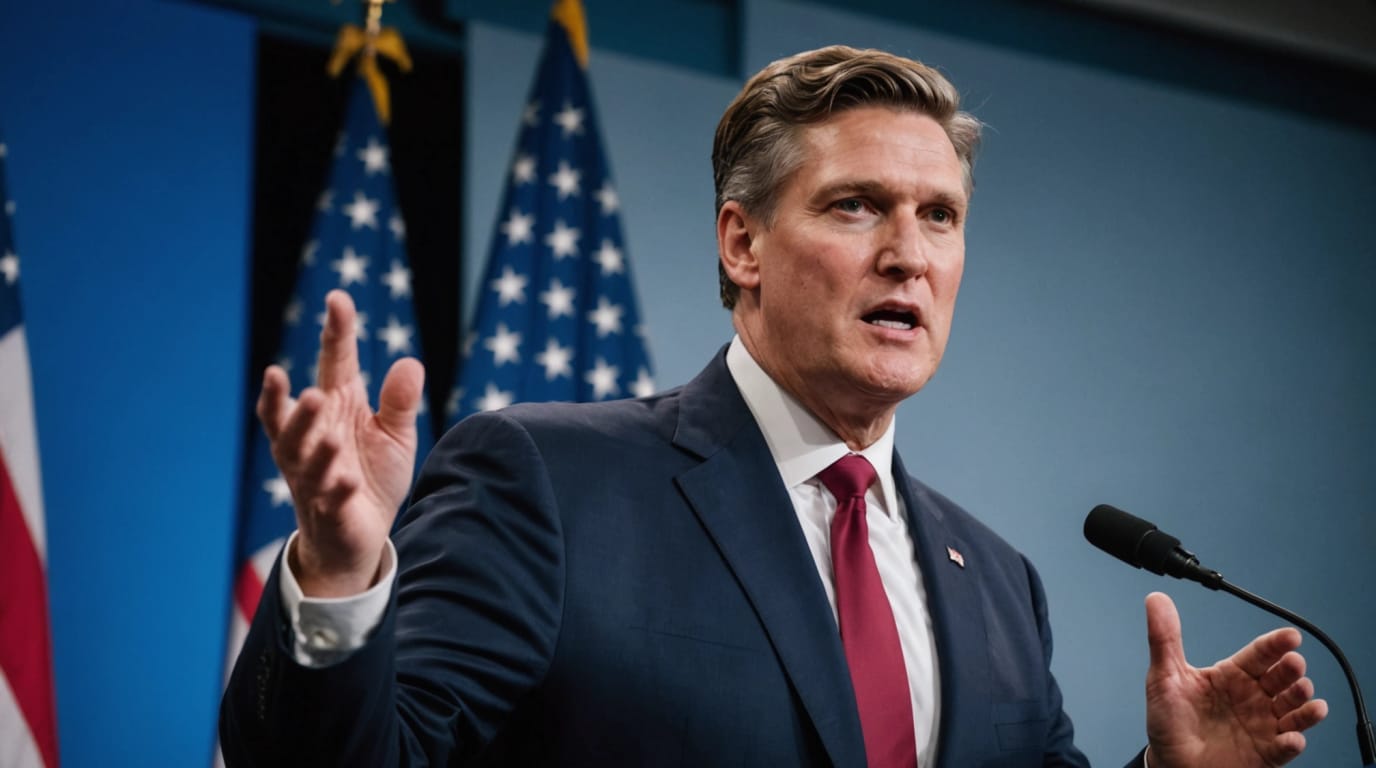
LONDON – Prime Minister Keir Starmer and U.S. President Donald Trump held discussions Sunday regarding ongoing negotiations for a UK-US economic prosperity deal, Downing Street confirmed. The call comes as the UK seeks to secure an exemption from a new wave of tariffs set to be imposed by the United States, with both leaders agreeing that negotiations will "continue at pace" this week.
The conversation between Starmer and Trump underscores the urgency surrounding the trade talks, particularly with President Trump's self-proclaimed "Liberation Day" on April 2 rapidly approaching. On this day, the U.S. President plans to implement a series of tariffs aimed at reshaping global trade relations and boosting the American domestic economy. These tariffs, which could include a 20% tax on UK products, have raised concerns in Britain about their potential impact on economic growth.
Key Points of Discussion
During the phone call, President Trump conveyed his best wishes for good health to His Majesty the King. The two leaders then focused on the "productive negotiations" underway between their respective teams concerning the proposed UK-US economic prosperity deal. Both Starmer and Trump acknowledged the importance of these discussions and agreed to maintain close contact in the coming days.
The UK government hopes that a comprehensive economic deal with the U.S. will shield the country from the broader impact of the impending tariffs. However, a source within the government described Trump as "unpredictable," adding uncertainty to the likelihood of a successful agreement.
Potential Bargaining Chips
Negotiations between the UK and the U.S. are reportedly intense, with several potential bargaining chips on the table. One key consideration is the possibility of the UK decreasing or even abolishing its digital services tax, which targets large U.S. tech companies. This tax has been a point of contention, drawing criticism from figures like Elon Musk and U.S. Vice President JD Vance.
The proposed UK/US deal is expected to focus on future technologies, including artificial intelligence and bioscience. Sources suggest that the agreement is "not a traditional trade deal," as it avoids complex issues related to agriculture, such as U.S. chlorinated chicken, and manufacturing, including car production.
Looming Tariffs and Potential Impact
President Trump's planned tariffs have sparked widespread concern, particularly within the British automotive industry. A proposed 25% import tax on all cars entering the U.S. could significantly impact luxury carmakers such as Rolls-Royce and Aston Martin.
Beyond the automotive sector, the broader implications of the tariffs could be substantial. The Institute for Fiscal Studies has warned that the government's narrow buffer for public spending plans could be easily eroded by external events, including the imposition of new trade taxes.
UK's Response and Possible Retaliation
In response to the looming tariffs, Prime Minister Starmer has asserted that the UK "reserves the right" to introduce reciprocal tariffs on the U.S. if a deal to exempt the UK cannot be reached. However, the Office for Budget Responsibility (OBR) has cautioned that retaliatory tariffs could ultimately harm the UK economy more than accepting the U.S. levy.
Home Secretary Yvette Cooper expressed the UK's disappointment with the introduction of new tariffs by the U.S., emphasizing the desire for reduced trade barriers rather than increased ones.
Preparing for All Eventualities
With President Trump's "Liberation Day" approaching, UK ministers are reportedly "prepared for any eventuality." Despite ongoing efforts to secure a trade deal, the government is actively considering potential retaliatory measures.
A Downing Street source emphasized that Prime Minister Starmer is committed to acting in the national interest and is prepared to take necessary action to protect the UK economy.
Conclusion
The clock is ticking as the UK and the U.S. work to navigate complex trade negotiations amid the threat of new tariffs. While both Prime Minister Starmer and President Trump have expressed optimism about reaching an agreement, significant challenges remain. The coming days will be crucial in determining whether the two nations can forge a path towards economic prosperity or if they are headed for a trade war. The outcome of these negotiations will have far-reaching consequences for businesses and consumers on both sides of the Atlantic.


