Trump Announces Sweeping Global Tariffs, Sparks Trade War Fears
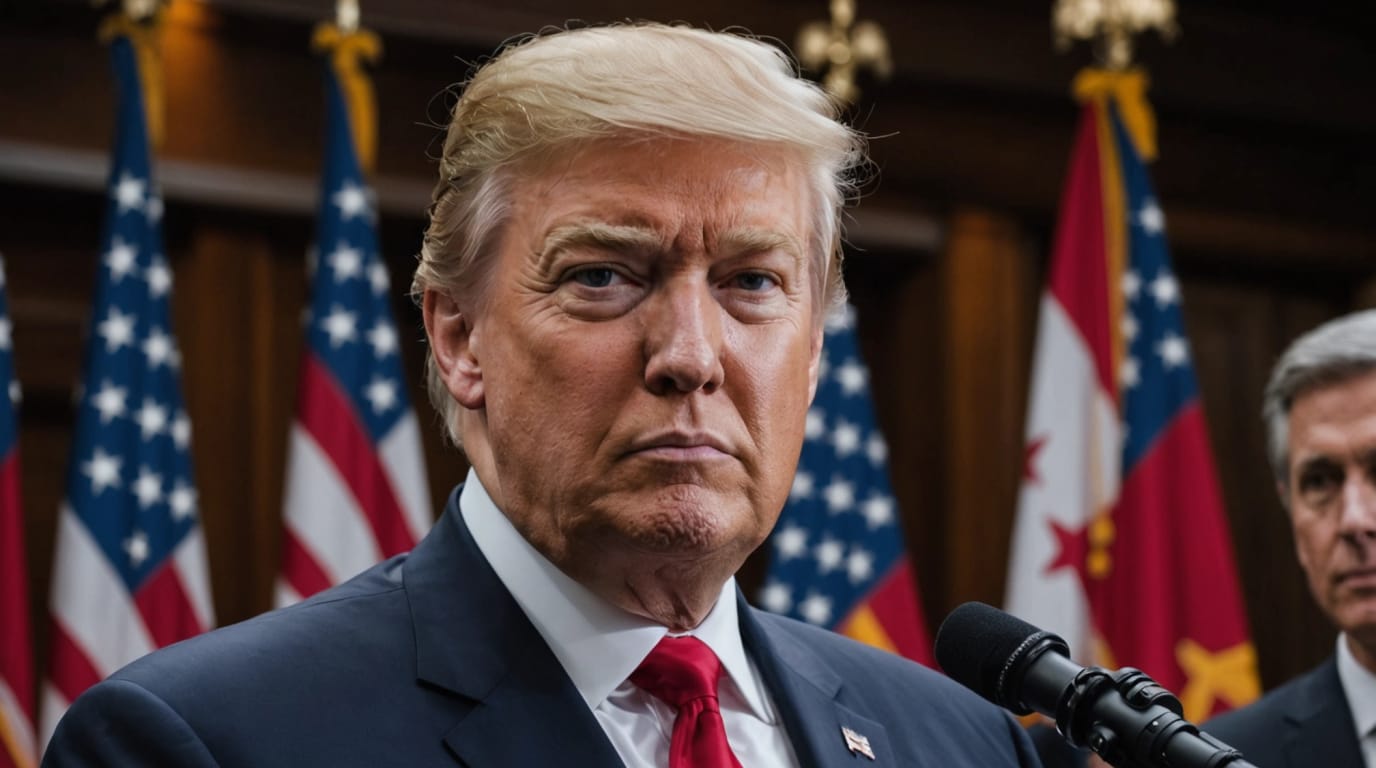
WASHINGTON - President Donald Trump today announced a new set of sweeping global tariffs, a move he has dubbed "Liberation Day" for the American economy. The announcement, made from the White House Rose Garden at 4 p.m. EDT, has sent ripples of uncertainty through global markets and sparked fears of a potential trade war. The tariffs, which Trump claims will reduce U.S. reliance on foreign goods and revitalize American manufacturing, are set to take effect immediately.
"Reciprocal Tariffs" and a 25% Auto Levy
The core of Trump's plan involves what he calls "reciprocal tariffs," designed to match duties imposed by other countries on American goods. White House Press Secretary Karoline Leavitt confirmed that these tariffs would be implemented immediately following the President's announcement. In addition, a 25% tariff on auto imports is slated to begin on April 3. Trump has repeatedly stated that these measures are intended to level the playing field and end what he sees as decades of unfair trade practices that have disadvantaged American workers and businesses.
Treasury Secretary Scott Bessent suggested that the "reciprocal tariffs" would act as a cap, allowing for reductions if other nations comply with U.S. demands. However, the immediate impact is expected to be a significant increase in the cost of imported goods for American consumers and businesses.
Scope and Impact
While the full scope of the tariffs remains somewhat unclear, reports suggest that the White House is considering a plan to impose an average tariff of about 20% on products from nearly every country, rather than targeting specific nations or industries. This broad approach represents a significant escalation in trade policy and could have far-reaching consequences for the global economy.
The announcement has already spooked stock markets, with the Sensex index falling sharply amid investor concerns about the potential impact of the tariffs on global trade. Critics warn that the tariffs could increase the risk of a damaging recession both at home and abroad, as U.S. consumers bear the brunt of higher prices and retaliatory measures from other countries disrupt supply chains.
Global Reactions and Potential Retaliation
The international community has reacted with a mix of concern and defiance. Several countries, including the EU and Canada, have already announced reciprocal tariffs on U.S. goods in response to Trump's policies. These retaliatory measures could further escalate the trade conflict and lead to a tit-for-tat cycle of tariffs and counter-tariffs, harming businesses and consumers on both sides.
Canadian and Mexican leaders have discussed strategies to combat what Canada calls “unjustified trade actions” by the U.S. The Netherlands' Foreign Minister has also criticized the U.S. reciprocal tariff plan as unproductive.
Winners and Losers
The potential winners and losers from Trump's tariffs are a subject of intense debate. Trump insists that the tariffs will bring a "rebirth" of America's manufacturing capacity, encouraging companies to move production back to the United States. He has also suggested that India is set to "drop its tariffs substantially," along with other U.S. allies.
However, many economists and business leaders are skeptical of these claims. They argue that the tariffs will primarily benefit a small number of domestic industries while harming consumers, businesses that rely on imported goods, and the overall economy. The impact on specific sectors, such as the automotive industry, could be particularly severe, as the 25% tariff on auto imports is likely to raise prices and reduce demand.
Immediate Implementation and Future Negotiations
White House Press Secretary Karoline Leavitt stated that the tariffs would take effect immediately after the announcement, signaling the administration's determination to move quickly on this issue. However, she also indicated that Trump would be willing to listen to foreign governments and corporate leaders who ask for lower rates, suggesting that there may be room for negotiation in the future.
Leavitt downplayed market volatility ahead of the announcement, arguing that Wall Street will adjust to the new policies as it did during Trump's first term. However, the long-term impact of the tariffs on the U.S. and global economies remains highly uncertain.
A New Era of Uncertainty
President Trump's announcement of sweeping global tariffs marks a significant turning point in international trade relations. The move has the potential to reshape the global economy, disrupt supply chains, and raise prices for consumers around the world. While the administration argues that the tariffs are necessary to protect American workers and businesses, critics warn that they could lead to a damaging trade war and undermine global economic growth. The coming weeks and months will be crucial in determining the ultimate impact of these policies and whether a path to de-escalation can be found.


