Trump Appoints Jay Clayton as AI Czar to Lead Task Force
The new advisory body will evaluate federal policies on advanced technologies while seeking to avoid regulations that could slow commercial growth.
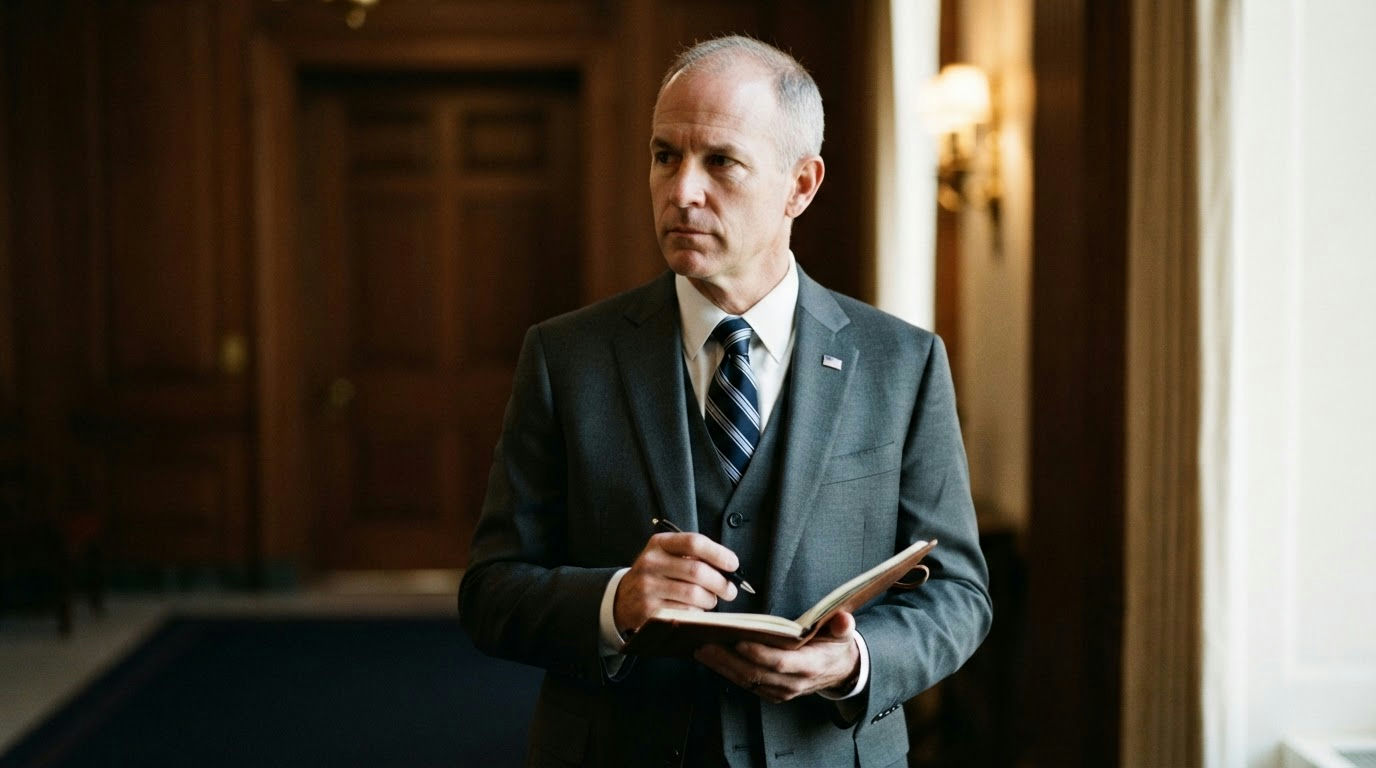
U.S. President Donald Trump has named Director of National Intelligence Jay Clayton as the administration's artificial intelligence czar. The appointment puts Clayton in charge of a newly formed White House task force focused on artificial intelligence policy, the Wall Street Journal reported on Saturday.
The panel, called the Super Intelligence Force, will have 120 days to produce a comprehensive report on the risks and economic opportunities tied to the technology. The charter orders the group to create response plans for emerging threats without imposing rules that could restrict private sector innovation.
Clayton told the Wall Street Journal that Trump directed the panel to protect national interests while keeping the United States ahead of foreign competitors. Clayton said falling behind rivals poses significant national security dangers, and maintaining the technological lead will help the government address those threats.
The leadership team includes three vice chairs: Emil Michael, Scott Kupor, and Federal Trade Commission Chairman Andrew Ferguson. The group also includes Vice President JD Vance, Defense Secretary Pete Hegseth, Treasury Secretary Scott Bessent, and White House Chief of Staff Susie Wiles. Venture capitalist David Sacks and former Secretary of State Condoleezza Rice will serve as external advisers.
Clayton is the second person to hold the informal czar title under Trump. Sacks held the position earlier in the presidential term before stepping down in March after reaching the time limit for special government employees.
The appointment follows growing concern among lawmakers and researchers over safety benchmarks and computer network security. Trump has maintained that existing civil and criminal statutes are sufficient to handle corporate wrongdoing, rejecting calls for new regulatory oversight. Trump also rejected international governance pacts on the sector, stating earlier in the week that he does not plan to coordinate artificial intelligence standards with Chinese President Xi Jinping.
The task force will begin reviewing reporting mechanisms across federal agencies for security incidents, data breaches, and foreign cyber interference. Its final set of recommendations is scheduled for delivery to the White House at the conclusion of the four-month review period.