Trump Calls for Swift End to Ukraine War in Address to Congress
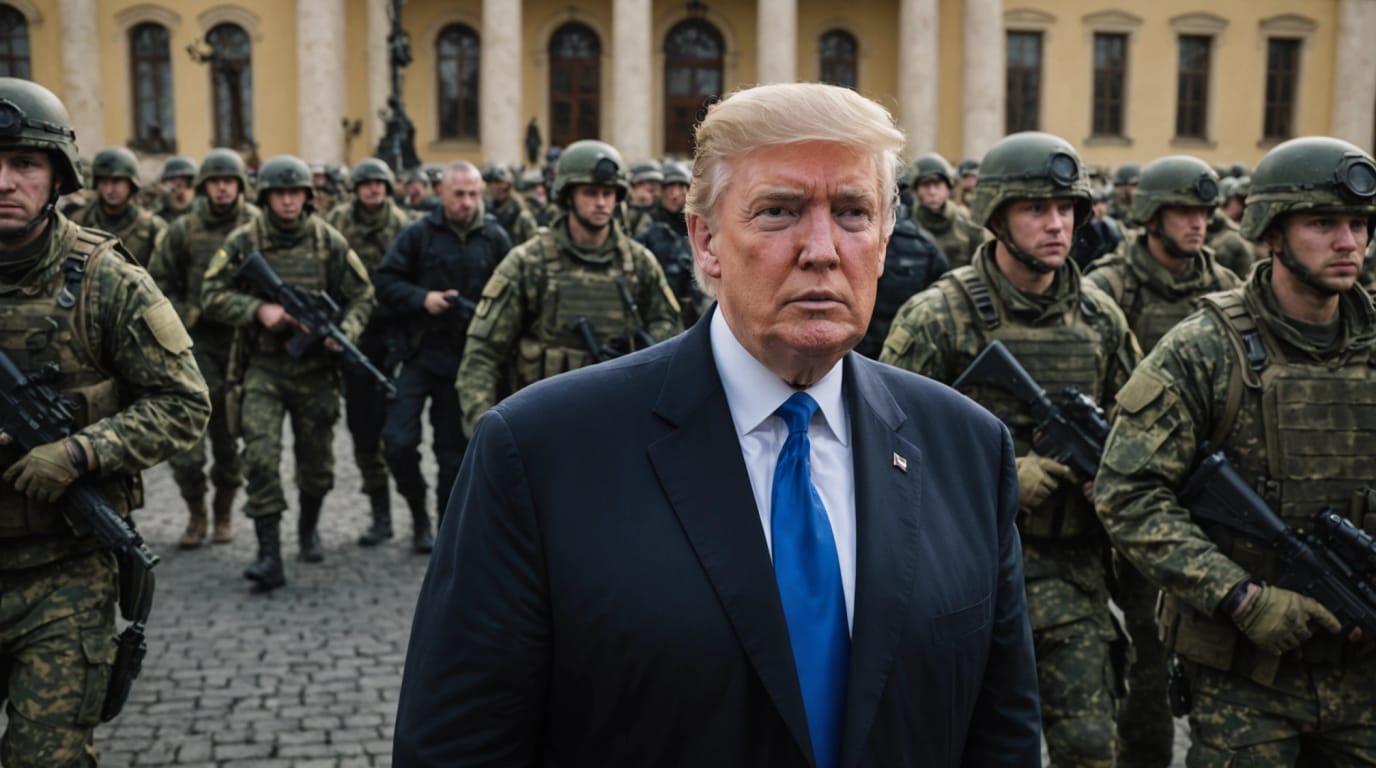
WASHINGTON, D.C. – President Donald Trump, in his first address to a joint session of Congress since returning to office, declared an urgent need to end the conflict in Ukraine, stating his administration is working diligently to broker a ceasefire and bring peace to the region. The address comes amid heightened tensions between the U.S. and Ukraine, following the suspension of military aid and a reported heated exchange between President Trump and Ukrainian President Volodymyr Zelenskyy.
Trump's address, delivered Tuesday, focused heavily on his commitment to fulfilling campaign promises, particularly ending the war in Ukraine. He asserted that his administration has received "strong signals" from Russia indicating their readiness for peace talks. Trump also stated that Zelenskyy had sent him a letter expressing a willingness to negotiate, offering to sign a deal regarding Ukraine's mineral resources "at any time."
Zelenskyy Signals Readiness for Talks
According to President Trump, Ukrainian President Zelenskyy has indicated his readiness to engage in talks with Russia to resolve the ongoing conflict. Trump informed Congress that Zelenskyy had sent him a letter expressing his desire to come to the negotiating table. This development follows a week of diplomatic strain, marked by the U.S. decision to suspend military aid to Ukraine after a reported disagreement between the two leaders.
The letter from Zelenskyy, as described by Trump, suggests a potential shift in Ukraine's stance, signaling a willingness to explore a negotiated settlement to the war. The details of the proposed negotiations and the specific terms Zelenskyy is willing to consider remain unclear. However, the offer to sign a deal on Ukraine's mineral resources could be a key element in the discussions.
Suspension of Military Aid
The announcement of suspended military aid to Ukraine preceded Trump's address, adding another layer of complexity to the situation. The suspension came after what has been described as a heated exchange between President Trump, Vice President JD Vance, and President Zelenskyy in the Oval Office. The specific details of the disagreement have not been officially disclosed, but reports suggest it may be linked to a proposed minerals deal between the U.S. and Ukraine.
The decision to suspend military aid has drawn criticism from some members of Congress, who argue that it weakens Ukraine's position and emboldens Russia. Others have defended the move, suggesting it is a necessary step to encourage Ukraine to engage in serious negotiations. The suspension's long-term impact on the conflict and the relationship between the U.S. and Ukraine remains to be seen.
Trump's Broader Foreign Policy Vision
President Trump's address to Congress also touched on broader themes of his foreign policy vision. He reiterated his belief that European nations should contribute more to supporting Ukraine, criticizing them for not providing enough aid compared to the United States. This stance aligns with Trump's long-standing call forburden-sharing among allies and a more transactional approach to international relations.
Beyond Ukraine, Trump hinted at potential shifts in trade policy, suggesting the possibility of new tariffs. While he did not provide specific details, his remarks indicate a continued willingness to use tariffs as a tool to advance U.S. economic interests. This approach has been a hallmark of his presidency, often leading to trade disputes with other countries.
Domestic Reaction and Future Outlook
The reaction to President Trump's address has been divided along party lines. Democratic senators and representatives reportedly left the chamber during his speech, signaling their disapproval of his policies and rhetoric. Public opinion polls also reflect this division, with close to half of Americans disapproving of Trump's job performance so far.
Despite the criticism, Trump's approval rating stands at 45 percent, higher than at any point during his first term, according to a recent PBS News/NPR/Marist poll. This suggests that he maintains a significant base of support, particularly among Republican voters. As the situation in Ukraine continues to evolve, President Trump's approach to the conflict will likely remain a subject of intense debate and scrutiny. The coming weeks will be crucial in determining whether his administration can successfully broker a peaceful resolution and reshape the relationship between the U.S., Ukraine, and Russia.
In conclusion, President Trump's address to Congress underscored his commitment to ending the war in Ukraine and signaled a potential shift in diplomatic strategy. The willingness of both Ukraine and Russia to engage in negotiations, as claimed by Trump, offers a glimmer of hope for a peaceful resolution. However, the suspension of military aid and the deep divisions within the U.S. political landscape add significant challenges to achieving a lasting peace. The world watches as the Trump administration navigates this complex situation, with the lives and futures of millions hanging in the balance.


