Trump Claims US Can't Afford Trials for Every Deportee, Citing Overwhelmed System
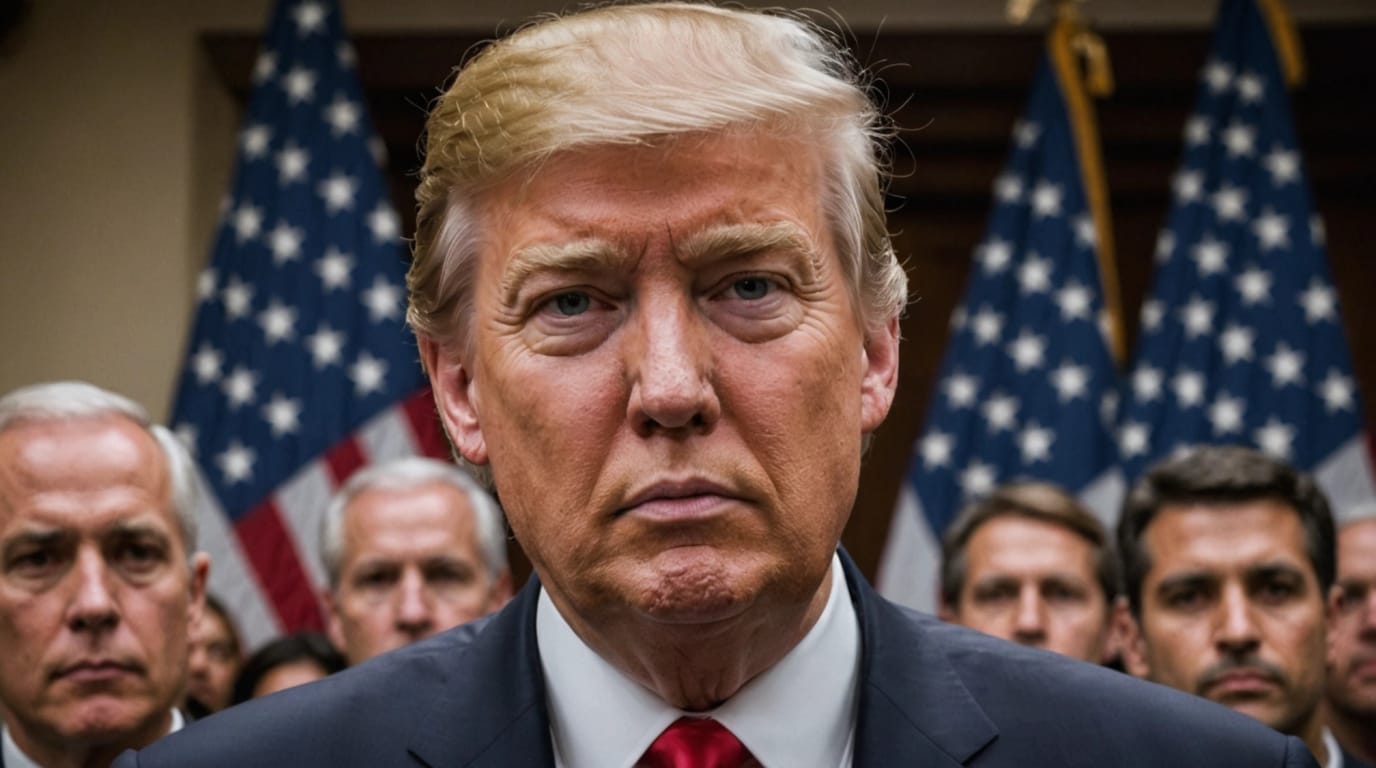
Former President Donald Trump has asserted that the United States cannot provide trials for every individual it seeks to deport, arguing that doing so would cripple the system and take centuries to accomplish. This statement comes amid ongoing legal battles over the administration's immigration policies, particularly the use of the Alien Enemies Act to expedite deportations.
Trump's recent remarks, posted on Truth Social, highlight his frustration with the judicial system, including the Supreme Court, which he claims is hindering his efforts to remove "criminals" from the country. He argues that the sheer number of individuals facing deportation makes individual trials an impossibility, potentially requiring "hundreds of thousands of trials" and taking "200 years" to complete.
Alien Enemies Act Under Scrutiny
The core of the current legal dispute revolves around the Trump administration's invocation of the Alien Enemies Act of 1798, a law historically reserved for wartime, to justify the swift deportation of migrants, particularly Venezuelans. This move has faced significant pushback from legal experts and civil rights advocates, who argue that it violates due process rights.
In March, a U.S. District Judge temporarily halted the deportations, raising concerns about the lack of due process afforded to those being removed. The Justice Department subsequently appealed to the Supreme Court, arguing that the President has the authority to determine national security-related operations.
Critics point out that the Alien Enemies Act was last used during World War II, when it led to the internment of Japanese Americans and other residents with ties to enemy nations. The U.S. government later apologized for these actions and offered compensation. The current administration's reliance on this law has sparked concerns that history is being repeated.
Due Process Concerns
The debate over deportations and due process raises fundamental questions about the rights of immigrants, regardless of their legal status. The Fifth Amendment to the U.S. Constitution guarantees due process of law to all "persons" within the country, not just citizens. This includes the right to a fair hearing, legal representation, and the opportunity to present evidence.
However, the immigration system often falls short of these ideals. Many immigrants face deportation proceedings without legal representation, navigating a complex legal system on their own. The existing backlog in immigration courts further exacerbates the problem, with millions of cases pending and individuals waiting years for their day in court.
Some legal observers have noted the irony that even Nazi defendants in the U.S. received more due process than some Venezuelan migrants currently facing deportation under the Alien Enemies Act. This comparison underscores the gravity of the due process concerns raised by the administration's policies.
Impact on the Immigration System
Trump's policies have significantly expanded the scope of immigration enforcement, leading to increased detentions and deportations. This has placed a tremendous strain on the immigration court system, which was already struggling with a massive backlog of cases.
Critics argue that the administration's actions are designed to create chaos and dysfunction in the immigration system, deterring immigrants from seeking legal status and making it more difficult for those with legitimate claims to remain in the country.
Reports indicate that even immigrants with legal status or no criminal history have been caught up in the crackdown, raising concerns about the potential for wrongful deportations and the erosion of due process protections.
Political Implications
The debate over immigration policy has become increasingly polarized in recent years, with deep divisions between Republicans and Democrats on issues such as border security, deportation, and pathways to citizenship.
Trump's hard-line stance on immigration has resonated with some voters, who see it as a way to protect American jobs and national security. However, his policies have also drawn strong condemnation from civil rights groups and immigrant advocates, who accuse him of demonizing immigrants and violating their rights.
The legal challenges to the administration's immigration policies are likely to continue, with the Supreme Court potentially playing a decisive role in shaping the future of immigration law in the United States.
Conclusion
The question of whether the U.S. can afford to provide trials for every person it seeks to deport is not simply a matter of logistics or resources. It is a fundamental question about the values and principles that underpin the American legal system. While the practical challenges of processing a large number of deportation cases are undeniable, the commitment to due process and the protection of individual rights must remain paramount. The ongoing legal battles over the Alien Enemies Act and other immigration policies will continue to test the balance between national security concerns and the constitutional rights of all individuals within the United States.


