Trump Delivers State of the Union Amidst Impeachment Trial, Highlights "Great American Comeback"
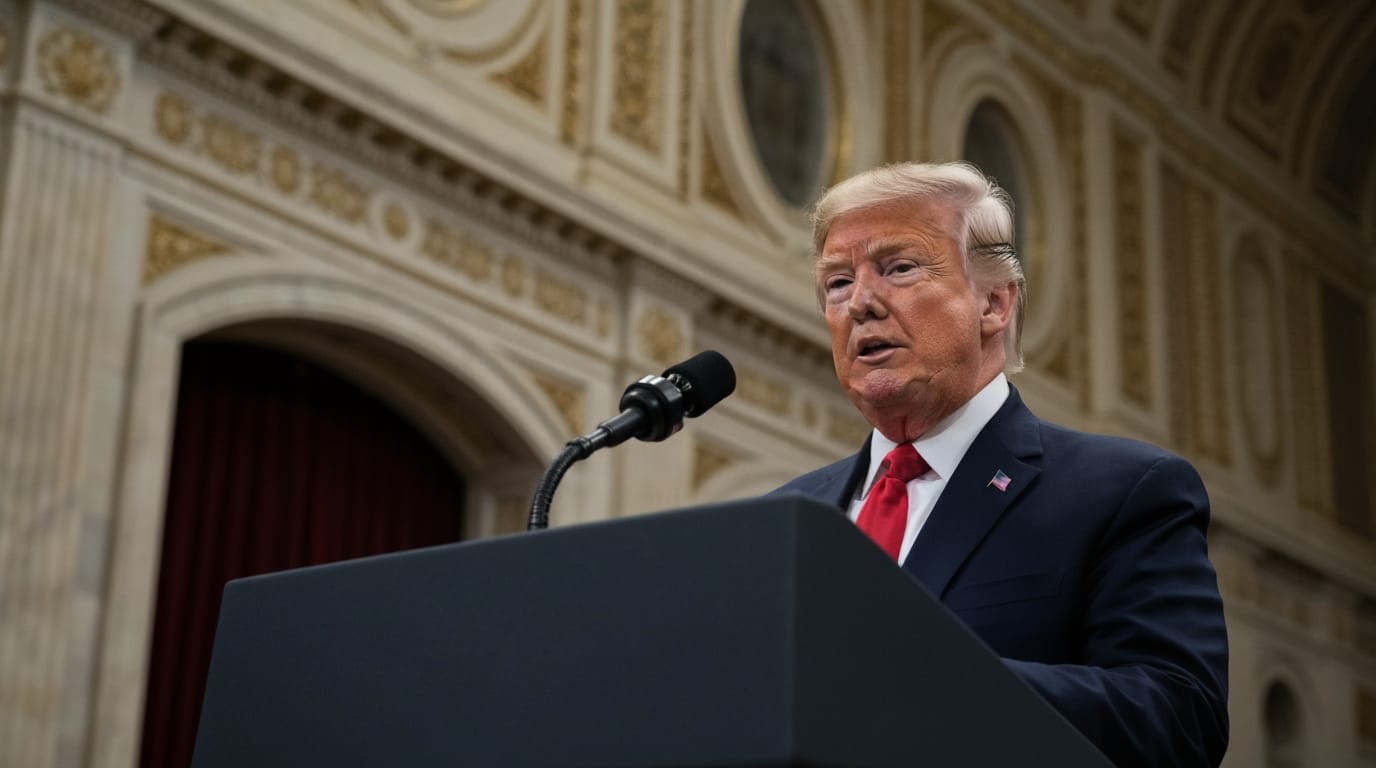
Washington D.C. — President Donald Trump delivered his third State of the Union address on February 4, 2020, presenting an optimistic vision of a "Great American Comeback" before a deeply divided Congress. The speech, lasting approximately 78 minutes, unfolded in the House Chamber just one day before the Senate was expected to vote on articles of impeachment against him, a backdrop that infused the evening with palpable tension and partisan friction.
A Nation Divided: The Impeachment Backdrop
The address occurred at a pivotal moment in American politics, with President Trump facing an impeachment trial in the Senate following charges of abuse of power and obstruction of Congress. House Speaker Nancy Pelosi, who had initiated the impeachment proceedings, sat directly behind the President, wearing the symbolic white favored by suffragettes. The evening commenced with an immediate visual sign of the deep partisan chasm: Pelosi extended a hand to President Trump, which he appeared to decline. Throughout the speech, Republican lawmakers frequently erupted in chants of "four more years," while many Democrats remained seated, offering tepid applause or visible signs of disapproval. Several Democratic members chose to skip the event entirely in protest. This stark contrast underscored the political polarization that defined the period, overshadowing what is traditionally a presidential call for unity.
Touting Economic Strength and Policy Achievements
President Trump centered his address on what he described as unprecedented economic prosperity under his administration, painting a picture of national resurgence. He declared the "state of our Union is stronger than ever before," citing a booming job market, soaring incomes, and historically low unemployment rates for African Americans, Hispanic Americans, and Asian Americans. The President asserted that his policies had reversed a mentality of American decline, leading to energy independence and a revitalization of the manufacturing sector. He highlighted new trade agreements, specifically the United States-Mexico-Canada Agreement (USMCA) and a phase-one deal with China, as evidence of his administration's success in renegotiating trade terms more favorable to American workers.
Beyond the economy, Trump addressed several other key policy areas. In healthcare, he vowed to protect patients with pre-existing conditions while simultaneously criticizing Democratic proposals, characterizing them as a "socialist takeover" that would eliminate private insurance. On immigration, he reaffirmed his commitment to border security and the ongoing construction of a wall along the U.S.-Mexico border, claiming it contributed to increased drug seizures and reduced illegal crossings. He also touched upon national security, emphasizing the rebuilding of the military and the establishment of the Space Force. Notably, the President largely avoided any direct mention of the ongoing impeachment proceedings against him, a decision that stood in contrast to the pervasive political climate.
Moments of Dramatic Spectacle
The address was interspersed with highly theatrical moments orchestrated by the White House, serving as poignant illustrations of the President's vision and priorities. In one memorable instance, Trump announced he was awarding conservative radio personality Rush Limbaugh the Presidential Medal of Freedom, the nation's highest civilian honor, during the speech itself. Limbaugh, who had recently announced a lung cancer diagnosis, appeared visibly surprised as First Lady Melania Trump presented him with the medal in the House chamber.
Other emotional highlights included a military family reunion, where a service member, Sgt. 1st Class Tony Rankins, was reunited with his wife and children in the gallery. The President also recognized a young girl with a scholarship to attend the school of her choice and lauded Charles McGee, a 100-year-old Tuskegee Airman who was promoted to Brigadier General. Another significant gesture was the introduction of Venezuelan opposition leader Juan Guaidó as a special guest, with President Trump publicly endorsing Guaidó as the "true and legitimate president of Venezuela" and condemning socialism. These carefully crafted moments aimed to underscore the themes of opportunity, freedom, and national strength.
Partisan Echoes and a Ripped Speech
The evening culminated in a highly symbolic act of protest. As President Trump concluded his speech, Speaker Pelosi stood and conspicuously tore up her copy of the address. When questioned, Pelosi stated it was "the courteous thing to do considering the alternative," describing the speech as "such a dirty speech." This action drew immediate and sharply divided reactions, with White House staff and Republican allies condemning it as disrespectful, while many Democrats defended it as a powerful statement against what they viewed as misrepresentations and divisive rhetoric.
The Democratic response, delivered by Michigan Governor Gretchen Whitmer, focused on kitchen-table issues, such as healthcare affordability, infrastructure, and access to education, presenting a contrasting narrative to President Trump's economic boasts. Whitmer highlighted Democratic efforts at the state level to expand healthcare coverage and emphasized concerns about stagnant wages for many Americans, despite positive top-line economic indicators.
Conclusion: A Pre-Election Rally Cry
President Trump's 2020 State of the Union address served as a potent, pre-election rally cry, framed by an ongoing impeachment trial and intense partisan divisions. While the President sought to project an image of unparalleled success and national resurgence, particularly through economic metrics and carefully curated emotional moments, the event was largely defined by the visual and verbal clashes between the executive and legislative branches. The address, watched by 37.2 million viewers, offered a preview of the arguments President Trump would leverage in his re-election campaign, setting a combative tone for the political year ahead and leaving a lasting impression of the polarized state of American governance.


