Trump Doubles Tariffs on Canadian Steel and Aluminum, Escalating Trade Tensions
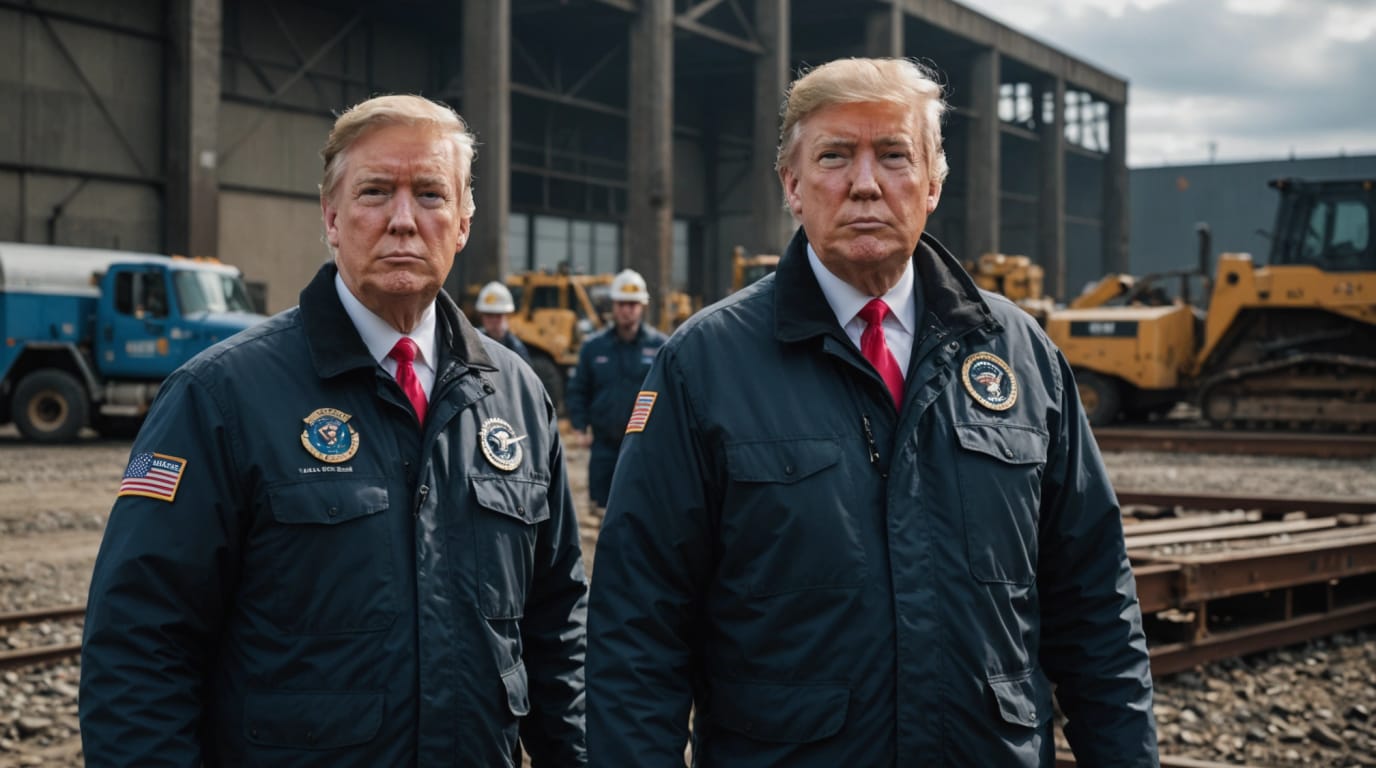
President Donald Trump announced Tuesday that he would double planned tariffs on Canadian steel and aluminum imports, raising them to 50%. The move, set to take effect Wednesday, intensifies an ongoing trade dispute between the United States and its northern neighbor and sent shockwaves through financial markets already reeling from economic uncertainty.
Retaliation for Ontario's Electricity Surcharge
Trump stated the tariff increase is a direct response to the Canadian province of Ontario's recent decision to impose a 25% surcharge on electricity exports to the United States. Taking to social media platform Truth Social, the president declared he instructed the Secretary of Commerce to implement the additional 25% tariff, bringing the total to 50% on all steel and aluminum entering the U.S. from Canada. He described Canada as "one of the highest tariffing nations anywhere in the world."
The states bordering Canada, including New York, Minnesota, and Michigan, are particularly affected by Ontario's electricity surcharge, adding another layer of complexity to the trade dispute.
Market Turmoil and Recession Fears
The announcement triggered an immediate selloff on Wall Street, reflecting investor anxiety over the escalating trade war and its potential impact on the U.S. economy. Concerns are mounting that the increased tariffs could further strain trade relations, potentially leading to a broader economic downturn. The stock market had already experienced a significant dip on Monday, fueled by worries about the administration's trade policies.
Economists and market analysts are closely watching the situation, assessing the likelihood of a recession and urging the administration to adopt a more stable economic growth strategy. The tariffs are seen by some as protectionist policies that could ultimately harm American businesses and consumers.
Calls for Canada to Become the 51st State
In a surprising move, President Trump reiterated his suggestion that Canada should become the 51st state of the United States. He argued that such a union would eliminate all tariffs and trade-related issues. "The only thing that makes sense is for Canada to become our cherished Fifty First State," Trump wrote. "This would make all Tariffs, and everything else, totally disappear."
He further claimed that Canadians would benefit from reduced taxes, increased security, and the elimination of border problems. However, the proposal has been met with strong opposition in Canada, where there is little appetite for relinquishing sovereignty.
Impact on Key Industries
The doubled tariffs are expected to have a significant impact on the steel and aluminum industries in both countries. Canadian producers will face higher costs to export their products to the U.S., potentially leading to reduced production and job losses. American manufacturers that rely on Canadian steel and aluminum may also see their costs increase, making them less competitive in the global market.
The tariffs could also affect other sectors, such as the automotive and construction industries, which heavily rely on steel and aluminum. Consumers may ultimately bear the burden of higher prices for goods that use these materials.
Awaiting Further Developments
The situation remains fluid, and it is unclear what steps Canada will take in response to the increased tariffs. The Canadian government has previously expressed its opposition to protectionist measures and has vowed to defend its economic interests. Negotiations between the two countries are ongoing, but the path forward remains uncertain. The tariffs are set to take effect on Wednesday, and their impact on the North American economy will be closely monitored in the days and weeks ahead.


