Trump Expresses Deep Doubt Over New Iranian Peace Proposal Amidst Escalating Conflict
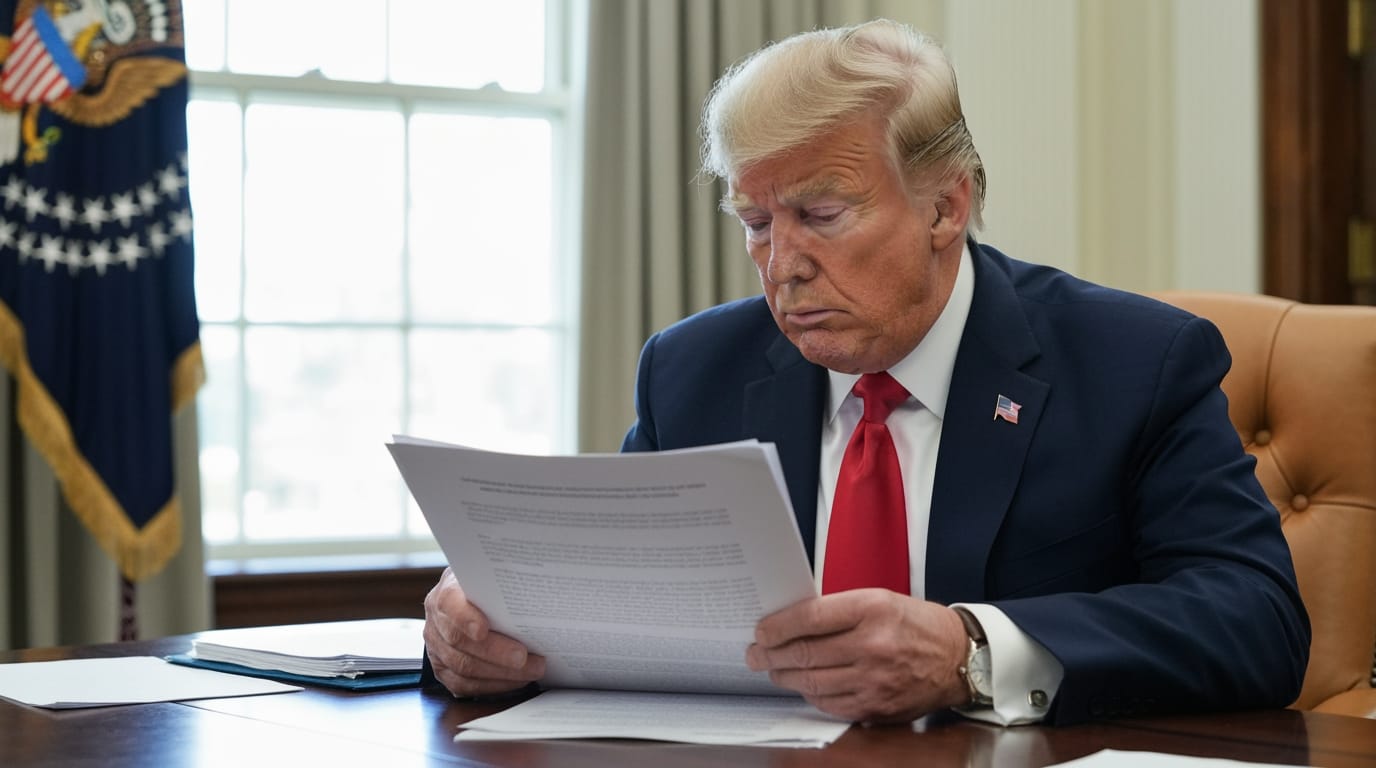
WASHINGTON D.C. – President Donald Trump voiced significant skepticism on Saturday regarding a new 14-point peace proposal submitted by Iran, signaling formidable hurdles for de-escalation efforts amidst an ongoing conflict that has entangled the United States, Israel, and the Islamic Republic. The president indicated he would review the plan but expressed strong reservations about its acceptability, emphasizing his view that Iran "has not yet paid a big enough price" for its past actions. This diplomatic overture comes as the region remains gripped by heightened tensions and active military engagements.
Tehran's Overture Meets Presidential Skepticism
The latest Iranian proposal, a 14-point document reportedly delivered to Washington via Pakistani mediators, seeks to establish a comprehensive framework to "end the war" across all fronts, including in Lebanon. It was presented as a response to an earlier nine-point U.S. proposal, according to semi-official Iranian news outlets. However, President Trump, speaking to reporters before departing for Florida, stated that while he was aware of the "concept" of the deal, he had not yet seen its exact wording. His public remarks, including a post on social media, underscored a profound lack of optimism, suggesting that the terms were unlikely to be acceptable. He further hinted at the possibility of renewed military strikes against Iran should they "misbehave," maintaining a posture of military readiness despite current diplomatic engagement. This follows his rejection of a previous Iranian proposal earlier in the week, though conversations have reportedly continued.
A Conflict's Grip: Blockade and Cross-Border Strikes
The backdrop for this exchange is a volatile "Iran war," which has seen direct military involvement from the United States and Israel since February 2026, reportedly with a stated goal of regime change in Tehran. A three-week ceasefire has been in effect, yet both sides have accused the other of violations. A key element of the current U.S. strategy involves a naval blockade of Iranian ports, implemented since April 13, which aims to cripple Iran's economy by cutting off oil revenues. The U.S. Central Command has reportedly redirected dozens of commercial ships, and the U.S. has issued warnings that shipping companies could face sanctions for making payments to Iran for passage through the strategically vital Strait of Hormuz. President Trump controversially described this blockade as "very friendly" when addressing congressional leaders, to whom he had also communicated that "hostilities" with Iran had "terminated" to meet a 60-day deadline under a law limiting unauthorized military force.
Iran's Demands and the Diplomatic Impasse
Details emerging from Iranian news agencies suggest Tehran's 14-point proposal includes robust demands. These encompass security guarantees against future attacks, the withdrawal of U.S. forces from surrounding regions, the lifting of naval restrictions and blockades, and the release of frozen Iranian assets. Furthermore, Iran seeks compensation for damages incurred from sanctions and military pressure, a complete removal of all U.S. and international sanctions, and a new, Iran-controlled mechanism for governance of the Strait of Hormuz to ensure stable maritime flows. The proposal explicitly rejects any temporary truce, pushing instead for a permanent resolution within 30 days. This uncompromising stance appears to be a significant point of contention for the U.S. leadership, which has expressed dissatisfaction with what it perceives as unacceptable concessions sought by Tehran. Meanwhile, regional tensions persist, with ongoing Israeli airstrikes in southern Lebanon leading to casualties and damage, even amidst the broader ceasefire, indicating continued clashes between Israel and Iranian-backed Hezbollah.
A History of Distrust and Renewed Conflict
The current state of affairs is deeply rooted in a history of escalating animosity between the two nations, particularly throughout the previous Trump administration (2017-2021). During that period, the U.S. unilaterally withdrew from the Joint Comprehensive Plan of Action (JCPOA), commonly known as the Iran nuclear deal, in 2018. This withdrawal was followed by a "maximum pressure" campaign, imposing over 1,500 sanctions aimed at crippling Iran's economy and forcing it to renegotiate a more stringent agreement. Tensions further intensified with incidents like attacks on oil tankers and the assassination of top Iranian General Qassem Soleimani in 2020. These events set the stage for the dramatic shift in U.S.-Iran relations that culminated in the direct military conflict launched in February 2026, marking a new, more confrontational phase in the long-standing geopolitical rivalry.
The exchange of peace proposals, despite their seemingly irreconcilable terms and the deep mistrust on both sides, underscores the precarious diplomatic tightrope being walked amidst active hostilities. With the U.S. president publicly casting doubt on the viability of Iran's latest plan, the path to a lasting resolution remains fraught with significant challenges and the persistent threat of further escalation.


