Trump Expresses Fury at Putin Over Ukraine, Threatens New Tariffs
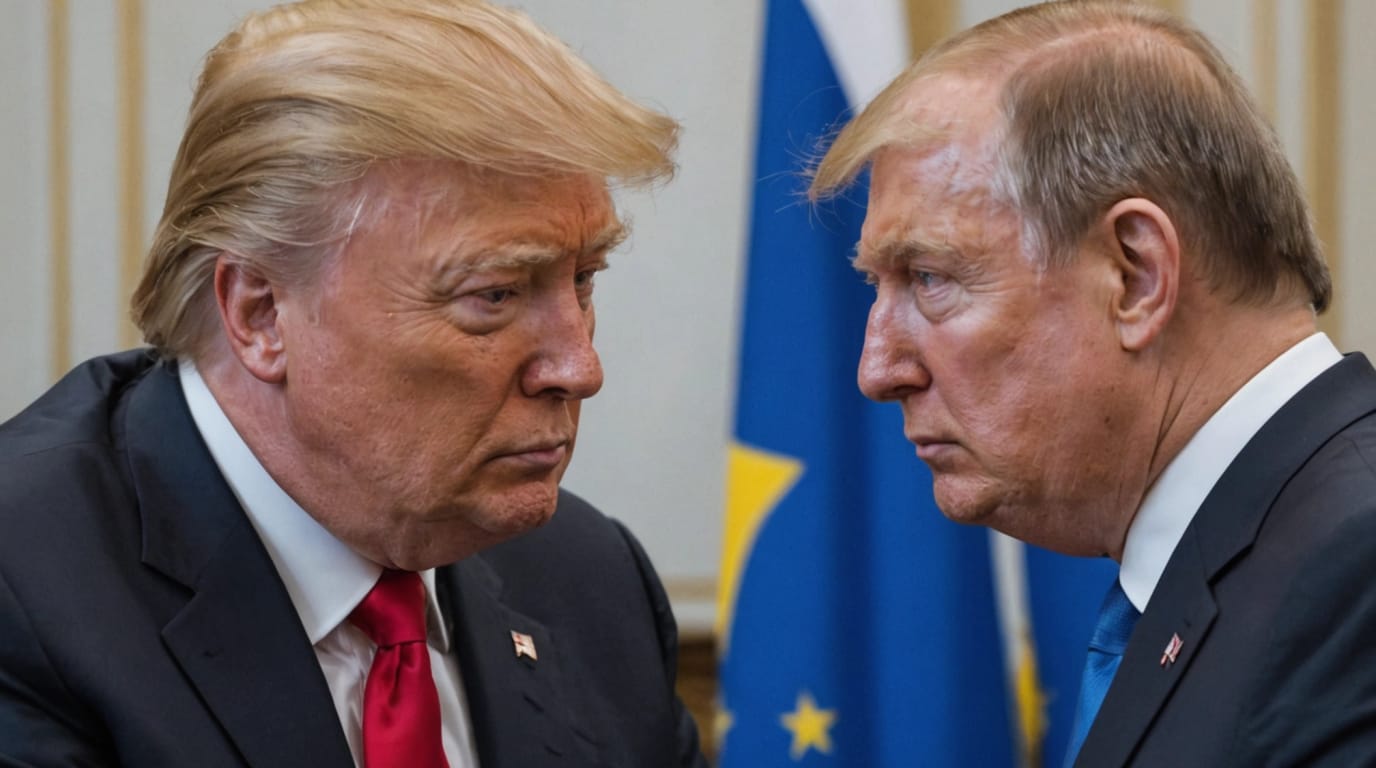
WASHINGTON - President Donald Trump voiced strong disapproval of Russian President Vladimir Putin's recent statements regarding the future of Ukraine's leadership, marking a potential shift in the dynamic between the two leaders as the war in Ukraine continues. Trump, in a phone call Sunday with NBC News, said he was "very angry, pissed off" at Putin for questioning Ukrainian President Volodymyr Zelensky's legitimacy and suggesting the need for new leadership in Kyiv.
The shift in tone comes as the Trump administration has struggled to broker a ceasefire between Russia and Ukraine, a key foreign policy objective since Trump's return to office. Negotiations have so far failed to produce a lasting resolution, with both sides accusing the other of stalling progress. Putin's recent remarks, specifically his call for a transitional government in Ukraine, appear to have been a breaking point for Trump, who has previously faced criticism for being perceived as too lenient towards the Russian leader.
Tariff Threat Against Russian Oil
In a direct response to Putin's comments and the stalled peace talks, Trump threatened to impose "secondary tariffs" on all oil coming out of Russia. He told NBC News that if a deal to stop the bloodshed in Ukraine cannot be reached, and if he believes Russia is at fault, he will enact the tariffs. Trump elaborated that this would mean a 25% tariff, potentially rising to 50%, on all Russian oil, effectively preventing any entity purchasing Russian oil from doing business in the United States.
This threat represents a significant escalation in economic pressure, as Russia relies heavily on oil exports. The potential tariffs could severely impact the Russian economy and potentially force Putin to reconsider his stance on the peace negotiations. The U.S. has recently employed tariffs as a tool to influence international policy, including actions taken against Canada and Mexico.
Putin's Stance on Zelensky
Putin's criticism of Zelensky and his government has been a recurring theme in recent weeks. The Russian president has questioned Zelensky's legitimacy and called for new elections, moves seen by many as attempts to destabilize Ukraine and undermine its sovereignty. These statements, coupled with Russia's continued military offensive, have fueled skepticism about Moscow's commitment to a peaceful resolution.
Trump's anger stems from Putin's questioning of Zelensky's credibility, especially considering Trump himself has, in the past, referred to Zelensky as a "dictator." This apparent contradiction highlights the complexities of the relationship between the three leaders and the challenges in finding common ground.
Impact on Ukraine
The ongoing conflict in Ukraine has had devastating consequences for the country and its people. Recent reports detail continued attacks, including strikes on a military hospital in Kharkiv, resulting in casualties and further straining the country's resources. Ukraine has accused Russia of deliberately prolonging the talks while intensifying its military campaign.
Despite the challenges, Ukrainian officials have expressed a commitment to finding a peaceful resolution, but they also insist on maintaining their sovereignty and territorial integrity. The potential for increased U.S. support, in the form of economic pressure on Russia, could provide Ukraine with additional leverage in the negotiations.
Future of Negotiations
The coming days will be crucial in determining whether Trump's shift in tone will translate into meaningful progress in the peace talks. Trump indicated that he plans to speak with Putin again soon, suggesting a potential for direct engagement to address the current impasse. However, the success of these talks will depend on both sides' willingness to compromise and find a mutually acceptable path forward.
The international community is closely watching the situation, with many hoping that a resolution can be reached to end the conflict and prevent further suffering. The stakes are high, not only for Ukraine and Russia but also for global stability and the future of international relations.
Conclusion
President Trump's expression of anger towards President Putin and his threat of new tariffs on Russian oil inject a new level of uncertainty into the already complex situation surrounding the war in Ukraine. Whether this marks a genuine turning point in the relationship between the two leaders, and whether it will lead to a breakthrough in the stalled peace negotiations, remains to be seen. The coming days will be critical in determining the future course of the conflict and the potential for a peaceful resolution. The world awaits to see if Trump's tough talk will translate into concrete action and a tangible path towards peace in Ukraine.


