Trump Orders Pause on U.S. Military Aid to Ukraine Amid Tensions
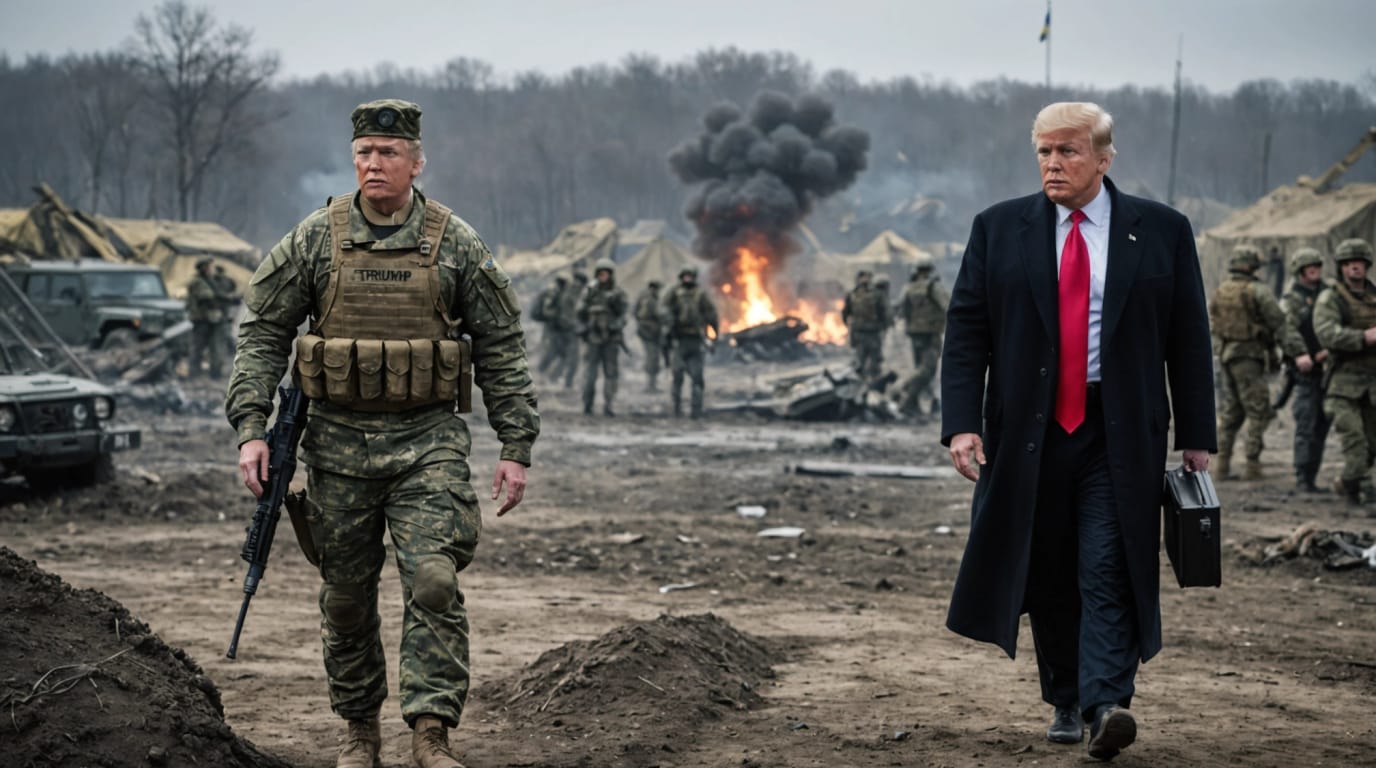
WASHINGTON (AP) — President Donald Trump has directed a "pause" on all U.S. aid to Ukraine, a move designed to pressure Ukrainian President Volodymyr Zelenskyy into engaging in peace negotiations with Russia. The decision, announced Monday, follows a tense and reportedly acrimonious meeting between Trump and Zelenskyy at the White House last week, marking a significant shift in U.S. policy toward the Eastern European nation.
The halt in aid comes as the war in Ukraine enters its fourth year, with no clear end in sight. The U.S. has been a major provider of military and financial assistance to Ukraine since the start of the conflict, contributing over $180 billion to Kyiv's defense. The sudden pause raises concerns about the future of Ukraine's ability to resist Russian aggression and its long-term stability.
White House Justification
A White House official, speaking on condition of anonymity, stated that Trump is focused on achieving a peace agreement between Ukraine and Russia. The official said the pause in aid is intended to ensure that U.S. assistance is "contributing to a solution" and that Zelenskyy is "committed" to the negotiation process. The official added that the U.S. is "pausing and reviewing" its aid to Ukraine. The order will remain in effect until Trump determines that Ukraine has demonstrated a commitment to peace negotiations with Russia.
This justification echoes Trump's long-held desire to broker a deal to end the conflict, a promise he made during his campaign. He has repeatedly expressed frustration with the ongoing war and has suggested that a resolution could be reached quickly if both sides were willing to compromise.
Contentious Meeting Preceded Aid Freeze
The decision to halt aid was reportedly triggered by a heated exchange between Trump and Zelenskyy during a meeting at the White House on Feb. 28. Sources familiar with the meeting described a tense atmosphere, with Trump and Vice President J.D. Vance criticizing Zelenskyy for what they perceived as a lack of gratitude for the substantial U.S. assistance. The meeting ended abruptly, with White House officials asking Zelenskyy and the Ukrainian delegation to leave.
The clash underscores the growing divide between the two leaders and raises questions about the future of the U.S.-Ukraine relationship. It also highlights the challenges Trump faces in persuading Zelenskyy to negotiate with Russia, given the deep-seated animosity and the significant territorial losses Ukraine has suffered.
Implications for Ukraine
The suspension of U.S. military aid poses a serious threat to Ukraine's ability to defend itself against Russian aggression. The U.S. has provided Ukraine with critical weapons, equipment, and training, which have been essential in slowing Russia's advance. Without this support, Ukraine could face significant setbacks on the battlefield, potentially leading to further territorial losses and a weakening of its negotiating position.
The aid freeze also comes at a critical time for Ukraine's economy, which has been severely damaged by the war. U.S. financial assistance has helped to stabilize the Ukrainian economy and provide essential services to its citizens. A prolonged suspension of aid could lead to economic instability and social unrest, further undermining Ukraine's ability to resist Russian pressure.
Echoes of the Past
This is not the first time Trump has been accused of using U.S. aid to pressure Ukraine. In 2019, he withheld congressionally approved military assistance to Ukraine while allegedly pressuring Zelenskyy to investigate then-presidential candidate Joe Biden. That incident led to Trump's first impeachment by the House of Representatives.
The current suspension of aid has drawn comparisons to the 2019 scandal, with critics accusing Trump of once again using U.S. foreign policy for personal or political gain. The move is likely to face scrutiny from Congress, where some members have already expressed concern about the potential impact on Ukraine's security and stability.
International Reaction
The decision to halt aid has been met with concern and criticism from U.S. allies in Europe, who fear that it will embolden Russia and undermine efforts to resolve the conflict peacefully. Some European leaders have called on Trump to reconsider his decision and to reaffirm U.S. commitment to Ukraine's sovereignty and territorial integrity.
The Russian government has so far refrained from commenting on the aid suspension, but it is likely to view the move as a positive development. Russia has long sought to weaken U.S.-Ukraine relations and to undermine Western support for Kyiv.
The pause in U.S. military aid to Ukraine marks a significant turning point in the conflict and raises serious questions about the future of the U.S.-Ukraine relationship. While the Trump administration argues that the move is intended to promote peace negotiations, critics fear that it will only weaken Ukraine and embolden Russia. The long-term consequences of this decision remain to be seen, but it is clear that it will have a profound impact on the war in Ukraine and the broader geopolitical landscape.


