Trump Outlines "America First" Vision in Address to Joint Session of Congress
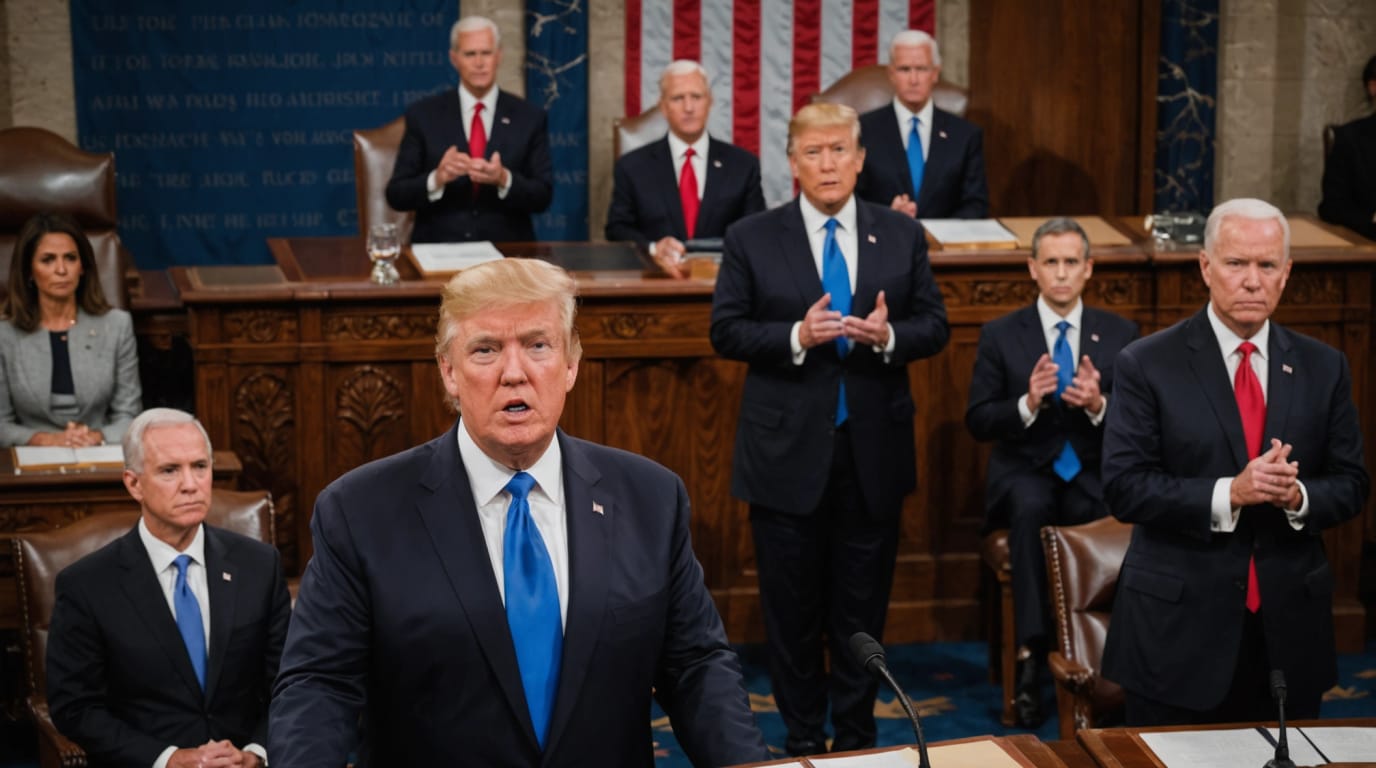
WASHINGTON - President Donald Trump addressed a joint session of Congress Tuesday night, marking his first speech before both chambers since returning to office six weeks ago. The address, delivered at 9 p.m. ET, served as an opportunity for the president to outline his "America First" vision and agenda for the nation, covering key policy areas including the economy, immigration, and foreign policy.
The speech comes at a critical juncture, as Congress faces deadlines to pass new government funding and work towards a budget bill that aligns with the president's priorities. The address, while not technically a State of the Union, carries similar weight, allowing the president to directly communicate his goals and priorities to lawmakers and the American public.
Setting the Stage: A Divided Nation
President Trump's address occurred against a backdrop of political division. Recent polls indicate a split in public opinion regarding his job performance. While his support is reportedly higher than at any point during his first term, disapproval remains significant. This divide underscores the challenge facing the president as he seeks to garner support for his policies across the political spectrum.
Speaker of the House Mike Johnson extended the invitation to President Trump in January, formally requesting that he address Congress and share his vision for the future. This invitation aligns with tradition, as presidents typically address a joint session of Congress early in their term to lay out their agenda.
Key Policy Areas Addressed
Senior administration officials indicated that the president's speech would focus on several key areas.
- The Economy: The president is expected to highlight his administration's efforts to stimulate economic growth, potentially focusing on job creation, trade policies, and tax reforms.
- Immigration: Immigration policy remains a central focus for the Trump administration. The president is likely to reiterate his commitment to border security and stricter immigration enforcement.
- Foreign Policy: The address provided a platform for the president to articulate his foreign policy objectives, potentially addressing ongoing international conflicts, trade agreements, and relationships with key allies and adversaries.
Historical Context: Joint Address vs. State of the Union
While often mistaken for the annual State of the Union address, the speech delivered Tuesday night was technically a "joint address to Congress." The distinction dates back to President Ronald Reagan's first term. The Constitution mandates that the president update Congress and recommend policies, but it does not specify the timing of such an address. The joint address serves as an early opportunity for a new or returning president to communicate their agenda.
Reactions and Responses
Following the president's address, various responses were planned. PBS News provided live coverage and analysis, featuring perspectives from political analysts and correspondents. Senator Elissa Slotkin of Michigan delivered the Democratic response, while Representative Lateefah Simon of California offered the progressive response. These responses provide contrasting viewpoints and critiques of the president's proposals.
Conclusion: A Vision for the Future
President Trump's address to the joint session of Congress represents a significant moment in his second term. By outlining his policy priorities and vision for the country, he aimed to set the tone for the upcoming legislative session and rally support for his agenda. The success of his proposals will depend on his ability to bridge political divides and garner support from both sides of the aisle. The coming weeks will reveal the extent to which he can translate his vision into concrete policy changes.


