Trump Postpones China Trip Amid Escalating US-Israel War on Iran
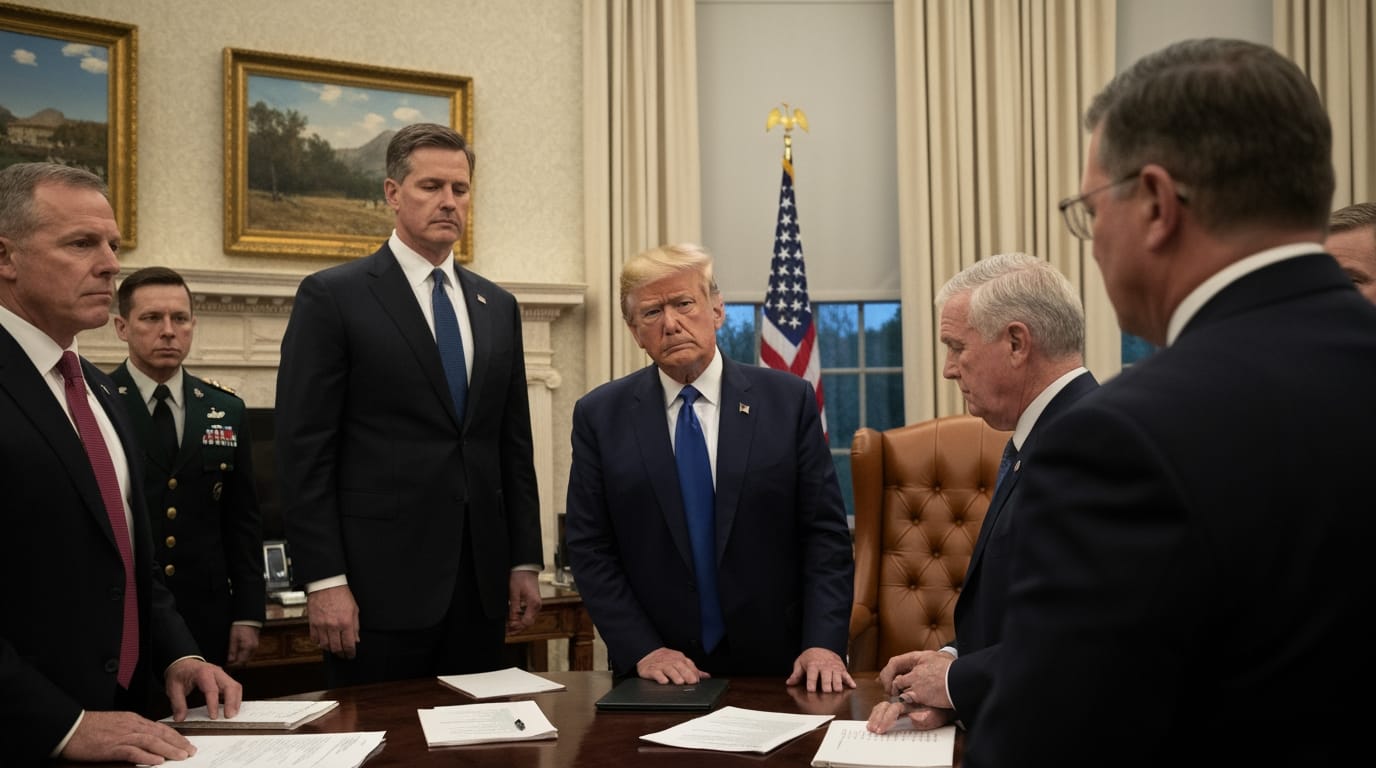
Washington D.C. – President Donald Trump has announced the postponement of his highly anticipated trip to China, citing the ongoing US-Israeli military campaign against Iran. The decision, revealed on Monday, March 16, 2026, underscores the profound global impact of the rapidly escalating conflict in the Middle East, now entering its third week. The planned summit with Chinese President Xi Jinping, originally slated for March 31 to April 2, was intended to address persistent trade tensions and reset relations between the world's two largest economies. However, the exigencies of war have forced a recalibration of the President's diplomatic agenda, shifting immediate focus to the volatile situation in the Persian Gulf.
The delay comes as the US and Israel continue a concerted military effort against Iran, which began with surprise airstrikes on February 28, 2026. The conflict has seen large-scale assaults targeting Iranian military assets and leadership, including the reported killing of Supreme Leader Ayatollah Ali Khamenei. In retaliation, Iran has launched missile and drone strikes against Israel, US bases, and allied countries in the region, intensifying fears of a broader regional conflagration. The Strait of Hormuz, a critical global shipping lane through which a fifth of the world's oil usually transits, has been functionally blocked by Tehran, leading to soaring oil prices and significant disruptions to international trade.
Middle East Engulfed: The Iran Conflict Intensifies
The current hostilities represent a dramatic escalation of long-standing tensions in the Middle East. On February 28, 2026, the United States and Israel initiated joint airstrikes across Iran, targeting multiple sites and cities. The operation led to the deaths of numerous Iranian officials, including Supreme Leader Ali Khamenei, whose son Mojtaba Khamenei was later appointed to an Interim Leadership Council. The declared objectives of the US and Israeli forces have varied, ranging from deterring an imminent Iranian threat and pre-empting retaliation to destroying Iran's missile and military capabilities, preventing nuclear weapon acquisition, and even achieving regime change.
Iran's response has been swift and robust, with missile and drone attacks aimed at Israel, US military facilities, and US-allied nations in the Gulf. This retaliatory action has further destabilized the region, with incidents reported in Iraq, Jordan, and other Gulf states. The conflict has also spilled over into Lebanon, where escalation between Hezbollah and Israel has led to a new war, according to some analyses. Amidst the chaos, the Iranian closure of the Strait of Hormuz has triggered a global energy shock, prompting international bodies to release strategic oil reserves. President Trump has characterized the situation as an "excursion," claiming that Iran is being rapidly "put out of business."
Diplomatic Repercussions and Global Appeals
President Trump explained his decision to delay the China visit by emphasizing his critical role on the home front during wartime. "We've got a war going on. I think it's important that I be here," Trump told reporters. This personal involvement reflects a pattern in his foreign policy, which often prioritizes immediate challenges and domestic considerations. White House Press Secretary Karoline Leavitt affirmed that ensuring the success of "Operation Epic Fury" is the President's "number-one priority."
The requested delay, which China's foreign ministry spokesperson Lin Jian confirmed was under communication, highlights the intricate web of global dependencies. Trump has also pressed numerous nations, including China, Japan, South Korea, Britain, and France, to dispatch warships to help reopen the Strait of Hormuz. He argued that countries whose economies are heavily reliant on the strait, particularly China which imports a significant portion of its oil through this waterway, should contribute to securing it. However, this call for international assistance has largely been "rebuffed," with many allies expressing reluctance to be drawn into the wider conflict. European leaders, for instance, have stated that this is "not Europe's war" and they were not consulted on its initiation.
Trump's Geopolitical Chessboard: China and Domestic Pressures
The postponement of the China trip carries significant weight beyond the immediate crisis in the Middle East. The US-China relationship has been strained by a protracted trade war, with the second Trump administration escalating tariffs. In 2025, a significant surge in tariffs saw the US imposing a 145% tariff on Chinese goods, leading to China's retaliatory 125% tariff on American goods. A temporary truce in October 2025 offered a brief reprieve, but a planned high-stakes summit in Beijing was intended to navigate the next phase of this economic conflict. The delay risks magnifying these tensions, as the Iran war now intertwines with existing trade and geopolitical issues like Taiwan.
Domestically, the war has sparked considerable debate and public scrutiny. While President Trump continues to assert a strong stance against Iran, his approach has generated mixed reactions. Vice President JD Vance, for instance, is reportedly skeptical of the US-Israeli attack on Tehran, reflecting potential fissures within the administration. Public opinion polls indicate growing disapproval of Trump's handling of Iran, particularly among Independents, with a majority of Americans expressing opposition to the war and a desire to prioritize a swift end to the conflict. The war's mounting costs and casualties, including US service members, have also fueled concerns, raising questions about the administration's strategy and the long-term implications of its "America First" foreign policy.
An Interconnected World in Flux
The decision to delay a pivotal diplomatic engagement with China due to military actions in the Middle East underscores the interconnected nature of contemporary global challenges. President Trump's foreign policy, characterized by an aggressive stance towards perceived adversaries like Iran and a transactional approach to allies and rivals, continues to reshape the international landscape. While the precise timing of a rescheduled meeting with President Xi remains uncertain, analysts suggest further rounds of negotiations will be necessary to manage the complex interplay of trade disputes, regional conflicts, and the broader global balance of power.
The ongoing conflict in Iran, with its severe economic repercussions and significant human cost, has demonstrably upended the diplomatic calendar and introduced a new layer of unpredictability into international relations. As Washington navigates the immediate demands of war, the ripple effects on its strategic relationships with key global players, particularly China, will continue to unfold, defining a new era of geopolitical uncertainty. The outcome of these intertwined crises will undoubtedly leave a lasting imprint on the global order for years to come.


