Trump-Putin Phone Call Yields Limited Progress on Ukraine, Sparks Debate
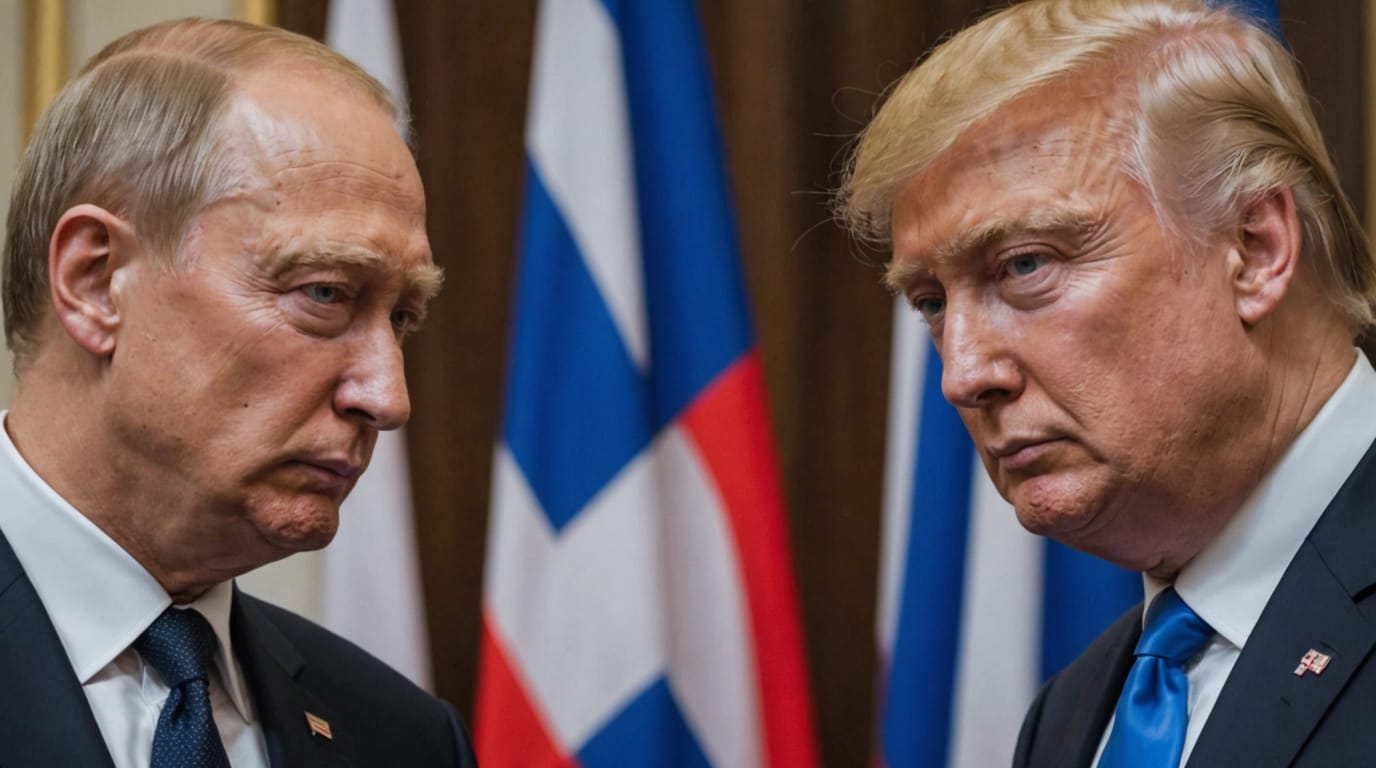
WASHINGTON — A recent phone call between U.S. President Donald Trump and Russian President Vladimir Putin, estimated to have lasted over 90 minutes on Tuesday, March 18, 2025, has yielded a limited agreement on a ceasefire in Ukraine, while also igniting discussions about the future of U.S.-Russia relations and the broader implications for global security. While both sides characterized the conversation as productive, significant disagreements remain, particularly regarding the conditions for a lasting peace.
Ceasefire on Energy Infrastructure
The most concrete outcome of the call was an agreement to implement a 30-day ceasefire specifically targeting energy infrastructure in Ukraine. According to the White House, this agreement aims to halt attacks on the power grid, which have been a major source of hardship for Ukrainian civilians. The Kremlin confirmed that Putin had instructed the Russian military to comply with this limited ceasefire.
However, this agreement falls short of a comprehensive ceasefire. Putin has resisted calls for a broader cessation of hostilities, instead demanding a "complete cessation" of foreign military aid and intelligence sharing with Ukraine as a precondition for any lasting peace. This demand, which was included in the Kremlin's readout of the call but not explicitly mentioned in the initial White House statement, has been met with skepticism from European leaders and condemnation from Ukrainian officials.
Differing Perspectives on the Path to Peace
The White House described the call as the first step in a "movement to peace," envisioning future negotiations on a maritime ceasefire in the Black Sea and, ultimately, a full and lasting end to the war. However, the Kremlin's emphasis on halting foreign aid to Ukraine suggests a fundamentally different vision of a potential settlement.
Putin's insistence on ending military assistance to Ukraine has raised concerns among some observers that Russia's goal remains to weaken Ukraine and force it to accept unfavorable terms. Some European leaders have voiced skepticism about Putin's commitment to a genuine peace deal, arguing that Russia's ultimate objective is to achieve "total domination" of Ukraine.
Ukrainian President Volodymyr Zelenskyy, while agreeing to speak with President Trump, has already stated that he does not believe that any concessions should be made regarding assistance to Ukraine, and that assistance should be increased.
Implications for U.S.-Russia Relations
Beyond the immediate issue of the conflict in Ukraine, the Trump-Putin call has also reignited discussions about the overall state of U.S.-Russia relations. The White House statement emphasized the potential for improved bilateral ties, including "enormous economic deals" and "geopolitical stability." The Kremlin echoed this sentiment, expressing a "mutual interest" in normalizing relations.
However, any potential rapprochement between Washington and Moscow is likely to face significant obstacles. Russia's ongoing aggression in Ukraine, its interference in past U.S. elections, and its human rights record continue to be major sources of tension.
Some analysts believe that President Trump's desire to improve relations with Russia is driven by a broader strategy of countering China's growing influence. By seeking to draw Russia closer to the United States, the Trump administration may hope to weaken the emerging Sino-Russian partnership.
Reactions and Analysis
The Trump-Putin phone call has elicited a range of reactions from lawmakers and experts. Republican lawmakers have generally praised President Trump's engagement with Putin, contrasting it with what they see as a lack of diplomatic effort by the previous administration. Some have hailed the agreement on a limited ceasefire as a sign of progress.
However, Democratic lawmakers have expressed concern about the potential for President Trump to make concessions to Russia at the expense of Ukraine's sovereignty and security. Some have criticized the White House for downplaying Putin's demand for an end to military aid to Ukraine.
Experts are divided on the significance of the call. Some believe that it represents a genuine opportunity to de-escalate the conflict in Ukraine and improve U.S.-Russia relations. Others are more skeptical, arguing that Putin is simply seeking to exploit President Trump's desire for a deal in order to advance Russia's own interests.
Prisoner Exchange
The Kremlin's readout also highlighted a planned prisoner exchange between Russia and Ukraine, scheduled for March 19, involving 175 people on each side, along with an additional 23 seriously wounded Ukrainian servicemen as a goodwill gesture. While prisoner exchanges have occurred previously, their connection to ceasefire discussions is notable.
Future Prospects
The long-term impact of the Trump-Putin phone call remains to be seen. While the agreement on a limited ceasefire on energy infrastructure is a welcome step, significant obstacles remain to achieving a lasting peace in Ukraine and a more stable relationship between the United States and Russia. The success of future negotiations will depend on the willingness of both sides to compromise and address each other's legitimate concerns. However, given the deep-seated mistrust and conflicting interests that divide Washington and Moscow, the path ahead is likely to be long and difficult.


