Trump Signals Deeper Cuts to U.S. Troop Presence in Germany, Fueling Transatlantic Tensions
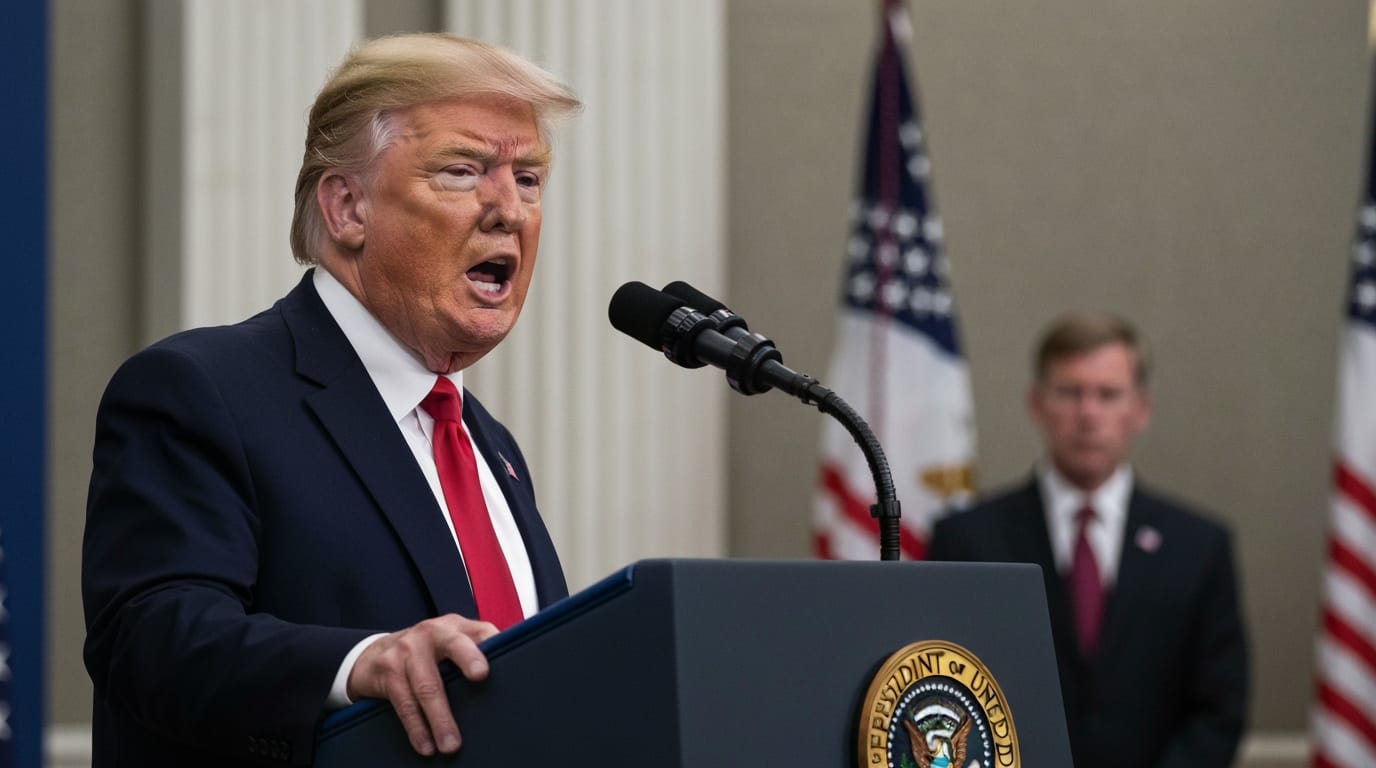
West Palm Beach, FL – In a move poised to significantly reshape transatlantic security arrangements, former President Donald Trump announced plans to reduce the United States' military presence in Germany "a lot further" than an initial 5,000-troop withdrawal, escalating an ongoing dispute with German Chancellor Friedrich Merz. This statement, made Saturday in Florida, signals a potential dramatic shift in U.S. foreign policy and has immediately drawn concern from allies and bipartisan criticism within the U.S. Congress.
The pronouncement comes amid heightened friction between Washington and Berlin, primarily concerning European allies' support for U.S.-led operations. The implications of a substantial troop reduction extend beyond mere logistics, touching upon long-standing geopolitical alliances, economic impacts, and the delicate balance of power in Europe.
Initial Drawdown and Historical Context
The Pentagon had previously announced on Friday its intention to pull approximately 5,000 troops from Germany over the next six to twelve months. This initial withdrawal represents roughly one-seventh of the approximately 36,400 U.S. active-duty military personnel stationed in the country as of December 2025. Germany currently hosts the largest contingent of American forces in Europe.
This is not the first time such a reduction has been proposed. During his previous term, Mr. Trump had planned to withdraw 9,500 troops from Germany, a process that was ultimately halted by President Joe Biden's administration upon taking office in 2021. Mr. Trump has consistently criticized Germany and other NATO allies for what he perceives as insufficient defense spending, often arguing that the U.S. bears an disproportionate share of the alliance's financial burden.
The U.S. military presence in Germany is a legacy of post-World War II occupation and the subsequent Cold War, where American forces served as a critical deterrent against Soviet aggression. From a peak of around 250,000 troops in 1989, the numbers have steadily declined, evolving from a defense against Soviet expansion to a "forward presence" facilitating U.S. operations across Europe, Africa, and the Middle East. Major installations like Ramstein Air Base serve as vital logistics hubs for these global deployments.
The "A Lot Further" Declaration and Its Immediate Triggers
Speaking to reporters, Mr. Trump did not elaborate on the specific numbers or rationale behind his decision to pursue cuts beyond the 5,000 figure. He simply stated, "We're going to cut way down. And we're cutting a lot further than 5,000."
The decision appears to be closely linked to recent diplomatic tensions. Mr. Trump has expressed growing frustration with European allies, accusing them of failing to provide adequate support for his administration's campaign with Israel against Iran. Earlier in the week, German Chancellor Merz had publicly criticized the U.S. approach to the conflict, remarking that Washington was being "humiliated" in negotiations. Mr. Trump reportedly responded by questioning Merz's understanding of the situation and threatened to impose 25 percent tariffs on cars and trucks from the European Union, a measure that would particularly impact Germany's automotive industry. These actions underscore a transactional view of alliances, where military presence and trade policies are intertwined with perceived levels of allied cooperation.
Repercussions Across the Alliance
The announcement has elicited a range of responses from both sides of the Atlantic, highlighting deep divisions and concerns for regional stability.
German Defense Minister Boris Pistorius acknowledged that a U.S. troop withdrawal was "anticipated," but he also underscored the mutual benefits of the American military presence for both nations. He reiterated the growing imperative for European nations to assume greater responsibility for their own defense. In a significant development, Germany has indeed stepped up its defense commitments, exceeding NATO's target of spending 2% of its GDP on defense in 2025 for the first time since 1990. Germany's military spending saw a 24% year-over-year increase, reaching $114 billion, making it the largest military spender among European NATO countries. The country aims to build the "strongest conventional army in Europe" by 2039.
In Washington, the proposed troop reductions have faced bipartisan resistance. Both Democrats and Republicans have voiced concerns that such a move could send a "wrong signal" to Russia, particularly given its ongoing full-scale invasion of Ukraine, which recently entered its fifth year. Republican leaders, including Senator Roger Wicker and Representative Mike Rogers, have urged that any relocated forces be moved to Eastern Europe rather than withdrawn entirely from the continent, to maintain a strong deterrent.
NATO has indicated it is working to understand the full implications of the U.S. decision. Polish Prime Minister Donald Tusk warned that the transatlantic alliance itself risks disintegration, calling on member states to reverse what he termed a "disastrous trend." Beyond the immediate military impact, the presence of U.S. bases has also provided a significant economic boost to local German communities, creating jobs and fostering local commerce.
A Shifting Strategic Landscape
The prospect of further U.S. troop reductions in Germany signals a potential re-evaluation of America's long-standing security commitments in Europe. For decades, the presence of U.S. forces has been a cornerstone of NATO's collective defense, providing both military capability and a tangible symbol of transatlantic solidarity.
Should these deeper cuts materialize, they would likely compel European nations to accelerate efforts toward greater defense autonomy. While Germany has already demonstrated a significant increase in its military budget and a renewed commitment to its own defense capabilities, a more pronounced U.S. withdrawal could place added strain on European resources and political cohesion. The long-term implications for NATO's operational effectiveness and its role in global security remain a subject of intense debate and concern among alliance members and international observers. The unfolding situation underscores a pivotal moment in transatlantic relations, potentially ushering in a new era for European security.


