Trump Signals Imminent End to Iran Conflict, Citing Two-to-Three Week Withdrawal Timeline Amid Escalating Hostilities
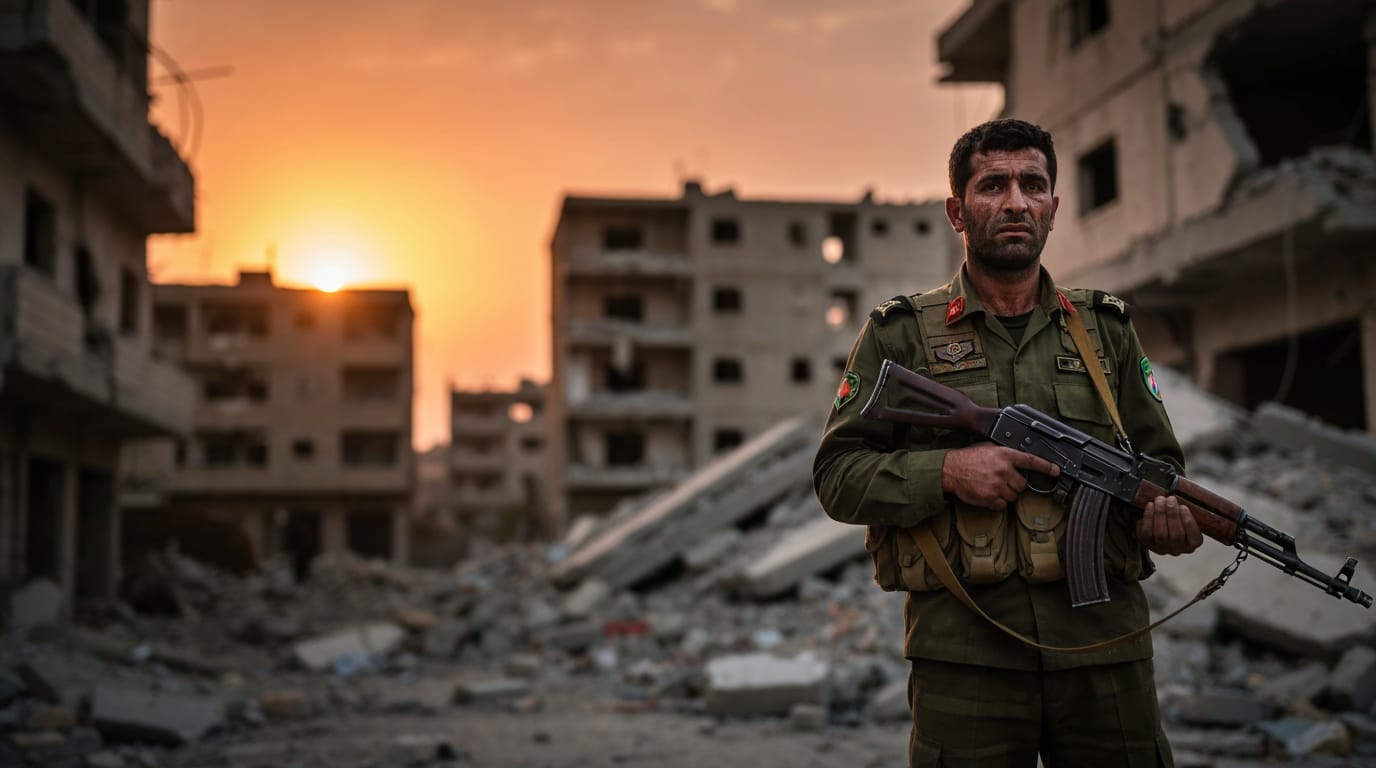
Washington, D.C. – President Donald Trump has indicated the United States will conclude its military involvement in the ongoing conflict with Iran within the next two to three weeks, a declaration that comes as the region grapples with intensified warfare, significant casualties, and profound economic disruption. The pronouncement, made during a period of active U.S. and Israeli aerial campaigns against Iran and Iranian retaliatory strikes, introduces a new layer of anticipation and uncertainty to a volatile geopolitical landscape.
The President's Declaration and Immediate Context
Speaking to reporters this week, President Trump asserted that American forces would be "leaving soon" from Iran, specifying a timeline of "two weeks, maybe two weeks, maybe three" for the cessation of U.S. military operations. This assertion follows a period of heightened hostilities that commenced on February 28, 2026, when the United States and Israel initiated major combat operations against Iran. The President positioned the impending withdrawal as a consequence of having largely achieved U.S. objectives, notably the prevention of Iran from acquiring nuclear weapons and the effective degradation of its military capabilities. Trump further claimed that "regime change" had, in effect, occurred in Iran, citing the reported killing of Supreme Leader Ayatollah Ali Khamenei and the emergence of what he described as "much more rational" leadership, despite his previous insistence that regime change was not an initial war aim.
Escalation and Human Cost
The recent conflict, dubbed "Operation Epic Fury" by Washington, has seen a rapid escalation of violence since its inception in late February. U.S. and Israeli forces have conducted extensive airstrikes, to which Iran has responded with drone and missile attacks, targeting not only Israel but also Jordan, Iraq, and Gulf countries hosting U.S. military assets. Iranian authorities have reported over 1,340 fatalities within Iran, while official U.S. figures confirm the deaths of at least 13 American service members. The combat has strained military resources and raised the specter of a prolonged and widening regional conflict. Meanwhile, thousands of additional U.S. troops, including elements of the 82nd Airborne Division, Marines, and a carrier strike group, are reportedly deploying to the Middle East, with the Pentagon preparing for potential ground operations in Iran that could last for weeks.
Conflicting Signals and Strategic Ambiguity
Despite the President's declarations of an imminent withdrawal and the achievement of key objectives, the Trump administration has delivered a series of often conflicting messages regarding the conflict's trajectory. While portraying the war as "very complete" and much of Iran's military infrastructure as crippled, President Trump has also simultaneously vowed to "press forward" until Iran's leadership is decisively defeated. He has suggested that Iran's military capabilities have been so severely degraded that it could take "15 to 20 years" for the nation to rebuild, a factor he views as contributing to the possibility of withdrawal without a formal deal. However, Secretary of Defense Pete Hegseth indicated that military pressure would continue alongside ongoing negotiations, acknowledging that ground operations remain an option. Reports suggest that direct negotiations between the U.S. and Iran are not taking place, though Iran acknowledges exchanging messages through mediators. This strategic ambiguity has left observers questioning the definitive endpoint and the true scope of U.S. intentions in the region.
The Strait of Hormuz and Allied Reactions
A significant consequence of the escalating conflict has been Iran's closure of the Strait of Hormuz, a critical global oil chokepoint through which a substantial portion of the world's oil shipments typically pass. This closure has led to a global energy crisis, pushing gasoline prices in the United States to an average of over $4 per gallon. President Trump has explicitly stated that the responsibility for ensuring the passage's reopening lies with other countries dependent on the waterway, declaring that the U.S. has "nothing to do with that" and that these nations will "have to fend for themselves." This stance has been accompanied by criticism of allies for their perceived lack of support in the war effort, with Trump directly telling them to "go get your own oil." The implications for international shipping and global energy security remain a pressing concern as the conflict continues.
An Uncertain Path Forward
President Trump's optimistic timeline for withdrawing from the Iran conflict within weeks presents a stark contrast to the continued reports of military deployments and active combat operations. While the administration points to achieved objectives and a weakened Iran, the human cost, economic disruption, and strategic complexities of the war suggest a far more intricate path to resolution. The convergence of U.S. military presence, reported regime changes, the fate of the Strait of Hormuz, and the ambiguous nature of diplomatic efforts underscore the profound uncertainty that continues to define the U.S.-Iran dynamic. As the announced withdrawal window approaches, the international community watches closely for clarification on how these varied elements will coalesce into a coherent and lasting outcome.


