Trump Signs Executive Order to Dismantle Department of Education
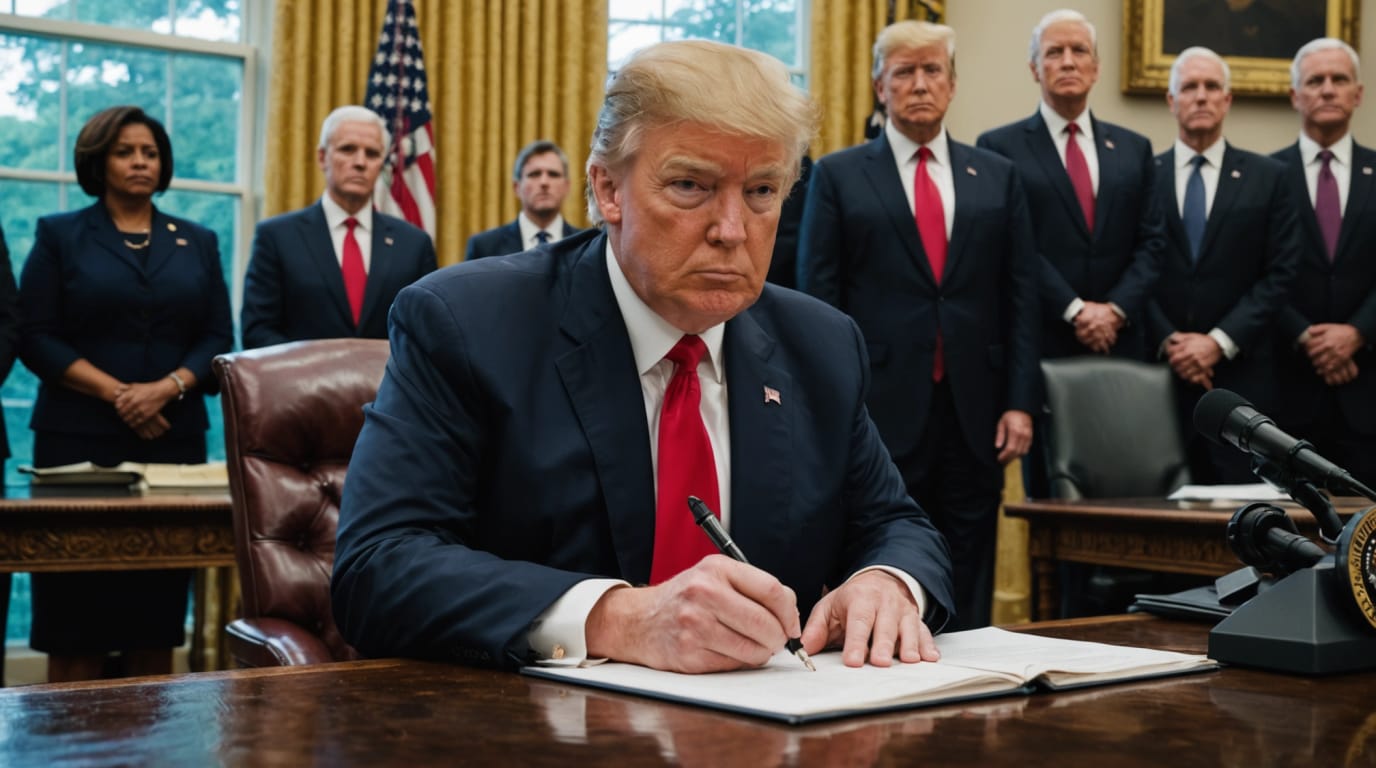
President Donald Trump signed an executive order Thursday directing the dismantling of the U.S. Department of Education, fulfilling a long-standing campaign promise and igniting a fierce debate over the future of federal involvement in education. The move, hailed by conservatives as a return of authority to the states, has been met with strong opposition from public school advocates and Democratic officials who fear it will exacerbate inequalities in the nation's education system.
Order Calls for Closure, Authority Returned to States
The executive order instructs Education Secretary Linda McMahon to initiate the closure of the Department of Education and to return educational authority to individual states. A White House fact sheet stated the order aims to streamline education by reducing federal regulations and paperwork, allowing schools to focus on their primary role of teaching. The order stipulates that the transition should ensure the continued delivery of services, programs, and benefits that Americans rely on.
Karoline Leavitt, White House press secretary, told reporters that the "great responsibility of educating our nation's students will return to the states." Trump has consistently criticized the Department of Education as being wasteful and promoting liberal ideologies.
Congressional Approval Uncertain
Despite the executive order, the complete dismantling of the Department of Education faces a significant hurdle: Congressional approval. The department was established in 1979 through an act of Congress, and its abolishment would require another act. Given the current political climate, securing the necessary votes in both the House and Senate is far from guaranteed.
Even some of Trump's allies have expressed reservations about his authority to close the agency without congressional action. In 2023, an amendment to close the agency was considered in the House, but it failed after 60 Republicans joined Democrats in opposition.
Impact on Key Programs
While the long-term fate of the department remains uncertain, the executive order has already raised concerns about the future of key federal education programs. A White House official stated that programs such as student loans, Pell grants, and Title I funding for low-income schools would not be immediately affected. The Individuals with Disabilities Education Act (IDEA) enforcement and civil rights laws will also remain at the Department of Education "for now," but are expected to be transferred to other departments eventually.
However, critics argue that transferring these programs to other agencies could lead to inefficiencies and a lack of focus on the specific needs of students and schools. They also fear that without a dedicated Department of Education, federal oversight of civil rights protections in schools could be weakened.
Workforce Reductions and Lawsuits
Prior to the executive order, the Trump administration had already begun significantly reducing the Department of Education's workforce. The department announced earlier this month that it would cut its 4,000-person workforce in half, with employees accepting voluntary resignation packages and remaining employees facing layoffs.
These workforce reductions have prompted legal challenges. A coalition of 21 Democratic attorneys general filed a lawsuit last week, arguing that the firings are unlawful and that Secretary McMahon lacks the authority to eliminate or remove programs created by statute. Twenty states and the District of Columbia have announced a lawsuit against the Trump administration over its mass firings at the Department of Education.
Reactions and Future Implications
The executive order has been met with strong reactions from both sides of the political spectrum. Conservatives and advocates for state control of education have praised the move as a step towards reducing federal overreach and empowering local communities.
"This is a victory for parents and students," said a statement from the National Association of State Boards of Education. "States are best equipped to address the unique needs of their students and schools."
However, advocates for public schools and civil rights groups have condemned the order, arguing that it will harm vulnerable students and exacerbate existing inequalities.
"Eliminating the Department of Education would leave children behind in an American education system that is fundamentally unequal," said the National Parents Union in a statement. "This isn't fixing education. It's making sure millions of children never get a fair shot. And we're not about to let that happen without a fight."
The future of the Department of Education remains uncertain. While the executive order sets the stage for its dismantling, the ultimate decision rests with Congress. The coming months are likely to see intense debate and political maneuvering as lawmakers grapple with the implications of this controversial proposal. The outcome will have a profound impact on the future of education in the United States, shaping the opportunities available to millions of students for generations to come.


