Trump Tariffs Prompt Over 50 Nations to Seek Trade Talks
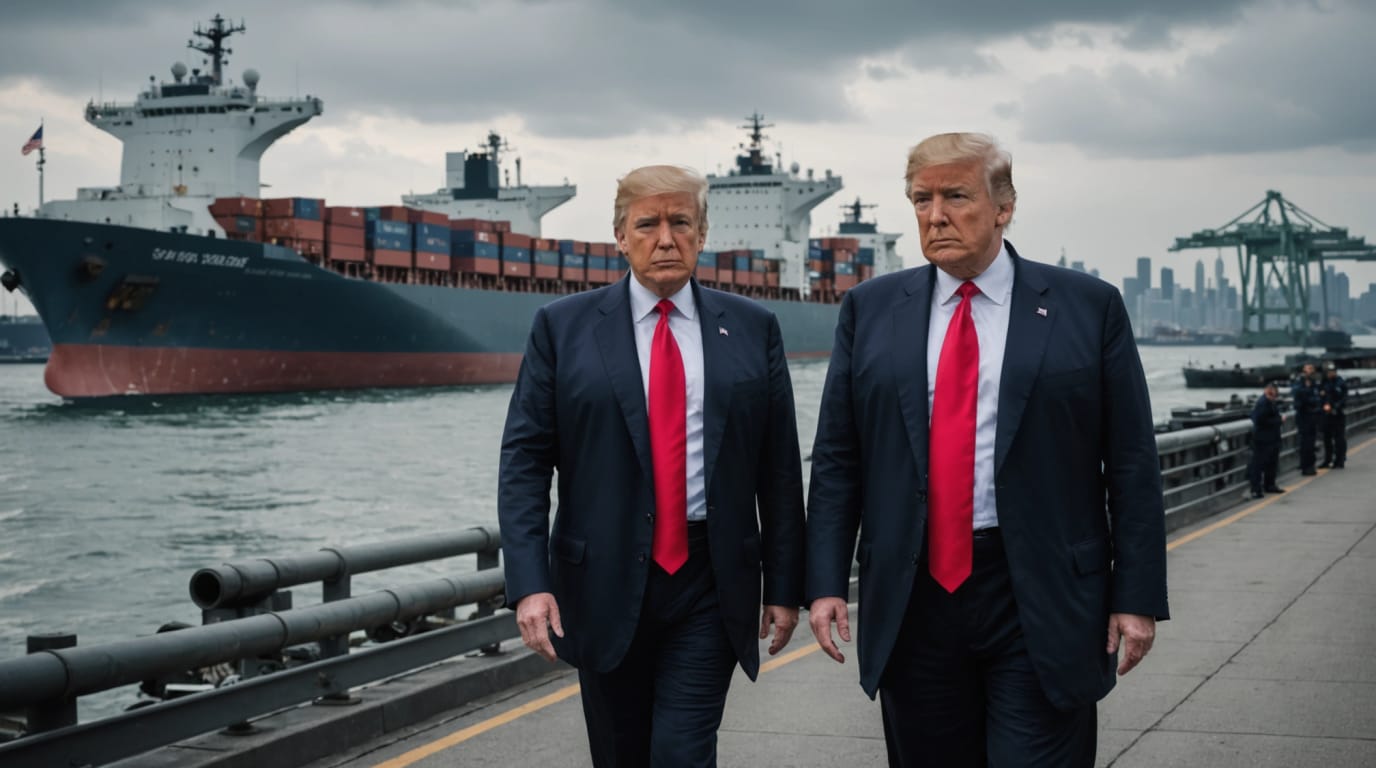
President Donald Trump's recent imposition of sweeping tariffs on imports has spurred over 50 countries to seek negotiations with the United States, according to White House officials. The tariffs, enacted under emergency economic powers, have ignited global tensions and sparked concerns about potential economic repercussions. While some countries are considering retaliatory measures, many are reportedly seeking to engage in discussions with the Trump administration to mitigate the impact of the tariffs.
Tariffs Take Effect Amid Global Disquiet
The initial 10% "baseline" tariff on imports took effect on Saturday, impacting numerous countries. Higher, "reciprocal" tariffs ranging from 11% to 50% are scheduled to be implemented on Wednesday, targeting countries with which the United States has significant trade deficits. The White House has justified the tariffs by citing a lack of reciprocity in trade relationships and what it describes as unfair foreign tax policies.
The move has been met with considerable unease on the international stage. Stock markets experienced a sharp decline following the tariff announcement, with trillions of dollars in value wiped out. Concerns about a potential recession have also risen, leading to a drop in oil and commodity prices as investors seek safer investments.
Nations Respond with Diplomacy and Defiance
While China has announced retaliatory tariffs on U.S. goods, mirroring the Trump administration's actions, other countries are exploring alternative approaches. Kevin Hassett, the White House's national economic council director, stated that over 50 countries have contacted the president to initiate negotiations, recognizing that they bear a significant portion of the tariff burden.
Some countries, like Zimbabwe, have opted to unilaterally suspend tariffs on goods originating from the United States in an effort to foster trade relations. President Emmerson Mnangagwa of Zimbabwe announced this decision, expressing hope that it would expand American imports into the Zimbabwean market while simultaneously promoting Zimbabwean exports to the United States.
However, other nations have expressed strong disapproval of the tariffs. Australian Prime Minister Anthony Albanese criticized the tariffs as lacking logic and undermining the diplomatic alliance between Australia and the U.S. Brazil has passed a reciprocity bill, enabling it to retaliate against tariffs imposed on Brazilian goods by any country or trade bloc.
Impact on Consumers and Businesses
Economists have warned that the tariffs could lead to higher prices for consumers and potentially trigger a recession. European Commission President Ursula von der Leyen described Trump's universal tariffs as a "major blow to the world economy," predicting dire consequences for millions of people worldwide. She cautioned that the tariffs would create uncertainty, disrupt supply chains, and impose burdensome bureaucracy on businesses of all sizes.
The tariffs have also raised concerns about the future of global trade. Kelly Ann Shaw, a former White House trade adviser, characterized the tariffs as a "seismic and significant shift" in how the U.S. trades with the rest of the world. She anticipates that the tariffs will evolve over time as countries seek to negotiate lower rates.
Trump Administration Defends Trade Measures
Despite the widespread criticism, the Trump administration maintains that the tariffs are necessary to address trade imbalances and protect American workers. The White House argues that many countries would have larger trade deficits with the U.S. if their policies were fairer.
The administration also points to studies suggesting that previous tariffs imposed during Trump's first term strengthened the U.S. economy and led to reshoring in industries such as manufacturing and steel production. A report by the U.S. International Trade Commission found that tariffs on over $300 billion of U.S. imports reduced imports from China and stimulated more U.S. production of the tariffed goods, with minimal impact on prices.
Grace Period and Future Negotiations
U.S. Customs and Border Protection has provided a 51-day grace period for cargoes already en route to the U.S. before the tariffs took effect. These cargoes must arrive by May 27 to avoid the new duties.
The coming weeks are expected to be crucial as countries engage with the Trump administration to negotiate potential tariff reductions or exemptions. The outcome of these negotiations will likely shape the future of global trade relations and have significant implications for economies around the world. The administration has indicated a willingness to modify the tariffs if trading partners take steps to remedy non-reciprocal trade arrangements and align with the United States on economic and national security matters.
The situation remains fluid, and the long-term consequences of the tariffs are yet to be seen. However, the immediate impact has been a surge in diplomatic activity as nations seek to navigate the new trade landscape and protect their economic interests.


