Trump Tariffs Threaten African Economies, Override Trade Agreement
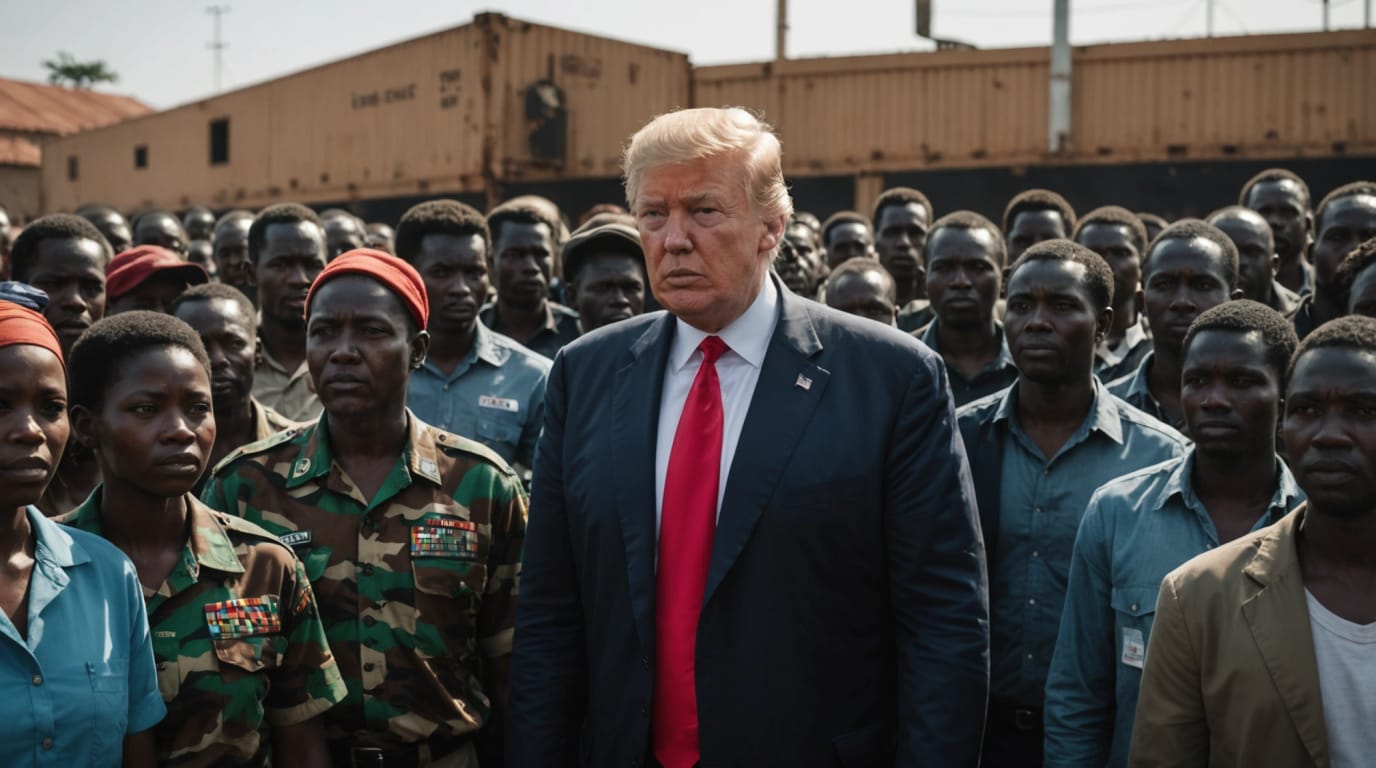
A new wave of tariffs imposed by the Trump administration is poised to significantly impact African economies, potentially reversing decades of trade benefits and forcing nations to seek alternative partnerships. The tariffs, which include a baseline 10% duty on all U.S. imports and additional levies on specific countries, are raising concerns about job losses, economic instability, and the future of U.S.-Africa trade relations.
Sweeping Tariffs Target Key African Exports
President Trump's recent announcement included both a universal tariff and "reciprocal" tariffs targeting nations he claims "treat us badly." These measures are set to take effect in early April and are expected to disproportionately affect African countries reliant on trade with the U.S. Several African nations now face tariffs far exceeding the baseline, including Lesotho (50%), Madagascar (47%), Mauritius (40%), and South Africa (31%). Other countries facing tariffs above 10% include Algeria, Cameroon, Chad, Democratic Republic of the Congo, Equatorial Guinea, Ivory Coast, Libya, Malawi, Mozambique, Namibia, Tunisia, Zambia, and Zimbabwe.
The tariffs target a range of exports, from textiles and agricultural products to automobiles and minerals. South Africa, a major exporter of vehicles and parts to the U.S., faces a 25% tariff on foreign-made cars, potentially disrupting a trade relationship worth billions of dollars. Lesotho, heavily reliant on textile exports to the U.S., confronts a daunting 50% tariff that could devastate its economy.
AGOA's Future in Doubt
Experts warn that the new tariffs effectively override the African Growth and Opportunity Act (AGOA), a trade preference program that has been the cornerstone of U.S.-Africa trade policy for 25 years. AGOA grants duty-free access to the U.S. market for over 1,800 products from eligible sub-Saharan African countries, fostering economic growth and diversification.
The Trump administration's tariffs undermine AGOA's benefits, potentially negating the duty-free access that African nations have enjoyed for decades. With AGOA set to expire in September 2025, its renewal prospects are now uncertain. The tariffs and the potential demise of AGOA could force African producers to seek new markets, potentially shifting trade towards China.
Economic Consequences and Job Losses
The tariffs are expected to have far-reaching economic consequences for African countries. Businesses face higher costs, making it more difficult to compete in the U.S. market. Inflation could rise, leading to increased interest rates and slower economic growth.
Several sectors are particularly vulnerable. South Africa's automotive industry, Kenya's and Lesotho's textile sectors, and South Africa's citrus industry are all at risk. The Citrus Growers' Association of Southern Africa (CGA) warns that the tariffs could threaten 35,000 jobs and disrupt a key agricultural export valued at over $100 million annually. The CGA estimates that the tariffs would add approximately $4.50 to the cost of each carton of fruit, significantly eroding the competitiveness of South African citrus in the United States.
African Responses and Diversification Efforts
African countries are scrambling to respond to the new tariffs. Some nations are seeking negotiations with the U.S. government to secure tariff reductions or exemptions. Others are exploring alternative markets and diversifying their trade relationships.
Zimbabwe has taken a bold step by announcing plans to suspend all tariffs on U.S. imports in an effort to boost American imports and promote Zimbabwean exports to the U.S. Kenya sent a delegation to Washington to discuss the future of bilateral trade. Lesotho is attempting to engage with the U.S. to address tariffs that risk wiping out nearly half of its exports.
The situation has highlighted the vulnerabilities associated with relying heavily on a single export market. African nations are now being compelled to aggressively diversify their trade relationships and explore new opportunities. This strategic shift is not merely a reactive measure but a proactive step towards building more resilient and sustainable economies.
A Shift in Global Trade Dynamics
The Trump administration's tariffs represent a significant shift in U.S. trade policy towards Africa. The move towards protectionism weakens a global trade system that the U.S. helped build and strengthen. The tariffs could have long-term implications for U.S.-Africa relations and could reshape global trade dynamics.
The tariffs also create distortions within Africa. Kenya, a major exporter of apparel, now faces a 10% tariff, making it relatively more competitive compared to countries facing higher tariffs. This could lead to shifts in production and trade within the continent.
Conclusion: Uncertainty and Adaptation
The imposition of tariffs by the Trump administration has created uncertainty and anxiety among African nations. The tariffs threaten to undermine decades of trade benefits, disrupt key sectors, and force countries to adapt to a new global trade landscape. While the long-term consequences remain to be seen, African nations are actively seeking solutions, diversifying their economies, and forging new partnerships to navigate this unprecedented trade storm. The future of U.S.-Africa trade relations hinges on the ability of both sides to find common ground and address the challenges posed by these new trade barriers.


