Trump Tariffs Trigger Global Market Turmoil, EU Ministers Convene
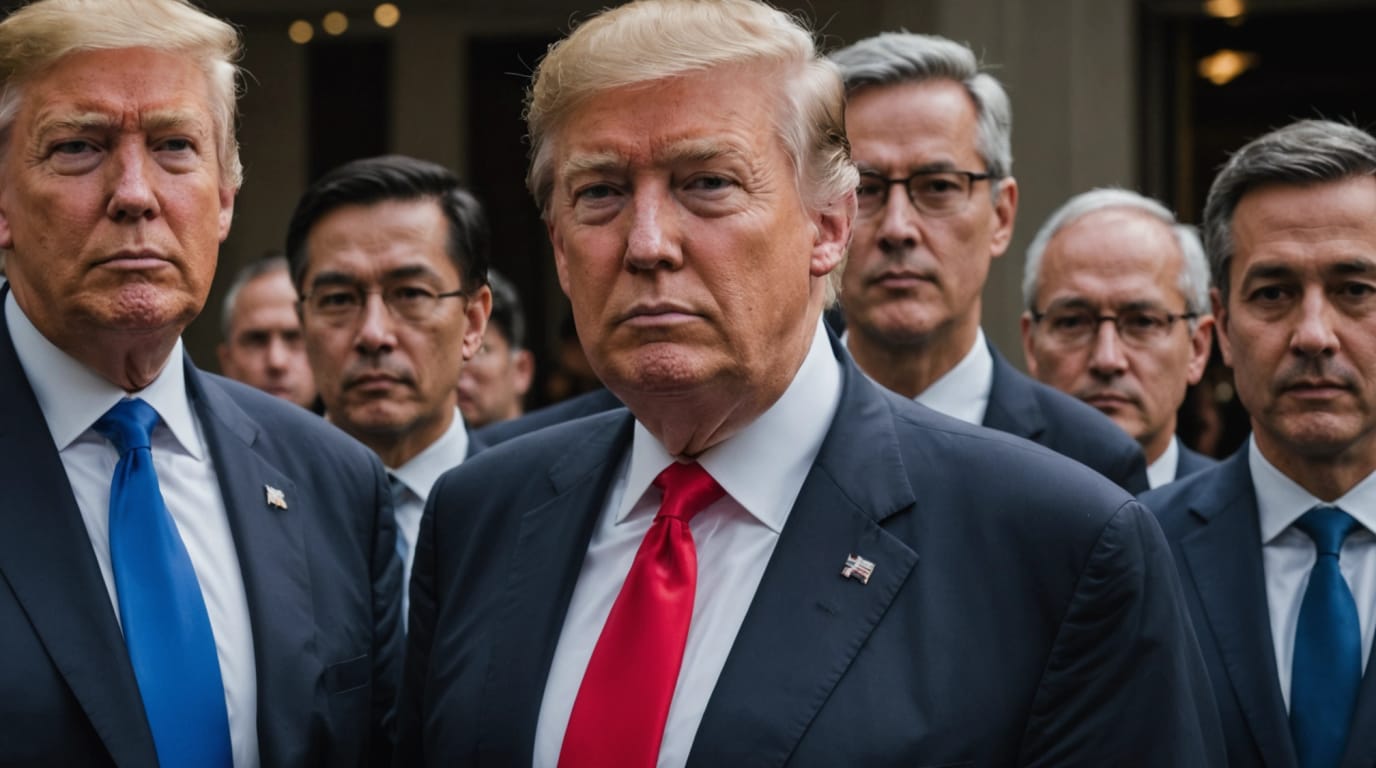
Global markets are reeling Monday as newly imposed tariffs by U.S. President Donald Trump sent shockwaves through Asia and prompted emergency meetings among European Union ministers. The tariffs, which include a 20% levy on EU goods and services and even higher rates for some Asian nations, have ignited fears of a global trade war and a potential recession, leading to a dramatic plunge in stock values and commodities.
Asian Markets Plunge into Red
Asian markets experienced a massive sell-off Monday, with major indices plummeting to levels not seen since the COVID-19 pandemic. Japan's Nikkei 225 index was down nearly 8% shortly after opening, while Taiwan stocks fell almost 10% and Singapore stocks dropped 8.5%. Hong Kong's Hang Seng index also experienced a significant drop, falling nearly 10%. The market turmoil extended beyond equities, with oil prices also sinking sharply. Trump, however, has defended the tariffs, comparing them to "medicine" needed to fix trade imbalances. He also claimed that other world leaders are "dying to make a deal" with the U.S.
EU Ministers Scramble for Response
In response to the tariffs, EU ministers responsible for trade are meeting in Luxembourg to discuss the impact and formulate a unified response. European Commission President Ursula von der Leyen has condemned the tariffs as a major blow to the world economy, warning of dire consequences for millions of people. She stated that the EU is prepared to respond with countermeasures to protect its interests and businesses if negotiations fail. The EU is already finalizing a first package of countermeasures in response to previous tariffs on steel and aluminum.
Divisions Emerge Within Europe
While the EU aims for a united front, divisions are emerging among member states regarding the best course of action. Economy ministers from Italy and Spain are urging European governments to avoid confrontation with the U.S. and seek a negotiated solution. In contrast, France and Germany are advocating for a tougher response to the tariffs. French President Emmanuel Macron has even suggested that EU businesses should put investments in America on hold until the situation is clarified.
Potential Impact on European Economy
The tariffs pose a significant threat to the European economy, particularly for export-oriented industries. The automotive sector, for example, is highly vulnerable, with the U.S. being the number one export destination for EU-made cars. A 25% tariff on motor vehicle imports from the EU could lead to a sharp contraction in EU automotive exports to the U.S., with Germany and Italy potentially experiencing the most significant damage. Financial service stocks and companies exposed to emerging markets are also expected to be heavily affected. Some analysts predict that blanket tariffs could shave 0.2-0.3 percentage points from the euro area GDP.
Global Trade War Fears Intensify
The escalating trade tensions between the U.S. and other major economies have raised serious concerns about a global trade war. China has already retaliated against the U.S. by announcing it would impose tit-for-tat tariffs of 34% on all U.S. goods from April 10. The back-and-forth tariffs between the world's two largest economies could disrupt global supply chains, increase prices for consumers, and ultimately lead to a global recession. Some economists are warning that the risk of a global recession is now significantly elevated.
Conclusion: Uncertainty Looms
President Trump's tariffs have plunged the global economy into a state of uncertainty. While the U.S. administration argues that the tariffs are necessary to address trade imbalances and revitalize American manufacturing, world leaders and economists warn of the potential for severe economic consequences. The EU is now grappling with how to respond to the tariffs, balancing the need to protect its own interests with the desire to avoid a full-blown trade war. The coming weeks will be crucial in determining whether a negotiated solution can be reached or whether the world is headed for a prolonged period of trade conflict.


