Trump Threatens 200% Tariff on European Wine and Spirits Amid Trade Spat
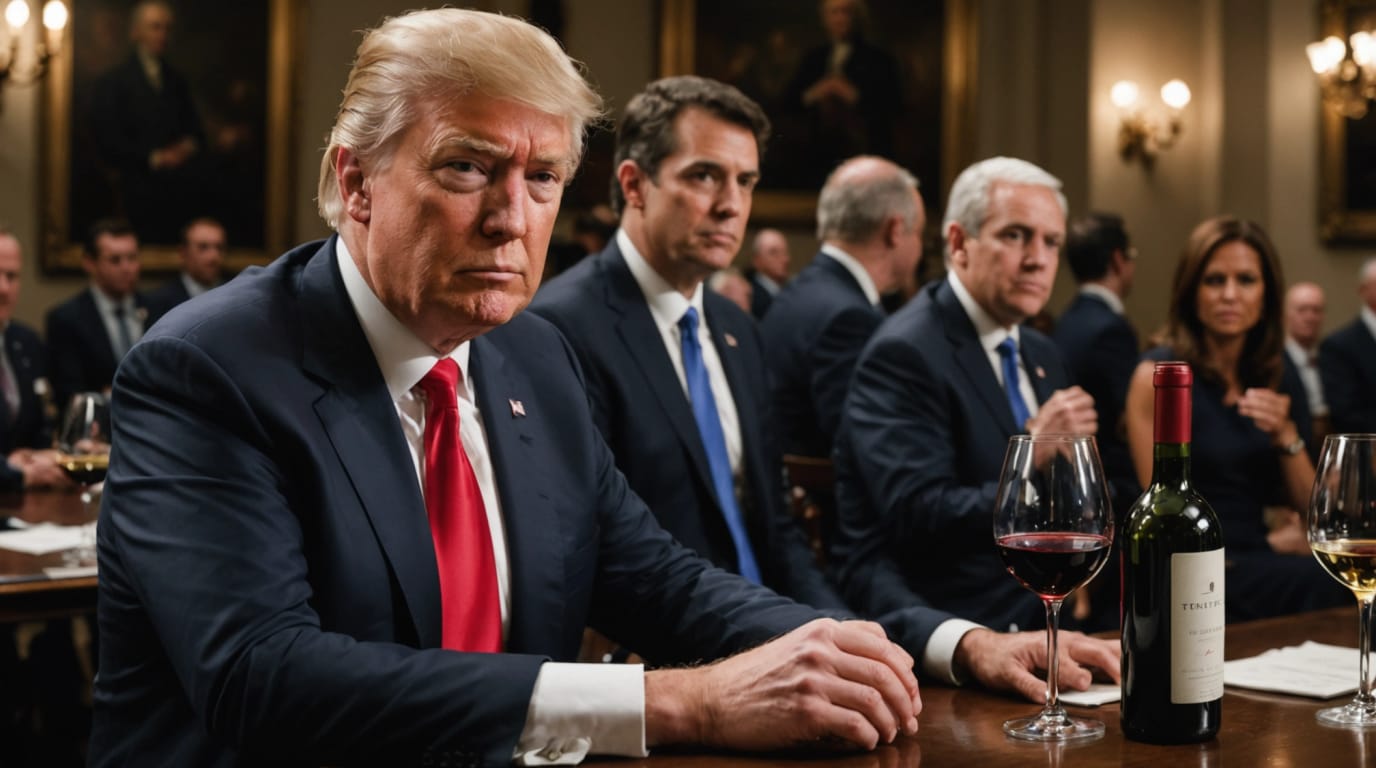
In a move that could significantly escalate trade tensions, former President Donald Trump has threatened to impose a 200% tariff on European wines, champagnes, and other alcoholic beverages. The threat comes in response to the European Union's plan to reimpose tariffs on American whiskey, reigniting a transatlantic trade dispute that could have far-reaching economic consequences.
Retaliation for EU Tariffs on US Whiskey
Trump's announcement, made via a post on his social media platform, Truth Social, directly addresses the EU's decision to increase tariffs on U.S.-made whiskey to 50%. The EU's action is a countermeasure in response to the U.S. increasing tariffs on steel and aluminum imports. Trump characterized the EU as "one of the most hostile and abusive taxing and tariffing authorities in the world," accusing the bloc of being formed to take advantage of the United States. He stated that if the whiskey tariff is not removed immediately, the U.S. will swiftly implement a 200% tariff on all wines, champagnes, and alcoholic products originating from France and other EU member states.
Potential Impact on European Producers
The proposed 200% tariff could devastate European wine and spirits producers, particularly those in France, a major exporter of wine and champagne. Such a steep tariff would make these products significantly more expensive for American consumers, potentially pricing them out of the market. This could lead to a sharp decline in sales for European producers, impacting their revenue and potentially leading to job losses. The threat also extends beyond France, encompassing all EU-represented countries, creating widespread uncertainty across the European alcoholic beverage industry.
Boosting American Wine and Champagne Businesses
Trump argued that the tariffs would be beneficial for American wine and champagne businesses. By making European imports more expensive, domestic producers could gain a competitive advantage, potentially increasing their market share and profitability. However, some analysts question whether the U.S. industry has the capacity to fully meet domestic demand if European imports are significantly curtailed. Furthermore, the tariffs could lead to higher prices for consumers, regardless of the origin of the product.
Broader Implications for Trade Relations
This latest trade dispute is part of a broader pattern of trade tensions between the U.S. and the EU. The initial tariffs on steel and aluminum imports, imposed under the premise of national security, have been a major source of friction. The EU's retaliatory tariffs on American whiskey and other products have further exacerbated the situation. The potential imposition of a 200% tariff on European alcoholic beverages could trigger a full-blown trade war, with both sides imposing increasingly punitive measures. This could disrupt supply chains, raise prices for consumers, and harm economic growth on both sides of the Atlantic.
Concerns from European Leaders
European Commission President Ursula von der Leyen has expressed deep regret over the escalating trade tensions. She emphasized that tariffs are essentially taxes that harm businesses and consumers alike. She also warned that they disrupt supply chains, create economic uncertainty, and put jobs at risk. The EU has stated that its countermeasures are proportionate and in line with international trade rules, but it remains open to finding a negotiated solution to the dispute.
The threat of a 200% tariff on European wine and spirits marks a significant escalation in the trade dispute between the U.S. and the EU. While the Trump administration argues that such measures are necessary to protect American industries and address unfair trade practices, critics warn that they could have damaging consequences for both economies. The potential impact on European producers, American consumers, and the broader global economy remains a significant concern as both sides weigh their next moves. The situation underscores the fragility of international trade relations and the need for constructive dialogue to resolve disputes and avoid a costly trade war.


