Trump to Discuss Ukraine Ceasefire with Putin Amidst Cautious Optimism
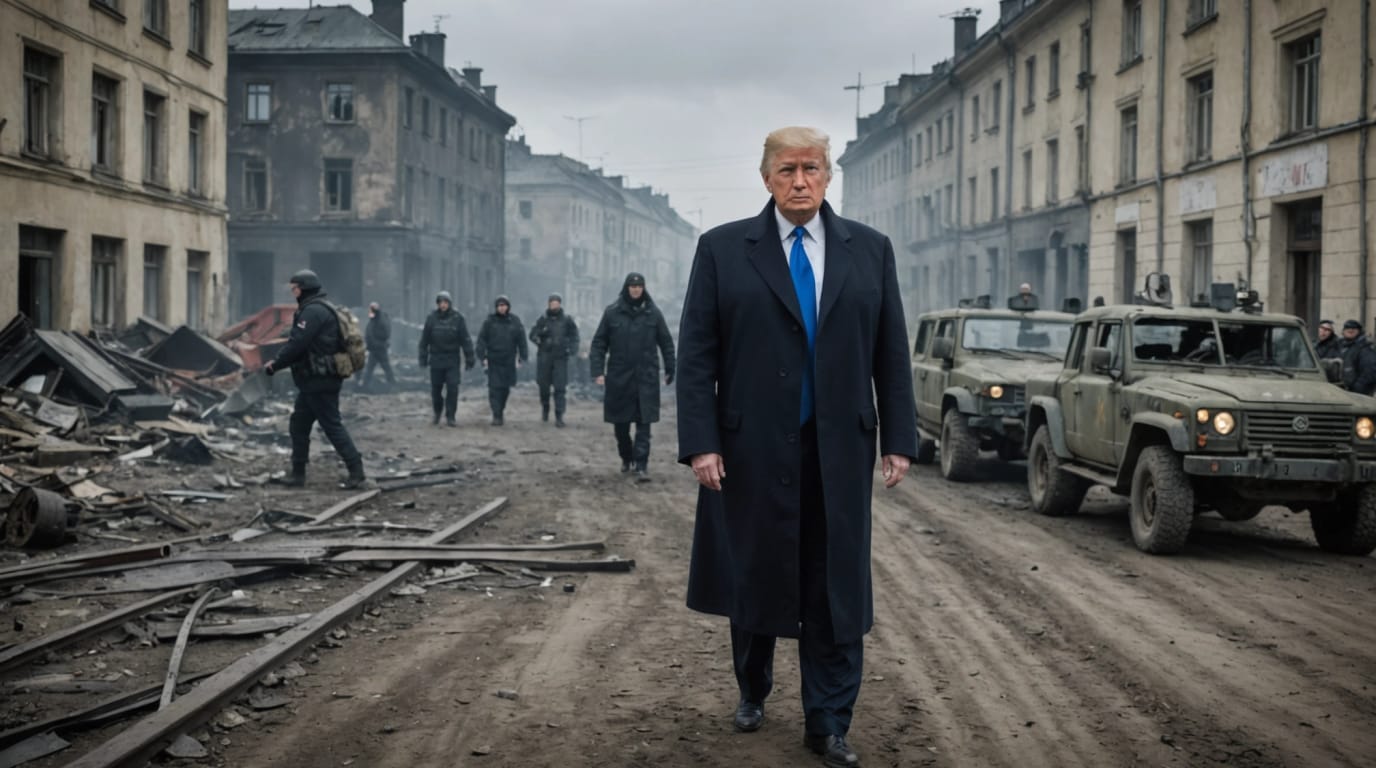
President Donald Trump plans to speak with Russian President Vladimir Putin on Tuesday, March 18, to discuss a potential ceasefire in the ongoing conflict in Ukraine. The move comes as the U.S. administration intensifies efforts to broker a deal between the warring nations, with both sides facing mounting pressure to de-escalate.
Ceasefire Proposal on the Table
Trump told reporters aboard Air Force One that "a lot of work's been done over the weekend" and expressed hope that the call could lead to an end to the war. He is reportedly pushing for a 30-day ceasefire, a proposal that Ukraine has already accepted. However, Russia has expressed reservations, indicating that certain conditions must be met before agreeing to a truce.
According to reports, the proposed ceasefire aims to halt military actions in a way that leads to long-term peace and eliminates the root causes of the crisis. However, what constitutes these "root causes" remains a point of contention. Russia has consistently cited grievances related to Ukraine's political alignment and security arrangements as justification for its military intervention.
Dividing Assets
Trump mentioned the possibility of dividing up certain assets as part of the negotiation process. "We will be talking about land. We will be talking about power plants," Trump said. "I think we have a lot of it already discussed very much by both sides, Ukraine and Russia. We are already talking about that, dividing up certain assets."
Putin's Conditions and Concerns
While Putin has publicly stated his agreement in principle to a ceasefire, he has also emphasized the need for further discussion and refinement of the terms. He has expressed concerns about ensuring that any cessation of hostilities leads to a durable peace, addressing what he views as the underlying issues driving the conflict.
Some analysts suggest that Putin's cautious approach may be a tactic to buy time and assess the situation on the ground. Others believe that he is genuinely seeking a resolution but wants to secure certain guarantees regarding Ukraine's future status and security arrangements.
US Diplomacy Intensifies
In recent weeks, the Trump administration has ramped up diplomatic efforts to facilitate a ceasefire agreement. Special Envoy Steve Witkoff has been actively engaged in discussions with both Ukrainian and Russian officials, shuttling between Kyiv and Moscow to bridge the gap between the two sides.
Witkoff met with Putin in Russia for talks aimed at ending the country's invasion of Ukraine and said he expects to see a deal soon. "The president uses the timeframe weeks and I don't disagree with him. I am really hopeful that we are going to see some real progress here," Witkoff said.
Challenges and Obstacles
Despite the ongoing diplomatic efforts, significant challenges remain in reaching a comprehensive ceasefire agreement. One of the main obstacles is the deep-seated mistrust between Ukraine and Russia, stemming from years of conflict and divergent geopolitical orientations.
Another challenge is the complexity of the situation on the ground, with a 2,000-kilometer border separating the two countries. Ensuring compliance with a ceasefire across such a vast and contested area will require robust monitoring and verification mechanisms.
Potential Implications
A successful ceasefire agreement could have far-reaching implications for the region and beyond. It could pave the way for a broader political settlement, de-escalate tensions between Russia and the West, and alleviate the humanitarian crisis in Ukraine.
However, a failed ceasefire could lead to a renewed escalation of the conflict, with potentially devastating consequences for all parties involved. It could also further strain relations between Russia and the West, undermining international efforts to address other global challenges.
Conclusion
President Trump's upcoming call with President Putin represents a critical opportunity to advance the prospects for a ceasefire in Ukraine. While significant obstacles remain, the ongoing diplomatic efforts and the willingness of both sides to engage in discussions offer a glimmer of hope for a peaceful resolution to the conflict. The world will be watching closely to see if these efforts can translate into a tangible breakthrough in the days and weeks ahead.


