Trump Touts Alaskan Gas Pipeline, Claims Interest from Japan and South Korea
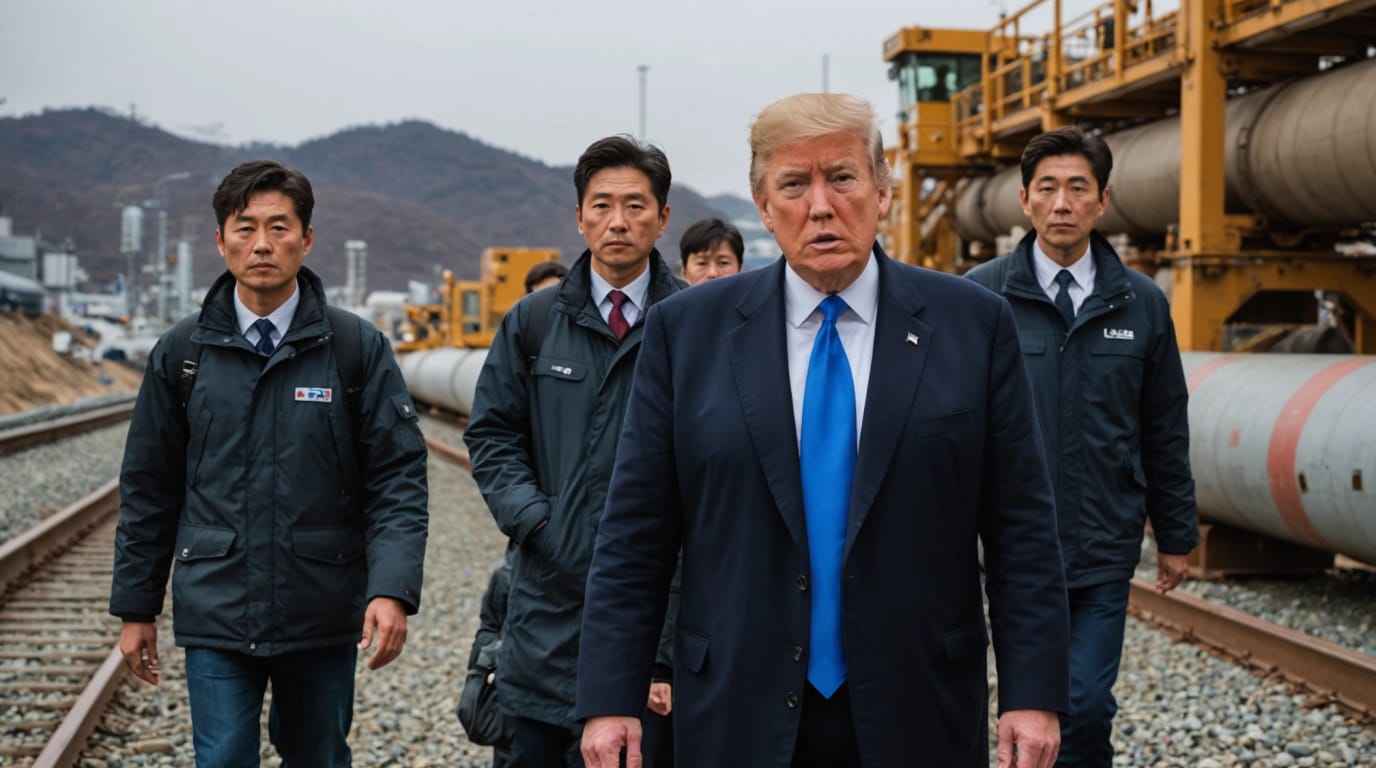
WASHINGTON – President Donald Trump asserted Tuesday that his administration is spearheading a massive natural gas pipeline project in Alaska, drawing potential investment from Japan, South Korea, and other nations. The announcement, made during his joint address to Congress, highlighted the administration's focus on energy development and international trade relations.
Project Details Remain Sparse
While Trump presented an optimistic view of the project, specific details regarding the pipeline's route, capacity, and timeline remain unclear. "My administration is also working on a gigantic natural gas pipeline in Alaska, among the largest in the world, where Japan, South Korea, and other nations want to be our partner with investments of trillions of dollars each," Trump stated. He added that the project "will truly be spectacular," without elaborating further.
The Alaska LNG project has been discussed for years, aiming to tap into the state's vast natural gas reserves and transport them to markets in Asia. The project faces significant hurdles, including high construction costs and logistical challenges related to the harsh Alaskan environment.
South Korean and Japanese Interest
Despite the lack of concrete details, South Korea and Japan have expressed interest in potentially participating in the Alaska LNG project. South Korea's industry ministry confirmed that discussions have taken place, but no specific commitments have been made. Trade Minister Ahn Duk-geun recently visited the United States to discuss energy projects, including LNG development, with U.S. officials.
Japan has also signaled interest, with Prime Minister Shigeru Ishiba reportedly pledging investment in the Alaska LNG pipeline during a February summit with Trump. Japanese officials have agreed to further explore the matter. Japan's trade minister is scheduled to visit Washington this month to discuss potential exemptions from U.S. tariffs and explore opportunities to increase U.S. LNG imports.
Trade Tensions Simmer
Trump's address also touched on trade imbalances, particularly with South Korea. He claimed that South Korea imposes tariffs on U.S. goods at four times the rate the United States imposes on South Korean goods. "Countless other nations charge us tremendously higher tariffs than we charge them," he said. "South Korea's average tariff is four times higher. Think of that—four times higher. And we give so much help militarily and in so many other ways to South Korea. But that's what happens."
The president's remarks suggest that trade negotiations with South Korea may become more assertive, with the U.S. seeking more reciprocal arrangements. The potential for increased U.S. energy exports, including LNG, could be a key bargaining chip in these discussions.
Implications for Energy Markets
The Alaska LNG project, if realized, could have significant implications for global energy markets. It would provide a new source of natural gas supply to Asia, potentially diversifying the region's energy sources and reducing reliance on other suppliers. The project could also boost the U.S. economy by creating jobs and generating revenue from energy exports.
However, the project's economic viability depends on several factors, including the cost of construction, the price of natural gas, and the willingness of Asian buyers to commit to long-term contracts. The project also faces environmental concerns, as the construction and operation of a large-scale pipeline could have impacts on Alaska's sensitive ecosystems.
Conclusion
President Trump's announcement of the Alaska LNG project highlights the administration's commitment to energy development and its efforts to reshape international trade relations. While the project faces significant challenges, it also presents opportunities for economic growth and energy security. The coming months will be crucial in determining whether the project can move forward and whether Japan and South Korea will ultimately commit to investing in the pipeline. The development of this project and the trade negotiations surrounding it will be closely watched by energy markets and policymakers around the world.


