Trump Warns Iran of Dire Consequences Amid Escalating Tensions in Yemen
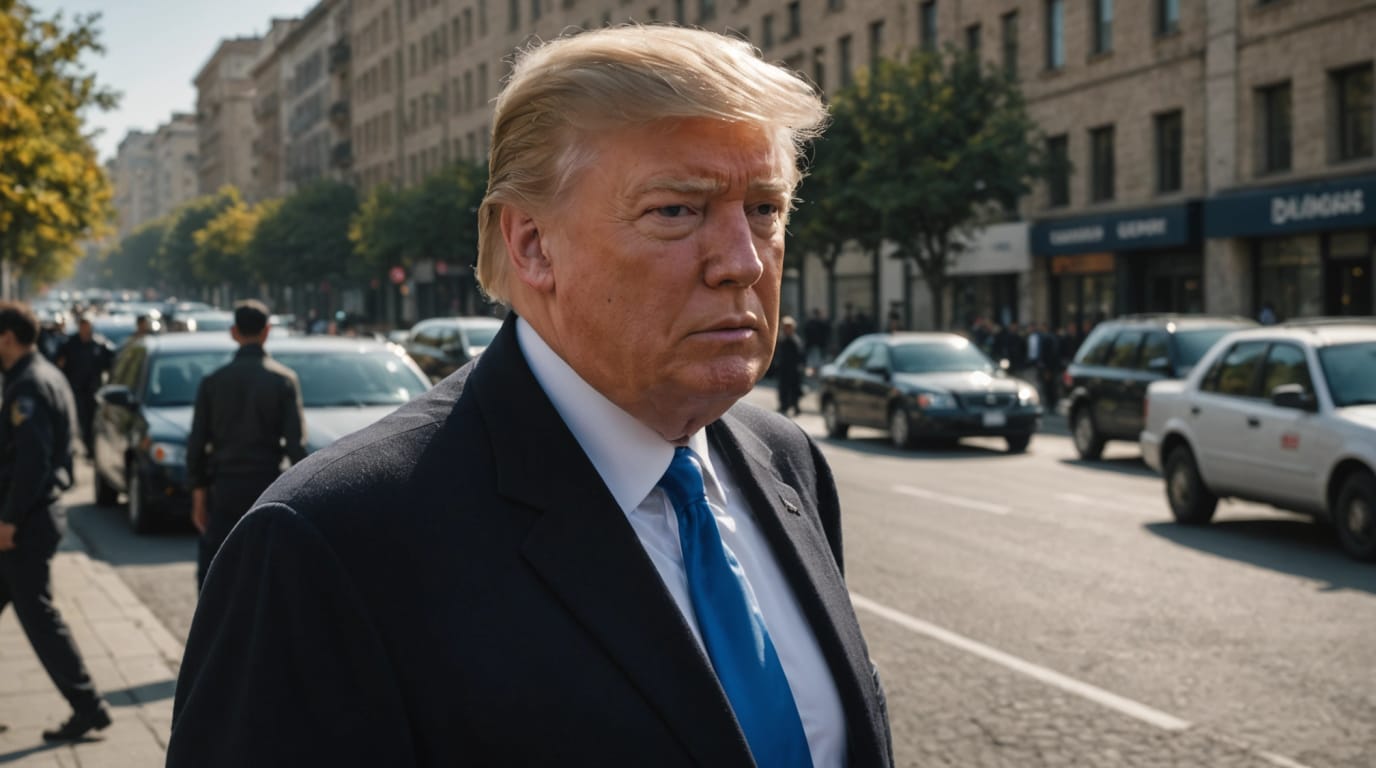
President Donald Trump has escalated tensions with Iran, warning the country that it will be held responsible for attacks by Houthi rebels in Yemen. The warning comes as the U.S. military conducts airstrikes against the Houthis, who have been targeting commercial ships in the Red Sea, disrupting a crucial global trade corridor. The situation raises concerns about a potential broader conflict in the Middle East and the future of U.S.-Iran relations.
Trump's Warning and U.S. Airstrikes
On Monday, Trump took to his social media platform, Truth Social, to directly address Iran, asserting that the Houthi attacks "emanate from, and are created by, IRAN." He declared that any further attacks by the Houthis "will be met with great force, and there is no guarantee that that force will stop there," explicitly threatening Iran with potential military action. This statement marks a significant escalation in the U.S. approach to the conflict in Yemen and its relationship with Iran.
The U.S. military has been conducting airstrikes against Houthi targets in Yemen in response to the group's attacks on ships in the Red Sea. These attacks, which the Houthis claim are in solidarity with Palestinians in Gaza, have disrupted international shipping and raised concerns about the security of the Red Sea, a vital waterway for global trade. U.S. officials have stated that the airstrikes are aimed at degrading the Houthis' ability to continue these attacks. Over the weekend alone, U.S. strikes hit more than 40 targets, reportedly killing at least 53 people.
Iran's Response and Regional Implications
Iran has responded to Trump's warning with defiance, denying any direct control over the Houthis and accusing the U.S. of "reckless and provocative statements." Iran's ambassador to the United Nations, Amir Saeid Iravani, warned that any act of aggression against Iran would have "severe consequences for international peace and security." He stated that Iran would defend its sovereignty and national interests against any hostile action.
The escalating tensions have sparked concerns about a wider conflict in the Middle East. The Houthis are widely believed to be supported by Iran, and any direct confrontation between the U.S. and Iran could draw other regional actors into the conflict. The situation is further complicated by the ongoing war in Gaza and the broader geopolitical rivalry between the U.S. and Iran.
The Houthi Perspective
The Houthis have vowed to retaliate against any U.S. strikes, with one source within the group telling Newsweek that they would "confront their escalation with an escalation they do not expect." The Houthis view their attacks on ships in the Red Sea as a way to pressure Israel to end its blockade of humanitarian aid to Gaza. They have vowed to increase pressure on Israel and its allies, raising the prospect of further disruptions to international shipping.
The Houthi-run Health Ministry reported that the recent U.S. strikes killed at least 53 people, including women and children, and wounded almost 100. These casualties are likely to further inflame tensions and fuel the Houthis' determination to resist U.S. and Israeli influence in the region.
Potential Paths Forward
The escalating tensions between the U.S. and Iran present several possible scenarios. One possibility is that the U.S. and Iran will find a way to de-escalate the situation through diplomacy. Trump has previously expressed a desire to negotiate with Iran over its nuclear program, and the current crisis could create an opportunity for renewed talks. However, given the deep distrust between the two countries, any diplomatic breakthrough would be difficult to achieve.
Another possibility is that the U.S. and Iran will continue on a path of escalation, with further military strikes and counterattacks. This scenario could lead to a wider conflict in the Middle East, with potentially devastating consequences for the region and the world. Some analysts believe that Trump may be using the strikes against the Houthis as a way to pressure Iran into nuclear negotiations.
A third possibility is that the situation will remain in a state of tense stalemate, with the U.S. continuing to conduct limited strikes against the Houthis and Iran continuing to support the group's activities in Yemen. This scenario would likely prolong the conflict in Yemen and maintain the threat to international shipping in the Red Sea.
Conclusion
President Trump's warning to Iran and the ongoing U.S. airstrikes in Yemen have created a volatile situation in the Middle East. The escalating tensions between the U.S. and Iran, the ongoing conflict in Yemen, and the broader geopolitical rivalries in the region all contribute to the risk of a wider conflict. Whether the U.S. and Iran can find a way to de-escalate the situation through diplomacy or whether they will continue on a path of escalation remains to be seen. The coming days and weeks will be crucial in determining the future of U.S.-Iran relations and the stability of the Middle East.


