Trump's Congress Speech Faces Fact-Checking Scrutiny
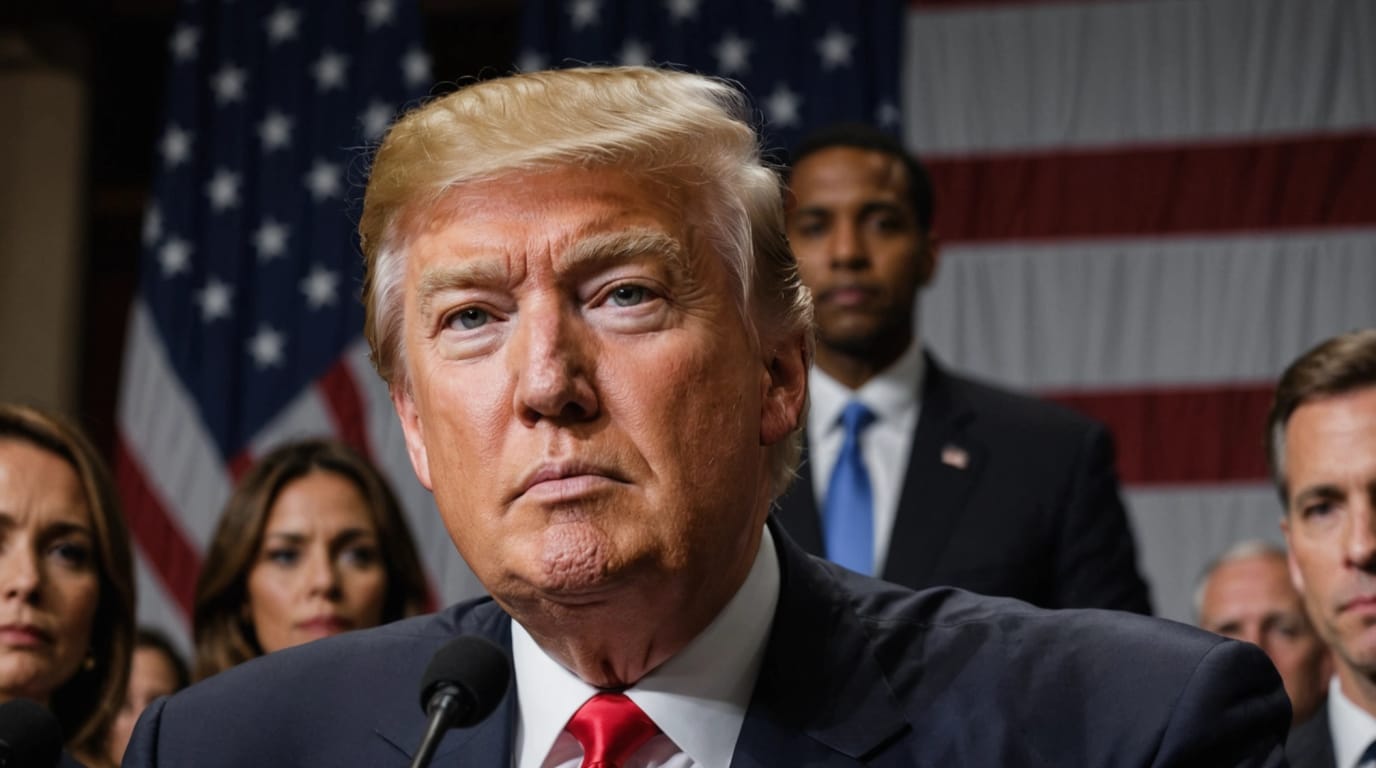
President Donald Trump's address to a joint session of Congress on Tuesday has come under intense scrutiny, with fact-checkers dissecting several claims made during the nearly hour-and-40-minute speech. While the address served as a platform to outline his administration's priorities and highlight perceived successes, numerous statements regarding the economy, immigration, and social security have been challenged for accuracy and context.
Disputed Claims on Social Security
One of the most prominent points of contention revolves around Trump's assertions regarding Social Security payments. Trump stated that government databases list millions of individuals over the age of 100, even exceeding 140 years old, and implied that many of these individuals are fraudulently receiving benefits.
Fact-checkers have refuted this claim, clarifying that while the Social Security Administration (SSA) does have records of individuals born in 1920 or earlier without a recorded date of death, this does not automatically indicate fraudulent activity. Lee Dudek, the acting SSA commissioner, explained that these individuals are "not necessarily receiving benefits." Furthermore, the SSA has implemented automated processes to terminate benefits for individuals aged 115 or older since 2015. While improper payments do occur, a 2024 audit revealed that they account for less than 1% of total payments.
Immigration Statistics Inflated
Trump's statements on immigration also faced fact-checking. Claims of a massive influx of illegal immigrants under the Biden administration were deemed to be inflated. While immigration remains a significant concern, the specific numbers cited by Trump did not align with available data.
Tariffs and Economic Impact
The President's defense of tariffs, particularly those recently imposed on Canada, Mexico, and China, also drew scrutiny. Trump downplayed potential economic repercussions, suggesting any disturbance would be minimal and urging farmers to embrace the changes. Economists, however, have expressed concerns about the potential for retaliatory tariffs and the negative impact on American businesses and consumers. The long-term effects of these tariffs remain a subject of debate.
DOGE Savings Unverified
Trump lauded the Department of Government Efficiency (DOGE), led by Elon Musk, claiming it had identified "hundreds of billions of dollars" in fraud. Fact-checkers have pointed out that DOGE's own website, as of the day of the speech, claimed savings of approximately $105 billion, a figure that lacks independent corroboration. Furthermore, DOGE's public records have been found to contain errors, including contracts canceled during previous administrations. While the initiative aims to combat waste and fraud, concrete evidence supporting the claimed savings remains limited.
A Divided Congress
The speech itself took place against a backdrop of deep political division. Speaker of the House Mike Johnson ejected a Democratic representative for disrupting the President early in the address. Democrats also voiced their opposition to Trump's remarks on law enforcement, referencing the January 6th Capitol riot. This contentious atmosphere underscores the challenges facing the administration in bridging partisan divides.
Conclusion
President Trump's address to Congress served as a platform to promote his agenda and highlight his administration's achievements. However, numerous claims made during the speech have been challenged by fact-checkers, raising questions about the accuracy and context of his statements. These discrepancies span a range of critical issues, including Social Security, immigration, and economic policy. As the political discourse surrounding these issues intensifies, it becomes increasingly important to critically evaluate the information presented by political leaders and rely on credible sources for accurate and unbiased reporting.


