Trump's Second Term and Europe's Unsettled Union: A Test of Transatlantic Ties
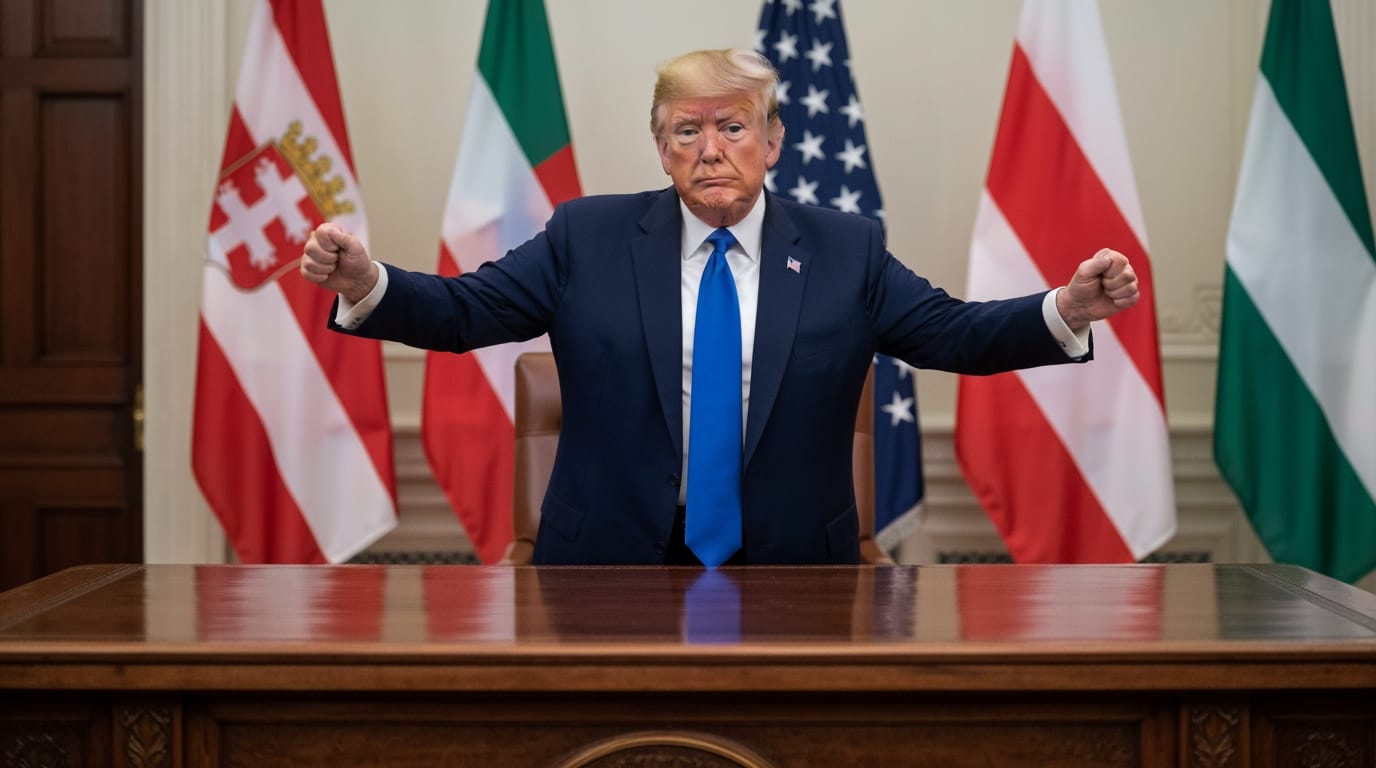
As a new presidential term in the United States unfolds, a palpable sense of unease ripples through European capitals. Reports of a potential strategy by the administration to encourage certain member states to reconsider their commitments to the European Union have ignited intense debate and underscored the fragile dynamics of transatlantic relations. The narrative centers on four nations—Italy, Austria, Poland, and Hungary—each grappling with internal political currents and varying degrees of Euroscepticism. The prospect of an "America First" foreign policy, perceived by some as seeking to reshape global alliances, is now forcing Europe to confront critical questions about its unity and future trajectory.
The United States administration's evolving posture towards Europe and its foundational institutions like NATO has been a consistent theme, characterized by a transactional approach. A perceived disinterest in multilateral cooperation and a focus on bilateral agreements risk fracturing the collective strength of the European Union. Concerns over Europe's defense contributions and trade practices have frequently fueled this narrative. Reports, though officially denied, suggest a strategic document proposed actively encouraging certain countries to distance themselves from the EU, criticizing what it views as "woke migration and censorship policies" and advocating for the protection of "traditional European ways of life". Such a stance, interpreted by some as aiming to weaken the EU, poses a significant challenge to the continent's cohesion. The implications extend beyond political rhetoric, suggesting potential leveraging of security commitments for economic and policy concessions, prompting many in Europe to brace for a future where they may increasingly need to chart their own course.
Hungary's Enduring Euroscepticism and Alignments
Hungary, under the leadership of Prime Minister Viktor Orbán, has long been a vocal proponent of "illiberal democracy" and a consistent critic of Brussels. Orbán's government has enacted controversial reforms, maintained close ties with non-Western powers like Russia and China, and frequently obstructed EU initiatives, earning him the reputation of a "thorn in the EU's side". This confrontational stance aligns ideologically with the American administration's perceived skepticism towards established international norms. Orbán has actively cultivated relationships with the American administration's political faction, positioning himself as a key European ally. This alignment has even fueled speculation about potential shifts in the positioning of US troops in Europe, with Hungary identified as a possible recipient if Washington prioritizes nations that meet defense spending targets. Despite penalties and ongoing disputes with the EU over rule of law, Hungary continues its distinctive path, emboldened by sympathetic voices on the international stage.
Poland's Shifting Sands of Sentiment
Poland's political landscape recently witnessed a notable shift towards "soft Euroscepticism." The June 2025 presidential election saw the victory of conservative candidate Karol Nawrocki, who campaigned on a platform critical of specific EU policies, particularly the European Green Deal and the Pact on Migration and Asylum. Nawrocki's victory, backed by the national-conservative Law and Justice (PiS) party, signals a desire for greater national sovereignty within the bloc. This growing sentiment is reflected in public opinion, with a December 2025 poll indicating that a significant portion of Poles, around 25%, now support leaving the EU, a considerable increase from previous years. However, the economic realities of a potential "Polexit" are stark; Poland benefits substantially from EU funds and its economy is deeply integrated with the bloc, with over half its exports directed to other member states. Despite the rising Eurosceptic voices, the current pro-EU government under Prime Minister Donald Tusk has sought to reassure allies, emphasizing Europe's crucial role as a partner to the United States.
Italy's Pragmatic Pivot
Italy, once a stalwart supporter of European integration, has seen a rise in Eurosceptic sentiment in recent years, particularly concerning economic policies and migration. However, since assuming the premiership, Giorgia Meloni has demonstrated a pragmatic moderation of her party's historically Eurosceptic views. While she describes her stance as "Eurorealist," acknowledging a critical perspective on some EU functions, her government has adopted a largely cooperative approach with EU institutions. This pragmatism is underscored by Italy's position as the largest beneficiary of the EU's post-pandemic recovery funds, a substantial €72 billion. Lessons from the economic and political fallout of Brexit also appear to have tempered public enthusiasm for a potential "Italexit". Under Meloni, Italy has sought to project an image of stability within Europe, supporting a strategic autonomy that complements rather than undermines NATO, and reinforcing the transatlantic bond.
Austria's Resurgent Far-Right and Official Reassurance
Austria has observed a significant resurgence of the far-right Freedom Party (FPÖ), which emerged as the largest party in the 2024 National Council elections. The FPÖ, characterized by hard Eurosceptic and pro-Russian leanings, has members who have openly advocated for Austria's withdrawal from the EU and have historically opposed the euro. The party's leader, Herbert Kickl, is a prominent Eurosceptic with a clear vision for stricter migration policies and a "Fortress Austria". Despite their electoral gains, the FPÖ has faced challenges in forming a coalition government, reflecting the complexities of the Austrian political landscape. In response to reports of external influence, Austrian Chancellor Christian Stocker emphatically rejected any attempts by the United States to interfere in Austria's European policy, reaffirming the nation's commitment to the EU. Public sentiment in Austria generally leans Eurosceptic, though support for EU membership and the common currency remains considerable.
A Union Under Scrutiny
The confluence of a US administration perceived as hostile to European integration and a rise in Eurosceptic parties across several member states presents a complex challenge to the future of the European Union. While figures like Hungarian Prime Minister Orbán readily align with the American administration's anti-EU rhetoric, leaders in Italy have adopted a more pragmatic approach, weighing economic realities against nationalist sentiments. In Poland, a shift towards soft Euroscepticism is evident, yet the deep economic ties to the EU make any talk of full withdrawal highly contentious. Austria's growing far-right movement also adds to the Eurosceptic chorus, although official statements maintain commitment to the bloc. The EU, which has demonstrated resilience in overcoming past crises, now faces a renewed test of its unity and resolve. The evolving transatlantic relationship, coupled with internal political realignments, will undoubtedly shape Europe's stability and its standing on the global stage for years to come.


