Turkey Detains Journalists Amid Growing Protests Against Government
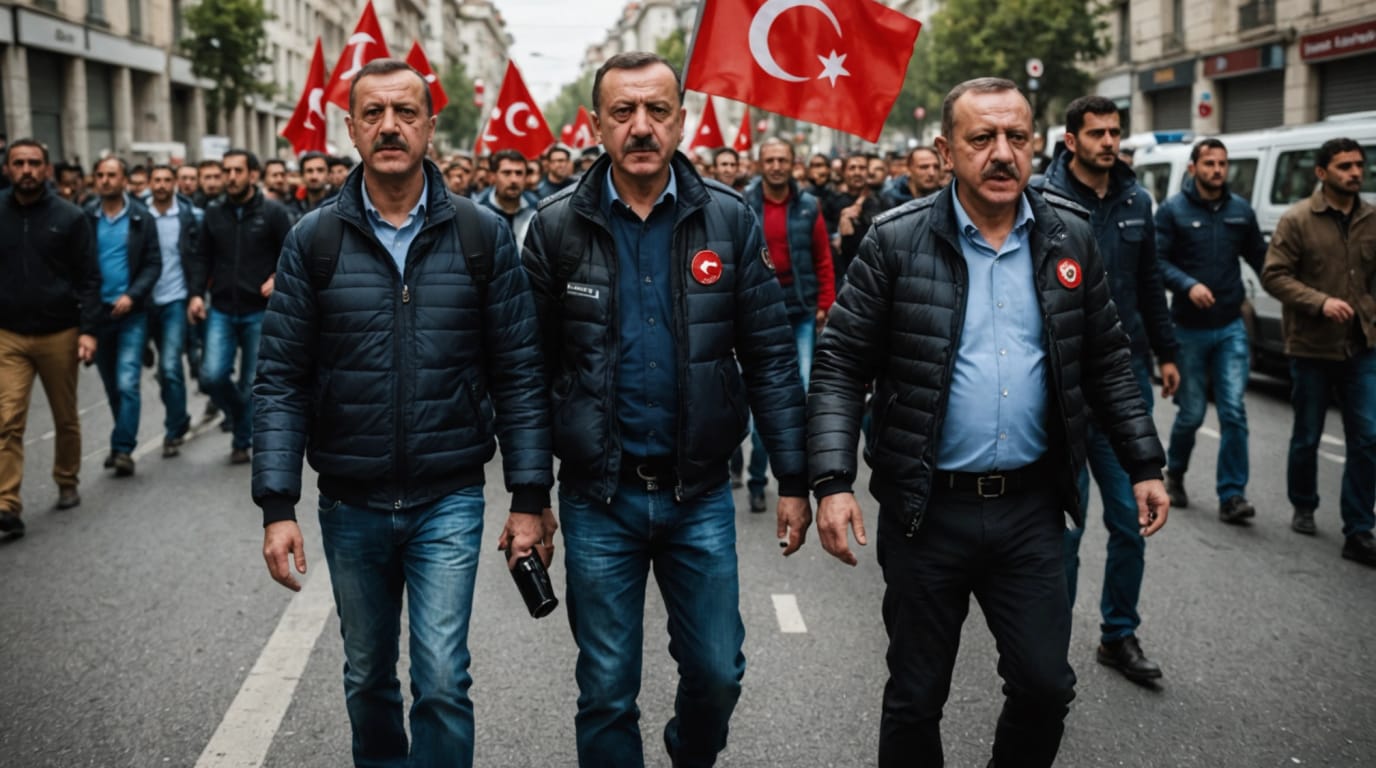
Turkey is facing increased scrutiny over its treatment of journalists as protests continue to erupt across the country following the arrest and subsequent imprisonment of Istanbul Mayor Ekrem Imamoglu. In the latest crackdown, two prominent journalists were detained, raising concerns about freedom of the press and the suppression of dissenting voices.
Dawn Raids and Accusations
On Thursday, April 10, 2025, Turkish police detained Timur Soykan, who writes for the left-leaning BirGun newspaper, and Murat Agirel of Cumhuriyet, also a left-leaning newspaper, in dawn raids at their homes in Istanbul. The journalists were taken into custody on accusations of "threat" and "blackmail," according to Turkey's private news agency Demiroren. Both newspapers have strongly condemned the detentions, asserting they are an attempt to silence critical voices amid the ongoing unrest. Cumhuriyet stated the journalists were detained "due to the possibility of the suspects escaping, destroying, altering or concealing evidence."
The prosecutor's office said the arrests were related to the sale of a television news channel called Flash Haber. However, Enes Ermaner, the lawyer for both men, said arrangements had previously been made with the prosecutor for them to voluntarily make statements Thursday.
Crackdown on Dissent
The detentions come amid a growing crackdown on dissent following the arrest of Istanbul Mayor Ekrem Imamoglu on March 19. Imamoglu, a key rival of President Recep Tayyip Erdogan and a potential presidential contender for the main opposition Republican People's Party (CHP), was jailed on corruption charges. Critics believe the arrest was politically motivated, leading to widespread protests and calls for economic boycotts. The Turkish government denies these claims.
Since Imamoglu's arrest, Turkish authorities have detained over 1,000 people, including more than a dozen journalists, allegedly involved in the protests or boycott calls. While some journalists have been released pending trial, others remain in custody.
Escalating Press Freedom Concerns
The recent detentions are part of a broader pattern of declining press freedom in Turkey. Press freedom groups have criticized Turkey for detaining journalists and enforcing a media blackout amid the protests.
In March, Turkish authorities detained and deported BBC correspondent Mark Lowen for "being a threat to public order" while he was covering the protests. The Radio and Television Supreme Council (RTÜK), a state agency regulating content, has imposed penalties, including suspension of some broadcasts, on several TV channels for broadcasting live coverage of the demonstrations.
The Committee to Protect Journalists (CPJ) has called on Turkish authorities to release the journalists in custody and end hostile behavior towards the press. "Neither the police violence targeting journalists who are covering the street protests, nor the raiding of their homes, is acceptable under any conditions," said Özgür Öğret, CPJ's Turkey representative.
International Condemnation
International organizations have voiced concerns over the state of press freedom in Turkey. Reporters Without Borders condemned "the outrageous incarceration of journalists" and urged an end to the crackdown on press freedom. "Equating professional journalists with protesters not only shows shameless bad faith but also highlights the grave interference of political power in the judiciary that is attempting to silence the media," the organization said.
A report released in January 2025 stated that Turkish authorities sentenced 58 journalists to a total of 135 years in prison, detained 112, and arrested 26 in 2024.
A History of Restrictions
Turkey's press freedom record has been a concern for many years. Since 2013, Freedom House has ranked Turkey as "Not Free." The Turkish government has been accused of arresting hundreds of journalists, closing or taking over media outlets, and preventing journalists from traveling.
In 2022, Turkey passed a law granting the government greater powers over social media and online news, raising concerns about increased censorship.
Implications for Turkish Democracy
The ongoing crackdown on journalists and media outlets raises serious questions about the state of democracy in Turkey. Critics argue that the government is attempting to silence dissent and control the flow of information, particularly in the lead-up to elections. The suppression of press freedom undermines the public's right to access diverse perspectives and hold the government accountable.
As protests continue and international pressure mounts, the Turkish government faces increasing calls to respect freedom of the press and release detained journalists. The future of Turkish democracy may depend on its willingness to uphold these fundamental rights.


