Turkey Enacts Landmark Law Paving Way for PKK Militant Reintegration
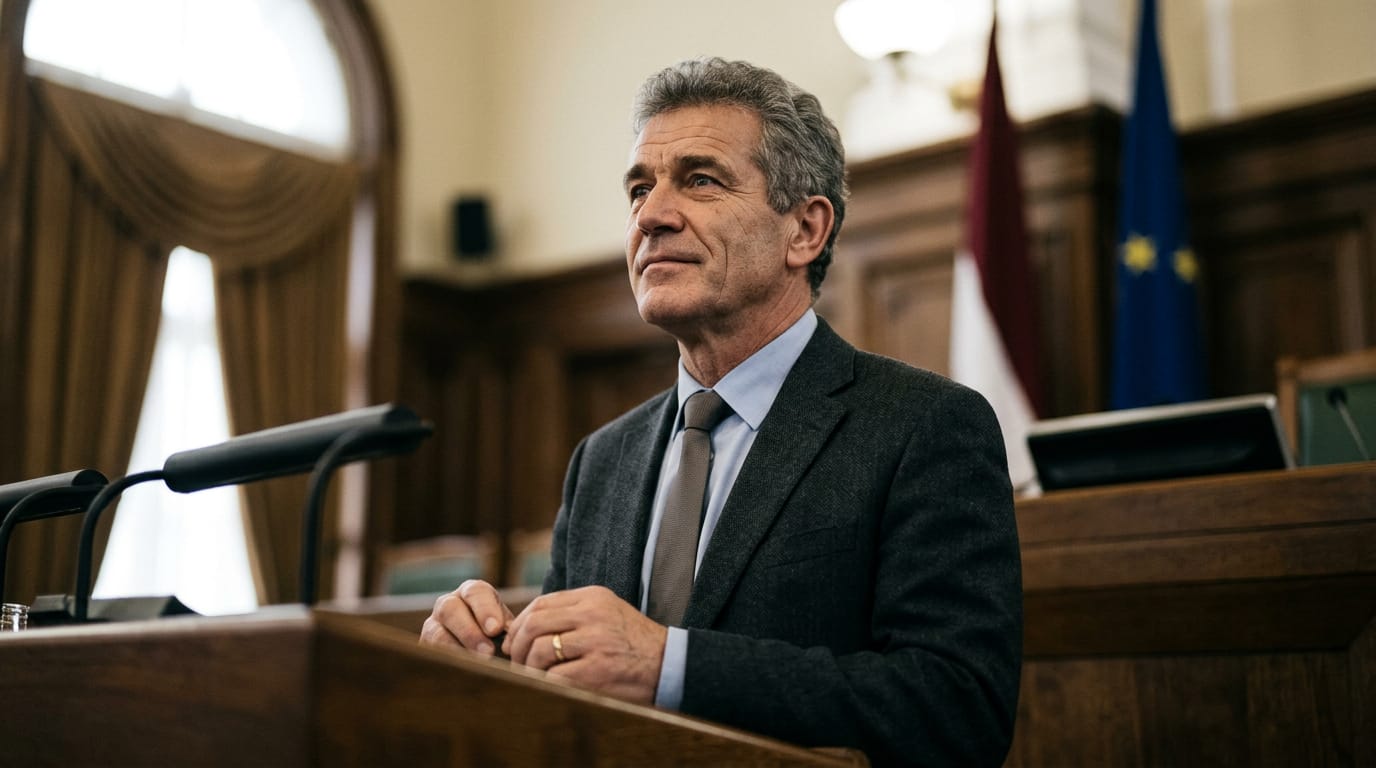
ANKARA, Turkey – In a historic legislative move aimed at definitively ending a decades-long conflict, the Turkish Parliament on Monday approved a new law establishing a legal framework for the reintegration of Kurdistan Workers' Party (PKK) militants into society. The landmark "Law on Strengthening National Solidarity and Social Integration" offers a conditional pathway for thousands of former fighters to return to civilian life, marking a significant step in the ongoing peace process that seeks to conclude an insurgency responsible for over 40,000 deaths since 1984.
The bill, submitted to parliament on August 5, 2026, received broad cross-party support, passing with 468 votes in the 600-seat assembly. This legislative action follows an intensive period of dialogue and preparatory work, signaling Ankara's commitment to a negotiated settlement for one of the nation's most enduring and costly internal conflicts. The new law is anticipated to facilitate the return of potentially thousands of former PKK militants and civilians who have been residing in hideouts, particularly in northern Iraq.
A Framework for Reconciliation
At its core, the new legislation introduces provisions for the deferral of certain prosecutions and prison sentences for former PKK members for periods ranging from five to ten years. The law specifically addresses allegations related to founding, leading, or joining the PKK, knowingly assisting the group, disseminating its propaganda, and offenses connected to terrorism financing. This targeted approach aims to distinguish between various levels of involvement within the organization, offering a chance for reconciliation to those who have not committed the most severe acts.
Crucially, the law explicitly excludes intentional killings carried out as part of the group's activities. Additionally, it does not apply to offenses committed before June 1, 2005, that carry life imprisonment or aggravated life imprisonment. This particular provision has significant implications for figures like Abdullah Öcalan, the imprisoned leader of the PKK, who has been jailed since 1999 with an aggravated life sentence and will remain incarcerated under the new framework.
Under the terms of the law, investigations and trials for offenses punishable by up to 15 years in prison will be deferred for five years. Proceedings involving heavier sentences, including life imprisonment, will see a deferral of ten years. Should an individual commit no new offenses during these deferral periods, prosecutors will close investigations, and pending cases will be dismissed, with prison sentences considered served. A vital prerequisite for the implementation of these provisions is the official verification of the PKK's dissolution by Turkey's National Security Council. Furthermore, militants not implicated in killings are offered legal protections if they return to Turkey within six months of the law's enactment.
Years in the Making: The Road to Peace
The journey towards this legislative milestone began publicly in October 2024, initiated by a surprising proposal from Nationalist Movement Party (MHP) leader Devlet Bahçeli. Bahçeli, historically known for his hardline stance against Kurdish militancy, suggested granting Öcalan the "right to hope" in exchange for the dissolution of the PKK. This overture set in motion a renewed peace effort.
In February 2025, from his prison cell, Abdullah Öcalan issued a call for the PKK to disarm and disband, a pivotal moment that underscored the growing momentum for peace. The organization responded in May 2025 by announcing its dissolution, followed by a symbolic weapons-burning ceremony in northern Iraq just two months later. A parliamentary commission was subsequently established in the second half of 2025, tasked with developing the intricate legal framework necessary to manage the disarmament and reintegration process. This extensive preparatory work laid the groundwork for the bill's submission and eventual passage.
Previous attempts at peace, notably the 2013-2015 "Solution Process," ultimately collapsed, highlighting the complexities and fragilities inherent in resolving such deeply entrenched conflicts. The PKK, designated a terrorist organization by Turkey, the United States, and the European Union, has waged an insurgency against the Turkish state since 1984, initially seeking an independent Kurdish state and later advocating for autonomy and greater political and cultural rights for Kurds within Turkey.
Political Alignment and Public Sentiment
The bill's passage was made possible by a broad political consensus, with support from President Tayyip Erdoğan's ruling Justice and Development Party (AKP), its nationalist allies in the MHP, and the pro-Kurdish Peoples' Equality and Democracy (DEM) Party. This rare display of unity across a significant portion of the political spectrum reflects a shared desire to resolve the long-standing conflict.
However, not all parties were on board. The main opposition Yeni (New) Party did not sign the bill, while the nationalist Good (İYİ) Party explicitly opposed the peace process. Furthermore, despite the parliamentary backing, public opinion polls reveal a degree of skepticism regarding whether the law will usher in lasting peace.
The PKK leadership, even as it moves towards dissolution, has also voiced criticism of the newly passed law. In a statement, the organization highlighted "mistakes and shortcomings," arguing that the legislation focuses too narrowly on disarmament without adequately addressing broader Kurdish demands for political guarantees for former fighters and the release of Öcalan. They contended that the bill's omission of the term "Kurdish" in relation to the issue suggests an incomplete approach to the conflict. The PKK further stressed the importance of Öcalan's release for many provisions of the law to be truly effective.
Looking Ahead: A New Era for Turkey
The enactment of this law marks a pivotal moment in Turkey's history, offering a potential pathway to heal deep-seated divisions and move beyond a conflict that has exacted a heavy toll in human lives and economic resources. While the law provides a legal framework for reintegration, it does not independently resolve broader Kurdish demands for expanded political and cultural rights or alter Öcalan's current status.
The Turkish government views this initiative as a crucial component of its broader goal to create a "terror-free Turkey." Kurdish politicians, meanwhile, emphasize that achieving a truly lasting peace will necessitate more comprehensive democratic and legal reforms that extend beyond the scope of this singular piece of legislation. The success of this ambitious undertaking will hinge on consistent implementation, ongoing dialogue, and the willingness of all parties to navigate the complex challenges that lie ahead in building a future of national solidarity and social integration.


