Turkey's Landmark PKK Law: A New Chapter in the Quest for Enduring Peace
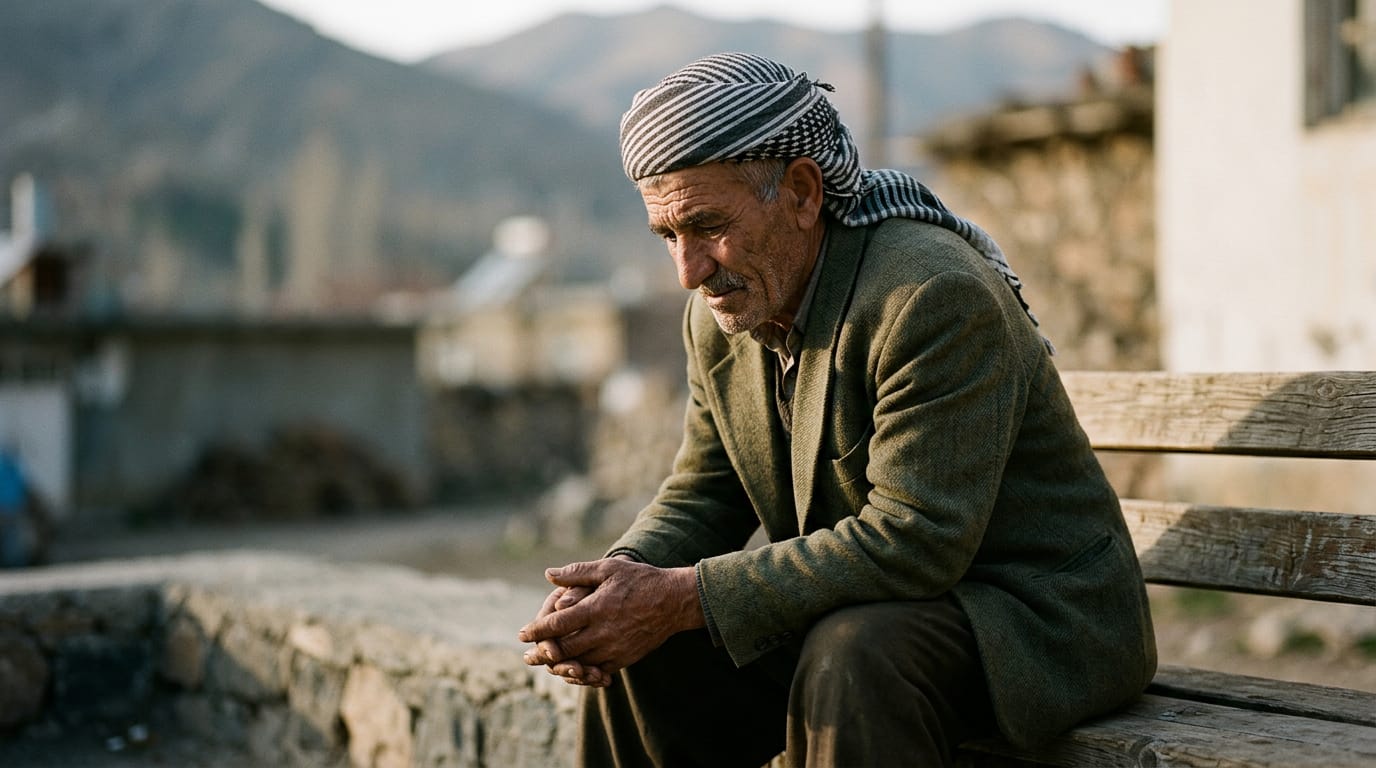
Ankara, Turkey – In a move hailed as a significant stride toward resolving a decades-long conflict, Turkey’s parliament on Monday approved a landmark legislative package designed to facilitate the disarmament and reintegration of thousands of Kurdistan Workers’ Party (PKK) militants. The "Law Proposal on Strengthening National Solidarity and Social Integration," passed with a decisive 468-88 vote, aims to bring an end to an insurgency that has claimed over 40,000 lives and deeply scarred the nation. While the legislation offers a conditional path to reprieve for many fighters, its ultimate success in ushering in a lasting peace for Turkey remains a complex and hotly debated question, contingent on further steps and the resolution of deeper political grievances.
A Historic Vote and the Path to Disarmament
The parliamentary approval on August 10, 2026, marks the most concrete legislative action by Ankara in a process initiated by jailed PKK leader Abdullah Öcalan. In February 2025, Öcalan issued a pivotal call for the PKK to disarm and disband, urging the group to pursue its objectives through non-violent means. This appeal was met with action, as the PKK announced in May 2025 its decision to end its armed struggle. Just two months later, in July 2025, the group staged a symbolic disarmament ceremony in northern Iraq, its primary base, and declared the withdrawal of fighters from key locations within Turkey. These preceding actions set the stage for the Turkish government's legislative response, aiming to provide a legal framework for former militants to return to civilian life.
The Letter of the Law: Conditional Pardons and Exclusions
The newly enacted 12-article legislation outlines a detailed, albeit conditional, framework for the rehabilitation of PKK members. Central to the law are provisions to suspend some prison sentences and postpone ongoing investigations and trials for individuals accused of certain offenses related to PKK membership. Depending on the severity of the alleged crimes, these proceedings could be suspended for five or ten years. Crucially, if no further terror-related offenses are committed within these designated timeframes, the cases will be dropped, offering a pathway for thousands of militants to avoid further prosecution.
However, the law is not a blanket amnesty. It explicitly excludes militants convicted of intentional killings and those sentenced to life imprisonment before 2005. This significant exclusion means that Abdullah Öcalan, who has been imprisoned since 1999 with an aggravated life sentence, and other senior PKK figures involved in serious crimes, will not benefit from these provisions. Furthermore, the implementation of the law is strictly contingent upon verification by the Turkish National Security Council (NSC) that the PKK has fully disarmed, disbanded, and ceased its operational existence. Eligible individuals seeking to benefit from the law must formally notify authorities of their intention within six months of the NSC's confirmation.
Divergent Hopes and Persistent Demands
The passage of this law has been met with a blend of optimism and caution across Turkey's political landscape. The Turkish government, under President Recep Tayyip Erdoğan, has framed the initiative as a crucial component of its broader vision for a "terror-free Turkey," emphasizing its commitment to ending the protracted conflict. Parliamentary Speaker Numan Kurtulmuş articulated this sentiment, stating that with the PKK laying down its arms, Turkey would enter "a new era in which peace, brotherhood and solidarity will prevail." Vice-President Cevdet Yılmaz echoed this, envisioning a "new phase of democracy and development" for the country.
However, the PKK, through its linked ANF news outlet, described the legislation as merely "a beginning" to resolving outstanding issues, noting "serious shortcomings and deficiencies." The group reiterated its demand for Öcalan's release, asserting that true peace could only advance if he were able to "live and work freely." They also highlighted the law's failure to address broader demands for democratic reforms and expanded Kurdish rights, indicating that fighters would be reluctant to return to Turkey if they could not engage in democratic politics without fear of prosecution for their views or affiliations. The pro-Kurdish Peoples' Equality and Democracy Party (DEM), while supporting the bill, also acknowledged its imperfections and stressed the need for further democratic and legal reforms to achieve lasting peace. Concerns were also raised by some opposition figures, such as Mansur Yavaş, the mayor of Ankara, who cautioned that "real peace cannot be established simply by passing a law," emphasizing the need for universal application of democracy and law.
A Decades-Old Conflict and the Broader Kurdish Question
The conflict with the PKK, designated a terrorist organization by Turkey, the United States, and the European Union, dates back to 1984. Its insurgency, initially aimed at establishing an independent Kurdish state, later evolved into a campaign for autonomy and expanded rights for Kurds within Turkey. The four-decade struggle has resulted in immense human cost and economic burden, particularly in Turkey's predominantly Kurdish southeastern regions. Past peace efforts, most notably in 2015, ultimately collapsed, leading to renewed violence.
While the new law directly addresses the issue of armed conflict and the potential reintegration of former combatants, it conspicuously avoids many of the underlying issues that fuel the broader Kurdish question. Critics and Kurdish politicians alike point out that the legislation does not, by itself, resolve demands for expanded political and cultural rights, reforms to anti-terrorism legislation, or the status of Öcalan. The public in Kurdish regions reflects this nuanced perspective, with some expressing relief and hope for improved economic conditions and an end to violence, while others remain skeptical that fundamental Kurdish rights will be addressed. The law also carries regional implications, potentially fostering closer Turkish-Iraqi ties and influencing dynamics in Syria.
Conclusion
Turkey's new PKK law represents a pivotal moment, offering a tangible framework to de-escalate armed conflict and reintegrate thousands of individuals previously involved in the insurgency. Its passage, following the PKK's announced disarmament, signifies a significant departure from decades of military confrontation. However, the path to enduring peace remains fraught with challenges. While the law addresses a critical aspect of the conflict — the physical disarmament and rehabilitation of militants — it largely sidesteps the deeper political, cultural, and social grievances that underpin the Kurdish question. The cautious optimism from some segments of society, coupled with persistent calls for broader democratic reforms and a resolution to Öcalan's status, underscore that while a crucial first step has been taken, true and lasting peace will require sustained political will, comprehensive dialogue, and a commitment to addressing the multifaceted dimensions of the conflict beyond mere cessation of hostilities.


