Turkish Comedian Convicted of Insulting President Erdogan, Released Pending Appeal
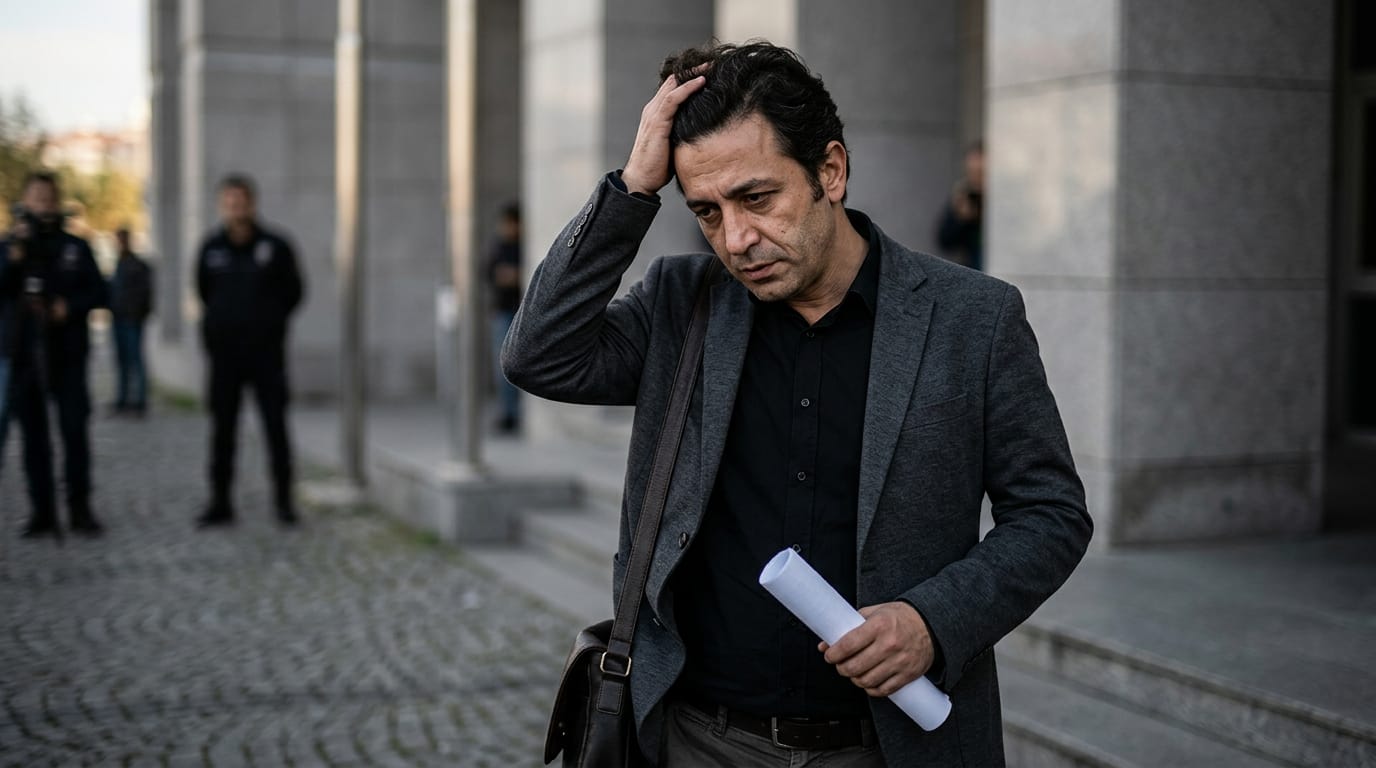
ISTANBUL — A Turkish court on Monday handed popular stand-up comic Deniz Goktas a prison sentence exceeding 19 months for insulting President Recep Tayyip Erdogan and offending religious values, concluding a high-profile trial that drew sharp international attention. Despite the conviction, the judge ordered the 32-year-old comedian released from custody on an interim basis while his legal team pursues an appeal.
The decision brought an end to nearly three months of pretrial detention for Goktas, who had been incarcerated at the Karatepe high-security facility in Tekirdag province since July. His prosecution stemmed directly from a recorded stage performance uploaded to the internet, sparking a fierce debate across the nation over satire, online speech, and the boundaries of political dissent.
The Viral Routine That Sparked Criminal Charges
The controversy began in late June following the online release of Goktas’s stand-up routine, titled "Dead Sea," which was originally recorded at a comedy venue in Istanbul. Within days, clips of the monologue circulated widely across social media networks, generating more than 9 million views on YouTube and prompting heated discussion.
In the performance, Goktas touched upon Turkey's political climate, referencing the Turkish head of state, the Quran, and broader social issues. During his set, the comedian joked about the progression of Erdogan's leadership style over his two decades in power, contrasting past political dynamics with current realities.
The reaction from state authorities was swift. Erdogan’s presidential office received roughly 185 formal citizen complaints through an official reporting registry. Turkish law enforcement arrested Goktas on July 3, shortly after his return from a holiday, opening an investigation into charges of criminal defamation, incitement to hatred, and promoting unlawful activity.
A Defiant Courtroom Appearance
During Monday’s hearing at the Caglayan justice palace in Istanbul, prosecutors sought severe penalties, initially requesting prison terms that could have totaled up to 12 years. Goktas faced three distinct criminal counts: insulting the president under Article 299 of the Turkish Penal Code, inciting the public to hatred and hostility, and praising crimes and criminals.
Throughout the session, Goktas stood by his performance, maintaining that his stage material constituted conventional political parody rather than criminal conduct. He argued that public figures in any democratic society must be open to scrutiny and artistic mockery, adding that humor has represented an enduring element of Turkish civic life for generations. Goktas also told the court that brief excerpts taken out of context had been magnified by coordinated online campaigns to distort the true nature of his performance.
The presiding judge convicted Goktas on the charge of insulting the head of state, imposing a term of 11 months and 20 days. On the second charge, the court adjusted the indictment to insulting religious values, adding a concurrent sentence of seven months and 15 days, resulting in a total sentence of 19 months and 10 days. The judge acquitted the comedian of praising criminal offenses and ruled that he could leave detention under an international travel ban until the appellate court renders a final verdict.
Mounting Scrutiny Over Free Expression
The prosecution of Goktas is not an isolated episode in Turkish jurisprudence. Legal scholars and civil society monitors note that Turkish courts have processed tens of thousands of investigations under Article 299 since Erdogan assumed the presidency in 2014. The law carries potential prison sentences ranging from one to four years, with enhanced penalties if the remarks are made in a public forum.
Human rights organizations and European legal institutions have repeatedly criticized the statute, arguing that it creates a chilling effect on journalists, artists, and ordinary citizens. Government officials consistently defend the law, maintaining that it preserves the dignity of the state office and protects the country against defamatory public attacks and religious division.
The case drew significant international oversight, with diplomatic observers from several foreign embassies, including the United States and the Netherlands, attending the courtroom proceedings alongside local civil liberties groups.
Wider Ripples Across the Arts Community
Outside the Caglayan courthouse, dozens of fellow performers, fans, and human rights advocates gathered in demonstration, waving signs that called for an immediate end to legal actions against creative workers. Many prominent voices in Istanbul’s burgeoning stand-up comedy circuit expressed anxiety over the trial's implications for live entertainment venues, which have grown rapidly in popularity among young urban Turks over the last decade.
Fellow comedians noted that while theatrical productions and written journalism have long navigated state oversight, live comedy clubs had previously enjoyed a relatively flexible space for social critique. The criminalization of Goktas’s routine has signaled to many performers that digital amplification can transform an evening club set into an actionable legal offense overnight.
Despite those concerns, several performers in attendance stated that criminal proceedings would not deter them from addressing contemporary politics onstage, framing satire as a necessary mirror for society.
An Uncertain Path Forward
Following his formal release on Monday evening, Goktas walked out of prison to reunite with family members and colleagues, expressing relief at regaining his liberty while acknowledging that his legal battle is far from over. His attorneys confirmed that they intend to challenge both convictions at the regional appeals court, contending that the European Court of Human Rights has routinely deemed penal defamation statutes concerning heads of state incompatible with basic free speech norms.
If the appellate court upholds the judgment, Goktas could face return to incarceration, though standard sentencing guidelines in Turkey often allow sentences under two years to be served through parole or probation. For now, the case remains a prominent test of how Turkey balances legal protections for high officials with the rights of its creative class to speak, satirize, and perform.