Turkish Court Orders Block of Erdogan Rival Imamoglu's X Candidacy Account, Igniting Free Speech Debate
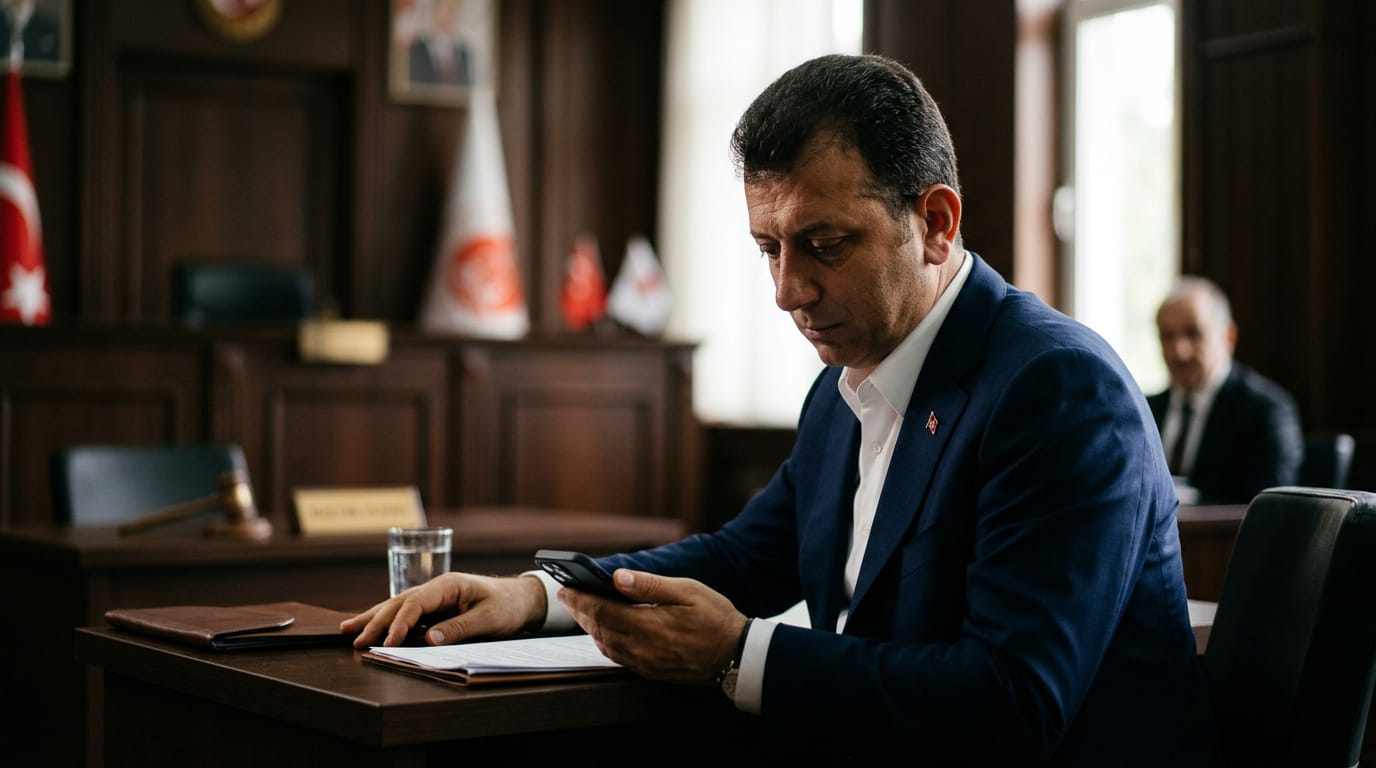
ISTANBUL, Turkey – A Turkish court has ordered social media platform X to block access to the presidential candidacy office account of jailed Istanbul Mayor Ekrem Imamoglu within Turkey, a move that critics are calling a blatant attempt to silence a prominent political rival ahead of potential future elections. X announced Tuesday its compliance with the order, citing legal obligations, but confirmed it is actively challenging the directive in court, underscoring escalating concerns over internet censorship and freedom of expression in the country.
The decision targets an account with approximately 225,700 followers, designated for Imamoglu’s presidential campaign. This latest restriction comes after Imamoglu's main X account, boasting nearly 10 million followers, was similarly blocked in May 2025 under a comparable court order. Turkish authorities justified the block by citing reasons of "national security and public order," claiming a post from the account constituted "incitement to commit a crime." They further argued that with Imamoglu currently detained, the account was not directly managed by him, thereby posing a potential threat to public order.
The Silencing of a Charismatic Challenger
Ekrem Imamoglu, the popular Mayor of Istanbul, has emerged as the most significant political rival to President Recep Tayyip Erdogan, whose ruling Justice and Development Party (AKP) has dominated Turkish politics for over two decades. Imamoglu's political trajectory saw him rise to national prominence after his upset victory in Istanbul's 2019 mayoral election, a win that was initially annulled but then re-secured with an even larger margin in a rerun. His inclusive rhetoric and administrative successes in the megacity have cemented his status as a formidable opposition leader.
However, Imamoglu's ascent has been met with increasing legal and political pressure. He was arrested on March 19, 2025, triggering widespread protests across Turkey—the largest in more than a decade. He remains jailed, facing a range of serious charges, including graft, espionage, and terrorism, all of which he vehemently denies, asserting they are politically motivated. Days after his detention, the Republican People's Party (CHP) officially nominated him as its presidential candidate. Further complicating his potential candidacy, Istanbul University annulled his university diploma just a day before his arrest, a credential legally required for presidential candidates. These actions have been widely perceived by his supporters and international observers as calculated attempts to sideline him from the political arena.
X Navigates a Complex Legal Landscape
Social media platform X, under the ownership of Elon Musk, has frequently championed itself as a defender of free speech. Nevertheless, the company acknowledges it must comply with valid local laws in countries where it operates, often opting to challenge such orders through judicial processes rather than face more severe repercussions, such as a complete platform shutdown. In its statement regarding the recent block, X affirmed its disagreement with the Turkish court’s order and confirmed it has initiated legal proceedings to contest the decision. The platform's Global Government Affairs account emphasized the importance of keeping X accessible in Turkey to support freedom of expression and access to information. This balancing act highlights the difficult position global tech companies face when confronted with national censorship demands that clash with their stated principles.
A Pattern of Digital Clampdowns
This recent blocking order is not an isolated incident but rather fits into a broader pattern of increasing internet censorship and restrictions on digital communication in Turkey. Over the past decade, internet freedom in the country has seen a steady decline. The Turkish government has systematically expanded its legal framework to control online content, frequently citing national security and public order concerns to justify blocks and content removals. Hundreds of websites, online articles, and social media posts have been blocked or removed, and individuals, including journalists and activists, have faced legal charges for their online content.
The "Disinformation Law," enacted in October 2022, further tightened controls, introducing prison sentences for individuals spreading information deemed "false," a provision that has been used to target political opposition and critical journalists. Social media platforms have been particularly vulnerable, with numerous accounts belonging to opposition figures, journalists, and news organizations being blocked, especially during politically sensitive periods such as Imamoglu’s arrest or election cycles. Authorities have also resorted to temporarily throttling access to entire social media networks during times of political unrest or anticipated criticism, as seen after the devastating earthquakes in February 2023 and during protests following Imamoglu's detention. Rights groups consistently condemn these actions, characterizing them as assaults on free speech and democratic principles.
Implications for Turkey's Political Future
The blocking of Ekrem Imamoglu's presidential candidacy account on X deepens concerns about the fairness of future elections and the state of democracy in Turkey. As a leading opposition figure and a prospective presidential candidate, Imamoglu relies heavily on social media to communicate with supporters and disseminate his message, particularly while he remains incarcerated. The systematic curtailment of his digital presence starves his campaign of vital communication channels and limits public access to diverse political perspectives.
The government's actions, justified under broad interpretations of national security and public order, reinforce fears that digital spaces are increasingly being weaponized to suppress dissent and manage public discourse. While X attempts to legally challenge these orders, the immediate effect is a chilling one for free expression in Turkey. The ongoing judicial battles over Imamoglu’s freedom, his right to run for office, and his ability to communicate online will continue to shape the narrative around the country's democratic trajectory and its commitment to fundamental freedoms.