U.S. and Saudi Arabia Forge Historic Civilian Nuclear Energy Pact Amidst Geopolitical Shifts
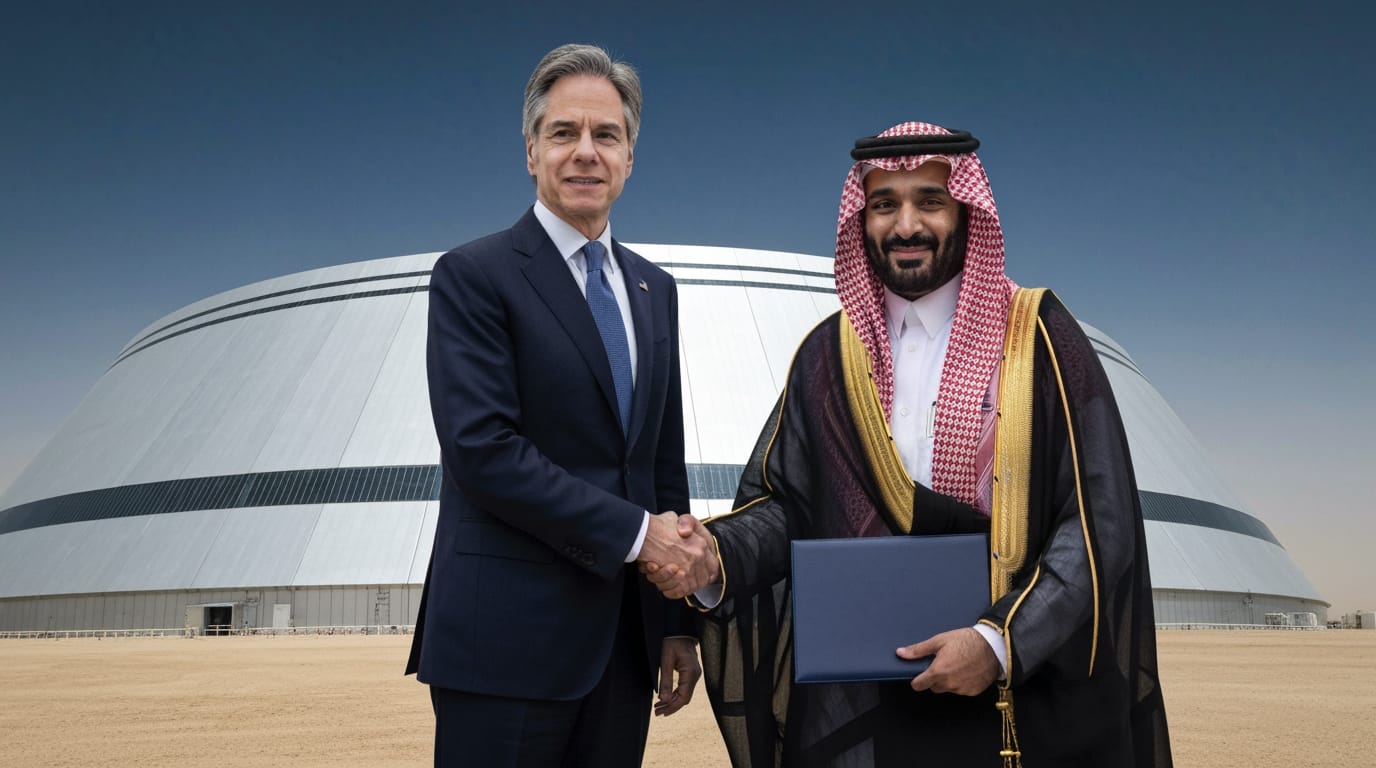
WASHINGTON, D.C. — The United States and Saudi Arabia are poised to embark on a landmark 30-year civilian nuclear energy cooperation agreement, a move anticipated to reshape geopolitical dynamics in the Middle East and globally. Approved by President Donald Trump, the deal, expected to be formally announced and signed on Wednesday, July 22, 2026, would grant Saudi Arabia a pathway to domestic uranium enrichment for peaceful purposes, with significant involvement from U.S. firms. This multibillion-dollar initiative, formalizing years of negotiations, aims to strengthen U.S. influence in the Gulf while fueling Saudi Arabia's ambitious energy diversification goals under Vision 2030, even as it ignites debate over nuclear non-proliferation.
A New Era of Energy Partnership Unveiled
At its core, the agreement, referred to as a "Joint Declaration on the Completion of Negotiations on Civil Nuclear Cooperation" and slated for submission to Congress as a Section 123 Agreement, establishes a comprehensive framework for collaboration in the civilian nuclear sector. The deal, projected to span three decades and valued at tens of billions of dollars, is designed to ensure that U.S. companies play a leading role in developing Saudi Arabia's nuclear infrastructure. This includes the potential construction of an American-built uranium enrichment facility within the Kingdom, contingent upon a joint U.S.-Saudi feasibility study. Such a provision marks a notable shift in U.S. non-proliferation policy, as it would allow an emerging nuclear state to enrich its own uranium. Proponents argue this controlled involvement of U.S. technology and oversight is crucial to preventing the misuse of nuclear capabilities and to counter potential bids from Russia or China for similar projects. Furthermore, the agreement could position Saudi Arabia as a vital supplier of enriched uranium to the U.S. nuclear industry, thereby lessening American reliance on Russian sources. Beyond nuclear energy, the cooperation also extends to Saudi supplies of critical rare earth minerals to the United States.
Geopolitical Chessboard: Strategic Imperatives and Regional Shifts
The motivations driving this historic accord are multifaceted, reflecting complex strategic imperatives for both Washington and Riyadh. For the United States, the deal represents a significant effort to solidify its geopolitical standing in the Gulf region. By securing a dominant role in Saudi Arabia's nuclear program, Washington seeks to counter the expanding influence of rival powers such as Iran, Russia, and China. It also offers a substantial boost to the American nuclear industry, fostering exports and potentially creating numerous jobs.
For Saudi Arabia, the agreement is deeply intertwined with its ambitious Vision 2030, a blueprint for economic diversification away from its traditional oil-based economy. The Kingdom faces soaring domestic energy demands and aims to integrate nuclear power into its energy mix to ensure a stable supply of electricity and desalinated water. With vast domestic uranium reserves, Saudi Arabia seeks to develop a full nuclear fuel cycle, from yellowcake production to low-enriched uranium and fuel manufacturing, both for its own use and for potential export. This pursuit of nuclear energy also serves a strategic hedging function in a volatile region. Crown Prince Mohammed bin Salman has previously stated that Saudi Arabia would acquire nuclear weapons if its regional adversary, Iran, were to do so, underscoring a strategic desire to match regional capabilities. This deal, however, is distinct from previous Biden administration efforts that had linked a nuclear agreement to Saudi Arabia's normalization of ties with Israel, an initiative sidetracked by recent regional conflicts.
Navigating the Non-Proliferation Minefield
Despite the strategic benefits, the deal has immediately drawn scrutiny and raised significant non-proliferation concerns, particularly regarding the provision for Saudi uranium enrichment on its own soil. While uranium enrichment is a standard process for producing fuel for nuclear power plants, the same technology, if taken to higher levels of enrichment, can also produce weapons-grade material. Critics and non-proliferation experts have expressed alarm, noting that allowing enrichment capabilities in a volatile region could set a dangerous precedent and potentially weaken global non-proliferation efforts.
A key point of contention is the nature of the safeguards and inspections. While the agreement reportedly includes rigorous non-proliferation standards, some reports suggest it might involve "limited international inspections" or even a waiver from the more aggressive international inspections typically required in such nuclear deals, unlike those applied to other U.S. partners like the United Arab Emirates. The deal stipulates that any enrichment technology on Saudi soil would be controlled by U.S. companies and not shared with the Saudis directly, aiming to prevent the development of nuclear weapons. However, Saudi Arabia's past refusal to adopt certain basic non-proliferation agreements, such as the Additional Protocol to the Nuclear Non-Proliferation Treaty (NPT), further fuels these concerns, despite its membership in the NPT and its agreement to implement the IAEA's Comprehensive Safeguards Agreement. The agreement now faces a mandatory 90-day review period in the U.S. Congress, where it is expected to encounter significant debate and potential bipartisan pushback.
Economic Impetus and Environmental Aspirations
Beyond its strategic and security dimensions, the agreement carries substantial economic and environmental implications. For the United States, the deal signifies a crucial opportunity to revitalize its domestic nuclear industry, offering American companies a competitive edge in a rapidly growing global market. This could translate into significant export revenues and job creation within the U.S. nuclear sector.
For Saudi Arabia, the development of a civilian nuclear energy program is a cornerstone of its long-term economic and environmental sustainability. The Kingdom currently relies heavily on fossil fuels for electricity generation, consuming over a quarter of its oil production. With energy demand projected to increase substantially, nuclear power offers a clean, reliable alternative to reduce its carbon footprint and free up more oil for export. This aligns with Saudi Arabia's commitment to becoming carbon neutral, with aims to produce 50% of its electricity from renewables by 2030. The utilization of its vast domestic uranium resources further enhances its energy independence and creates new economic sectors.
A Complex Path Forward
The civilian nuclear energy deal between the United States and Saudi Arabia represents a profound inflection point in international relations and energy policy. It embodies a delicate balance between strategic geopolitical objectives, economic opportunities, and the ever-present challenge of nuclear non-proliferation. While the agreement promises to deepen the U.S.-Saudi strategic partnership and support Saudi Arabia's vision for a diversified, sustainable energy future, it simultaneously introduces complex questions about regional stability and the future of global nuclear safeguards. As the deal moves through the U.S. congressional review process, the world will be watching closely to see how this ambitious collaboration navigates its inherent opportunities and risks, ultimately shaping the energy landscape and security architecture of the Middle East for decades to come.


