U.S. Bans Former Argentine President Fernández de Kirchner Over Graft Allegations
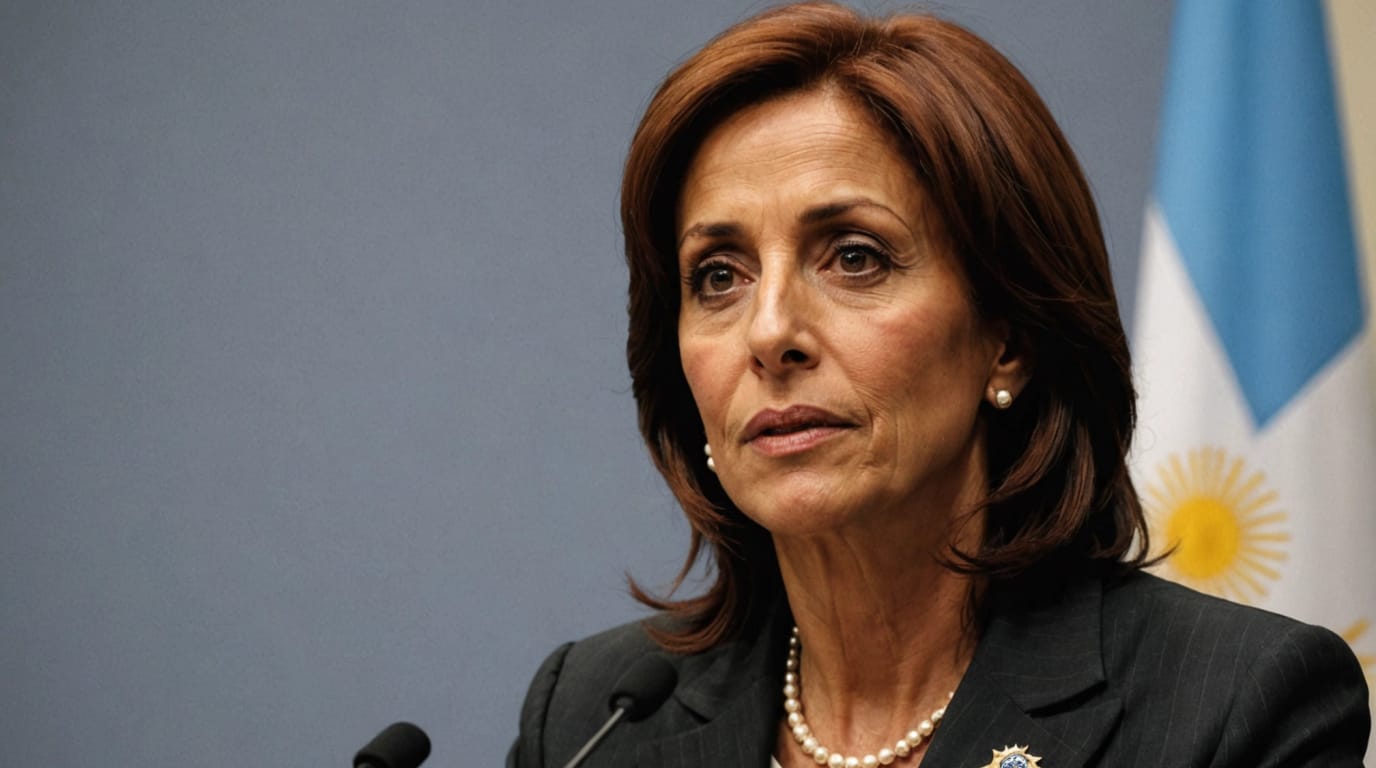
The United States State Department has barred former Argentine President Cristina Fernández de Kirchner from entering the country, citing her involvement in "significant corruption" during her time in office. The action, announced Friday by Secretary of State Marco Rubio, also extends to Fernández's former planning minister, Julio Miguel De Vido, and their immediate family members.
Allegations of Bribery and Embezzlement
Rubio stated that Fernández and De Vido abused their positions by orchestrating and profiting from multiple bribery schemes related to public works contracts. These schemes allegedly resulted in millions of dollars being stolen from the Argentine government. The State Department's action underscores the U.S. commitment to combating global corruption, even at the highest levels of government.
Fernández, who served as president from 2007 to 2015 and as vice president from 2019-2023, has faced numerous corruption allegations throughout her career. The most notable case is the "Vialidad case," where she was accused of favoring businessman Lázaro Báez, a close associate of her late husband and former President Néstor Kirchner, in the awarding of public works contracts.
Legal Battles and Convictions in Argentina
In December 2022, Fernández was sentenced to six years in prison and banned from holding public office for life after being convicted of administrative fraud. The three-judge panel found her guilty of a scheme to embezzle millions of dollars through public works projects during her presidency. However, she remains free due to her vice-presidential immunity and is currently appealing the ruling. In November 2024, a tribunal in Argentina upheld the six-year prison sentence and lifetime ban from holding public office against Fernández. However, the ruling is not final as she can still appeal to the Supreme Court.
De Vido has also been at the center of several corruption scandals, including accusations of receiving $25 million in bribes from the Brazilian construction giant Odebrecht.
Impact on U.S.-Argentina Relations
The travel ban imposed on Fernández and De Vido could strain relations between the United States and Argentina. Fernández has been a dominant political figure in Argentina for many years, and the U.S. action could be seen as interference in Argentina's domestic affairs.
The U.S. has a long history of fighting corruption, and this action sends a strong message that the U.S. will not tolerate corruption, even at the highest levels of government.
Fernández's Response and Political Context
Fernández has consistently denied all accusations against her, claiming that she is a victim of political persecution. She has accused the judiciary of corruption and bias, alleging that they are acting on behalf of her political opponents.
The corruption allegations against Fernández have deeply divided Argentine society. Her supporters view her as a champion of the poor and working class, while her opponents see her as a symbol of corruption and impunity.
Implications for Argentina's Future
The U.S. travel ban and the ongoing legal battles against Fernández could have significant implications for Argentina's political future. With Fernández barred from holding public office, it remains to be seen who will emerge as the leading figure in the Peronist movement, which has dominated Argentine politics for decades.
The corruption scandals have also undermined public trust in government and institutions, making it more difficult for Argentina to address its economic and social challenges.
The U.S. action against Fernández underscores the importance of accountability and transparency in government. It also serves as a reminder that corruption can have far-reaching consequences, both for individuals and for entire nations.


