U.S. Election Integrity: A Decentralized Fortress Against Unilateral Takeover
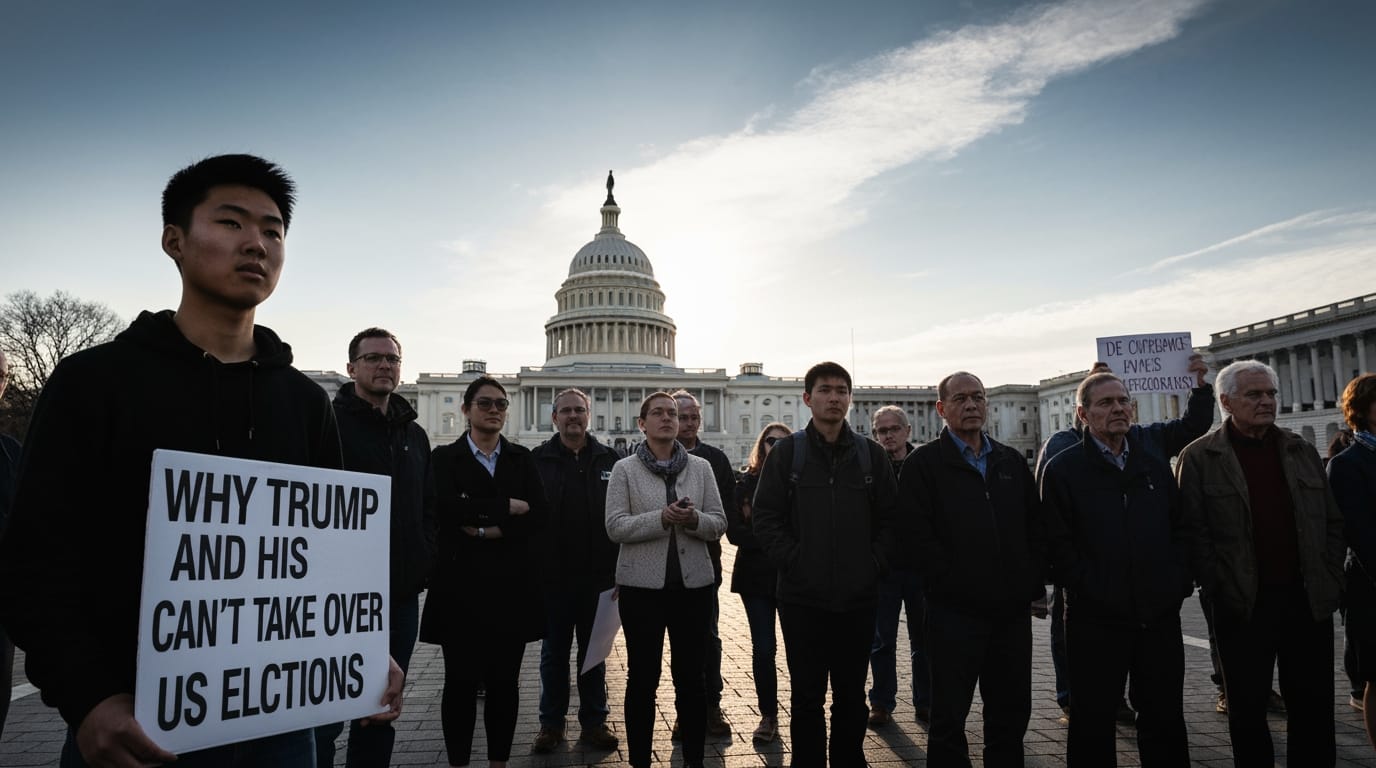
Despite persistent rhetoric and challenges to the integrity of the electoral process, the American system of elections is structured with deep-rooted constitutional principles, intricate legal frameworks, and practical administrative safeguards that collectively render a singular, partisan takeover exceedingly difficult. The United States does not operate a centralized election system; instead, it relies on a complex, multi-layered approach involving thousands of state and local entities, creating a robust, albeit sometimes unwieldy, bulwark against subversion.
Decentralization: The Primary Shield of American Democracy
The foundational strength of U.S. elections lies in their decentralized nature, a design enshrined in the Constitution. Unlike many nations with centralized election authorities, the power to administer elections in the United States primarily rests with individual states. This critical distinction means that there is no single federal entity or official with the authority to unilaterally control the entire process. Instead, elections are overseen by more than 10,000 independent local jurisdictions, including counties, cities, and towns, each operating under their own specific state laws and regulations.
This fragmented administration ensures that any attempt to manipulate election outcomes would necessitate coordinated efforts across numerous, often politically diverse, jurisdictions. Each state, and often each county within it, has its own rules for voter registration, ballot design, polling place operations, and vote tabulation. Secretaries of State or appointed commissions in individual states are responsible for certifying, tabulating, and reporting votes, acting as key gatekeepers in the process. The President of the United States, notably, possesses no constitutional authority over the administration of federal elections, and attempts by an executive to assert such control have been met with legal challenges and constitutional experts highlighting the states' clear role. This diffused power structure inherently complicates any large-scale, top-down effort to corrupt the electoral system.
A Robust Legal and Constitutional Framework
Beyond decentralization, a comprehensive web of laws and constitutional provisions forms the bedrock of election integrity. Article I, Section 4 of the U.S. Constitution, known as the Elections Clause, empowers state legislatures to prescribe the "Times, Places and Manner" of holding congressional elections, while granting Congress the power to "make or alter such Regulations." This shared authority allows for both state-specific adaptations and federal oversight to ensure fairness. Landmark federal legislation, including the Civil Rights Acts of 1870, 1957, 1960, and 1964, and the Voting Rights Act of 1965, have established crucial protections against voter discrimination and ensured broad access to the ballot.
A significant development in reinforcing these legal protections was the bipartisan passage of the Electoral Count Reform Act (ECRA) in 2022. This act updated the antiquated Electoral Count Act of 1887, which had long been criticized for its ambiguities. The ECRA clarified that the role of the Vice President in counting electoral votes is purely ministerial, explicitly stripping any power to reject electoral slates. Furthermore, it significantly raised the threshold for members of Congress to object to electoral votes, requiring at least one-fifth of both the House and Senate to concur, thereby making frivolous challenges much more difficult to mount. The ECRA also streamlines the judicial review process for presidential and vice-presidential candidates challenging election results, emphasizing legal avenues over political maneuvering. This legislative strengthening serves as a direct response to attempts to subvert the certification process, offering clearer guidelines and higher barriers to overturning legitimate election outcomes.
Layers of Assurance: Bipartisan Administration and Post-Election Scrutiny
The practical administration of elections is further fortified by bipartisan involvement and rigorous post-election scrutiny. At the local level, election boards often feature representatives from both major political parties, ensuring shared oversight of the process. These officials, numbering over 10,000 across the country, are responsible for implementing standard operating procedures to ensure accuracy.
A crucial layer of protection comes from post-election audits and recounts. Audits are a routine part of the post-election process designed to verify the accuracy and integrity of results. These audits, required in 49 states, often involve recounting a sample of paper ballots, sometimes by hand, to confirm that voting equipment accurately tabulated results. By 2026, an estimated 96% of voters will cast ballots that produce a voter-verifiable paper record, which is essential for these audits and potential recounts. Recounts, initiated in close contests or by candidate requests, provide an additional opportunity to verify outcomes by re-examining all ballots for a specific contest. The objective nature of these processes helps build confidence that the voting system worked as intended and that results are accurate. The Department of Justice also ensures that federal law constraints are followed during these audits.
Technological Fortifications and Cybersecurity Defenses
In an era of increasing digital threats, the technological infrastructure of U.S. elections is continuously being strengthened. The U.S. Election Assistance Commission (EAC) plays a vital role by setting voluntary guidelines for states and operating a national program to certify voting systems, independently verifying their compliance with functional, accessibility, and security requirements. States then enact their own laws and policies to further protect election integrity, often requiring the use of EAC-certified or state-tested systems.
Physical security measures are also commonplace, including locks, tamper-evident seals on equipment, security cameras, and system testing before and after elections. Furthermore, significant resources are dedicated to cybersecurity. The Cybersecurity and Infrastructure Security Agency (CISA) designates election infrastructure as critical infrastructure and collaborates with state and local governments, election officials, and private sector partners to manage risks. CISA provides tools and services for risk management, vulnerability scanning, multi-factor authentication, and the crucial practice of maintaining offline backups of voter databases to protect against ransomware and other cyberattacks. These collective efforts aim to secure voter registration databases, IT systems used to manage elections, voting machines, and polling places from sophisticated threats, including foreign interference.
Conclusion: A Resilient System Enduring Scrutiny
The U.S. election system, often criticized for its complexity, derives its resilience precisely from this intricate structure. The decentralized administration, robust constitutional and legal safeguards, bipartisan oversight, meticulous auditing procedures, and evolving cybersecurity measures combine to form a formidable barrier against any singular attempt to "take over" American elections. While vulnerabilities can and do exist, requiring continuous vigilance and improvement, the interconnected layers of defense make it exceptionally difficult for any single actor or political faction to unilaterally subvert the democratic process on a national scale. The system is designed not for speed or simplicity, but for security, transparency, and accountability, ensuring that the will of the voters, as accurately tabulated and certified, ultimately prevails.


