U.S.-Iran Talks Reconvene in Oman Amid Deep Divisions, Regional Tensions
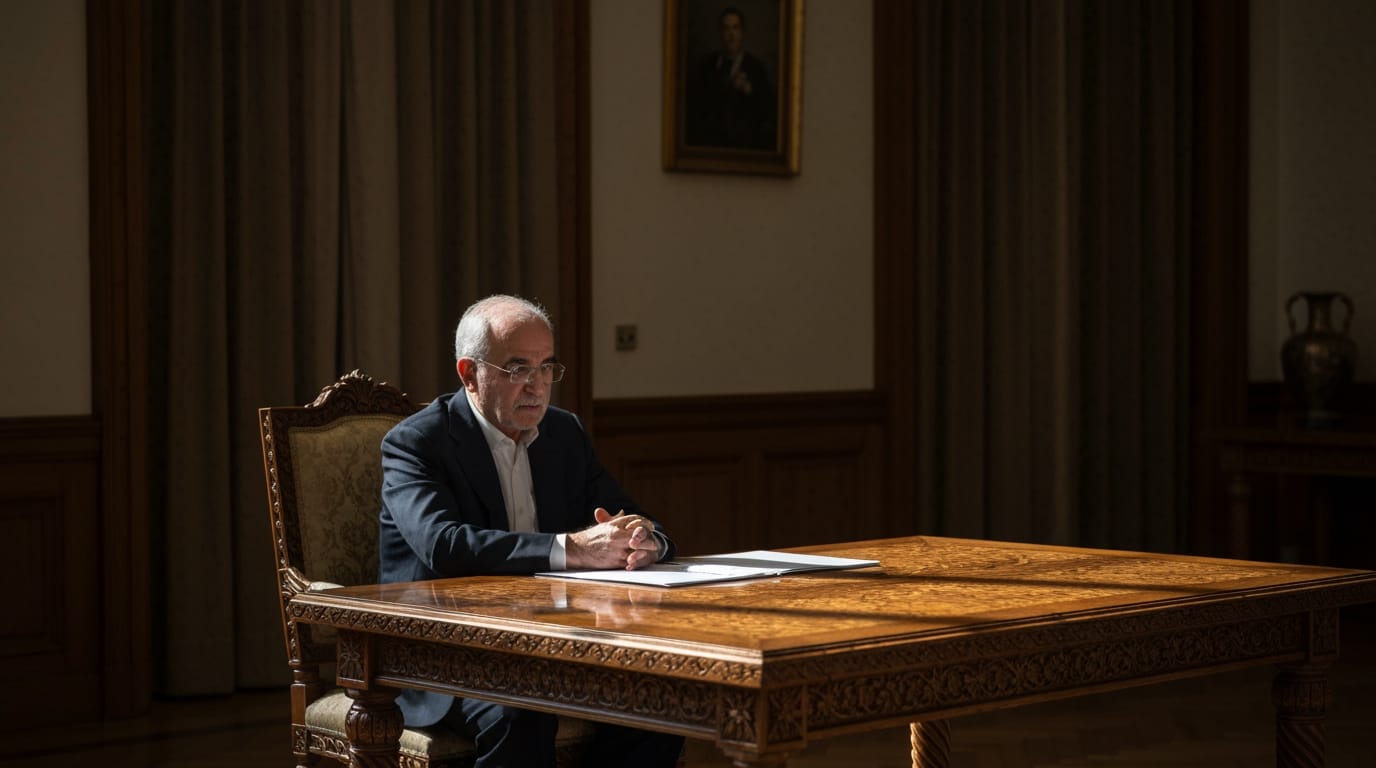
Muscat, Oman – High-stakes negotiations between the United States and Iran are set to resume in Oman on Friday, February 6, following a last-minute reversal that salvaged discussions initially on the brink of collapse. The eleventh-hour agreement to proceed highlights the precarious nature of diplomacy between the two long-standing adversaries, underscored by a significant military buildup in the Persian Gulf and stark warnings from Washington. As delegates gather in Muscat, the fundamental disagreement over the scope of any potential deal remains a formidable obstacle, testing the limits of how far Tehran is willing to bend to de-escalate tensions and secure relief from crippling international pressure.
Diplomacy on a Knife Edge
The scheduled talks in Oman represent a critical, albeit fragile, diplomatic channel that nearly dissolved earlier this week. Initial plans for discussions in Turkey faltered when Iran sought to relocate the venue to Oman and restrict the agenda strictly to its nuclear program. The United States, which desires a broader discussion encompassing Iran's ballistic missile capabilities and regional proxy networks, initially balked at these conditions. However, intervention by several Arab and Muslim nations reportedly persuaded Washington not to abandon the negotiations, leading to the eventual agreement for talks in Muscat. Iranian Foreign Minister Abbas Araghchi confirmed the revived schedule, while U.S. officials also acknowledged the upcoming meeting.
The resumption of talks follows a period of intense pressure and escalating rhetoric. President Donald Trump has issued stern warnings to Iran's Supreme Leader Ayatollah Ali Khamenei, suggesting Khamenei "should be very worried" and signaling that "bad things" could occur if an agreement is not reached. These pronouncements are backed by a substantial deployment of U.S. naval and airpower in the region. The delicate balance between coercive posturing and diplomatic engagement illustrates the deep distrust that continues to shadow any potential breakthrough.
Tehran's Unyielding Red Lines and Internal Factions
A central point of contention in the upcoming discussions, and indeed in the history of U.S.-Iran relations, is Tehran's unwavering insistence on limiting negotiations solely to its nuclear program. Iranian officials have consistently declared that their ballistic missile program and support for regional allies are non-negotiable "red lines," viewing them as integral to national security and deterrence. This stance directly clashes with Washington's broader demands. Furthermore, Iran maintains its sovereign right to enrich uranium within its borders and has resisted calls to transfer its existing stockpile of highly enriched uranium out of the country. Russia's standing offer to take custody of this stockpile has not swayed Tehran's position.
Internal political dynamics within Iran further complicate any diplomatic overtures. The country's leadership frequently exhibits conflicting signals, a pattern attributed to factional infighting that often undermines a coherent negotiating strategy. Ultraconservative voices within the Iranian parliament have openly criticized Foreign Minister Araghchi for engaging in talks, advocating instead for "pre-emptive action against the enemy." While decisions on engaging with the United States ultimately rest with the Supreme Leader, Ayatollah Ali Khamenei, the vocal dissent from hardliners highlights the domestic political risks associated with perceived concessions. Despite past indications of potential flexibility, such as a reported 2025 proposal to temporarily lower uranium enrichment in exchange for sanctions relief, the current public position emphasizes staunch resistance on key non-nuclear issues.
The Weight of Sanctions and Regional Turmoil
Iran enters these negotiations under immense duress. The nation's economy remains in shambles, exacerbated by international sanctions, and widespread mass protests rejecting clerical rule have rocked the country in late 2025 and early 2026. Military setbacks and an existential water crisis have further narrowed Tehran's strategic options, contributing to the assessment by U.S. officials that Iran is in a "weak negotiating position" and has "badly overreached itself." This confluence of internal and external pressures likely plays a significant role in Tehran's decision to engage in talks, even while maintaining a defiant public posture. The memory of the 2025 Iran-Israel war, which ignited after a previous deadline for a nuclear agreement passed, also serves as a stark reminder of the potential for conflict escalation. Iran's leadership is reportedly concerned that further U.S. military action could destabilize its grip on power amidst an already enraged populace.
Washington's Broader Agenda and Strategic Patience
Conversely, the United States approaches these discussions with a far broader set of demands, extending well beyond nuclear constraints. Secretary of State Marco Rubio has clearly stated that for any talks to be truly meaningful, they must address Iran's ballistic missile program, its support for various proxy groups across the Middle East, and even the treatment of its own citizens. This expansive agenda reflects Washington's desire for a comprehensive resolution to the broader challenges posed by Iran's regional conduct and internal policies.
Despite expressing skepticism about the likelihood of a successful outcome, the U.S. leadership, including President Trump, has indicated a willingness to engage diplomatically, emphasizing that merely meeting with Iranian officials does not constitute a concession or an act of legitimization. This dual-track approach—combining military threats and diplomatic overtures—aims to leverage Iran's vulnerabilities to secure significant concessions. However, Washington also faces its own strategic dilemmas, including the financial and opportunity costs of a large forward military posture and the complex regional implications of any dramatic shift in Iran's internal stability.
An Uncertain Path Forward
As the U.S. and Iranian delegations prepare to meet in Muscat, the path forward remains fraught with uncertainty. Tehran's willingness to make a deal hinges on a complex calculus of self-preservation, economic necessity, internal political stability, and deeply held ideological tenets. While the economic pressures are immense and military risks palpable, Iran has consistently framed its nuclear program as an inalienable right and its ballistic missiles as essential for defense. The United States, on the other hand, appears determined to push for a more extensive agreement that addresses not only nuclear proliferation but also regional destabilization and human rights concerns.
The core question of how far Tehran will ultimately go to make a deal remains unanswered. The current round of talks may determine whether the two nations can find enough common ground to avert further escalation, or if the fundamental divergence in their strategic objectives will condemn diplomacy to another stalemate. The global community watches closely, hopeful for a resolution that can bring stability to a volatile region, yet acutely aware of the deep-seated mistrust and conflicting priorities that continue to define the U.S.-Iran relationship.