U.S. Escalates Confrontation with International Criminal Court Over Sovereignty Concerns
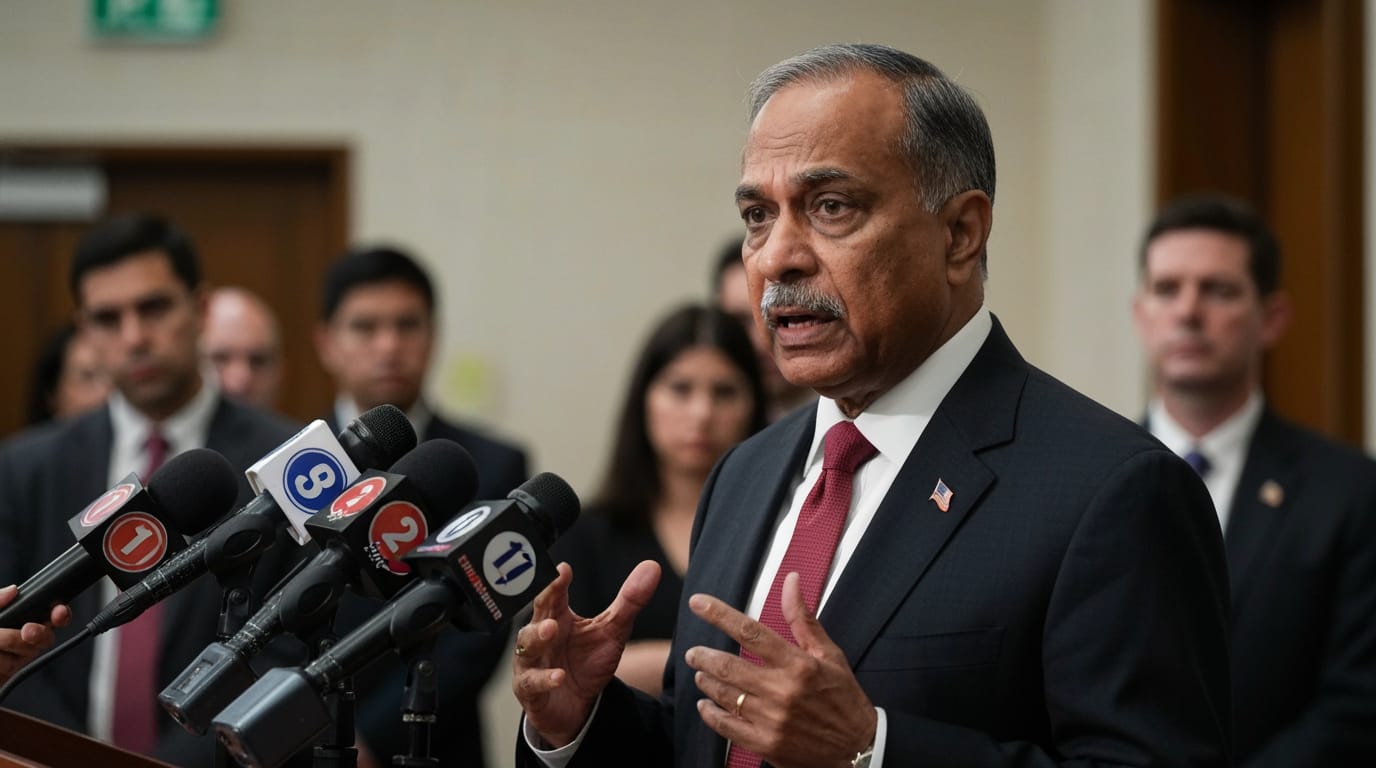
The United States has dramatically intensified its long-standing opposition to the International Criminal Court (ICC), launching a concerted diplomatic campaign aimed at undermining the court's authority and preventing investigations into American and allied personnel. This aggressive stance, particularly pronounced during recent administrations, underscores deep-seated concerns within Washington regarding national sovereignty, the protection of its military and officials, and the perceived threat of politically motivated prosecutions by an international body it does not formally recognize. The ongoing confrontation highlights a fundamental divergence in legal philosophy and jurisdiction between the world's most powerful nation and the international institution established to prosecute the gravest crimes.
The Foundation of Disagreement: U.S. Non-Membership and Early Apprehensions
The United States, despite being a historical supporter of international justice, has never ratified the Rome Statute, the foundational treaty of the ICC, which came into force in 2002. While the Clinton administration signed the statute in 2000, it withheld submission to the Senate for ratification due to apprehension that joining the court could expose U.S. servicemembers and government leaders to potentially politicized legal actions. This initial hesitation solidified into outright opposition under subsequent administrations, particularly driven by fears that the ICC's territorial jurisdiction could extend to U.S. personnel operating in member countries, even though the U.S. is not a state party.
The ICC operates on the principle of complementarity, meaning it acts as a court of last resort, exercising jurisdiction only when national authorities are unwilling or genuinely unable to investigate and prosecute grave crimes such as genocide, war crimes, crimes against humanity, and the crime of aggression. However, the U.S. has consistently maintained that its robust domestic legal and military justice systems are fully capable of addressing any alleged misconduct by its personnel, rendering ICC intervention unnecessary and illegitimate. Critics within the U.S. have also raised concerns about the ICC's due process standards and its compatibility with the U.S. Constitution.
A New Era of Hostility: Sanctions and Declarations of Illegitimacy
The relationship between Washington and The Hague significantly deteriorated under the first and second Trump administrations, evolving into what many observers describe as outright hostility. In 2018, National Security Advisor John Bolton publicly declared that the U.S. would not cooperate with the ICC and threatened retaliatory measures against its staff and member states if they pursued investigations involving American or allied citizens. This was followed by a definitive statement from then-President Trump to the UN General Assembly, asserting that "the ICC has no jurisdiction, no legitimacy, and no authority" over the United States.
Further escalation occurred with the imposition of visa bans and financial sanctions against ICC officials, including its chief prosecutor and judges, specifically targeting those involved in investigating alleged U.S. war crimes in Afghanistan or issuing arrest warrants against Israeli leaders. In February 2025, an executive order declared the ICC's actions a "national emergency," accusing the court of illegitimate and baseless targeting of U.S. and allied personnel. These punitive measures were framed as necessary to protect current and former U.S. personnel from potential harassment, abuse, and arrest, which Washington views as directly infringing upon its sovereignty and undermining national security interests.
While the Biden administration in 2021 revoked some of these specific sanctions, it maintained a firm stance against the ICC's asserted jurisdiction over U.S. and Israeli officials, signaling that fundamental disagreements persist despite a shift in diplomatic tone. However, the current administration has continued to leverage these measures against ICC officials involved in cases concerning Israel and the United States.
The Sovereignty Imperative and the "Hague Invasion Act"
At the core of the U.S. government's aggressive posture lies the argument that the ICC's attempts to assert jurisdiction over non-member states like the U.S. constitute an intolerable infringement on American sovereignty. This concern is deeply rooted in legislative actions, most notably the American Servicemembers' Protection Act (ASPA) of 2002, colloquially known as the "Hague Invasion Act." This act explicitly repudiates ICC jurisdiction over U.S. persons and authorizes the President to use "all means necessary and appropriate" to secure the release of any U.S. or allied personnel detained by the ICC. The ASPA also prohibits U.S. cooperation with the ICC and restricts military assistance to countries that are parties to the Rome Statute unless they enter into bilateral immunity agreements with the U.S..
U.S. officials, including Secretary of State Marco Rubio, have vociferously argued that the ICC's claims of authority could subject American soldiers, police officers, and federal prosecutors to trials by "judges from random countries across the globe" under laws the U.S. neither consented to nor controls. This perspective rejects the ICC's territorial jurisdiction, which allows the court to investigate crimes committed on the territory of a member state, regardless of the nationality of the perpetrator. Paradoxically, the U.S. has shown a selective acceptance of the ICC's territorial jurisdiction when it aligns with its strategic interests, such as supporting the court's investigation into Russian war crimes in Ukraine, as Ukraine is an ICC member state. This selective engagement has been criticized by some as inconsistent and driven by political expediency rather than a consistent legal principle.
Implications and the Path Forward
The escalating confrontation between the United States and the ICC carries significant implications for international law, global justice, and diplomatic relations. The U.S. diplomatic campaign aims to systematically disable the ICC's operational capacity and pressure other nations to reject its authority over American officials and servicemembers. Such actions risk undermining the court's legitimacy and its ability to hold perpetrators of mass atrocities accountable worldwide, potentially setting back efforts to establish a robust framework for international criminal justice.
While the U.S. government views its actions as a necessary defense of national sovereignty and protection of its personnel, critics argue that isolating the ICC weakens the international rule of law and could create a perception of impunity for powerful nations. The ongoing dispute reflects a complex interplay of national interests, legal interpretations, and the evolving landscape of international governance. As the U.S. continues its campaign against the ICC, the future effectiveness and standing of the international court remain under considerable strain, navigating the challenging waters of global power dynamics and the pursuit of justice.


